
Introduction
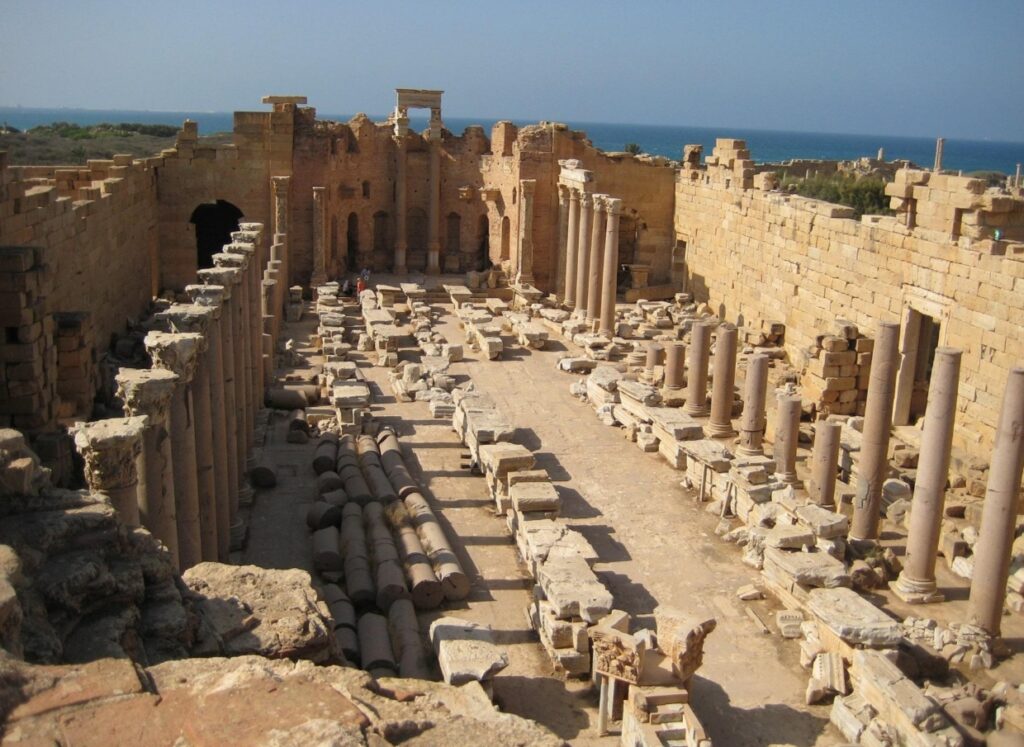
Libya is one of North Africa’s most fascinating destinations for travelers interested in ancient history and archaeology. Along its Mediterranean coast are the remains of some of the most important cities of the ancient Greek and Roman worlds, while deep in the Sahara are prehistoric rock paintings and extraordinary desert landscapes.
Libya has five UNESCO World Heritage properties: the Archaeological Site of Cyrene, Archaeological Site of Leptis Magna, Archaeological Site of Sabratha, Old Town of Ghadamès, and the Rock-Art Sites of Tadrart Acacus.
Together, they reveal a history stretching from prehistoric communities to Greek and Roman civilization and the traditional cultures of the Sahara.
1. Archaeological Site of Leptis Magna
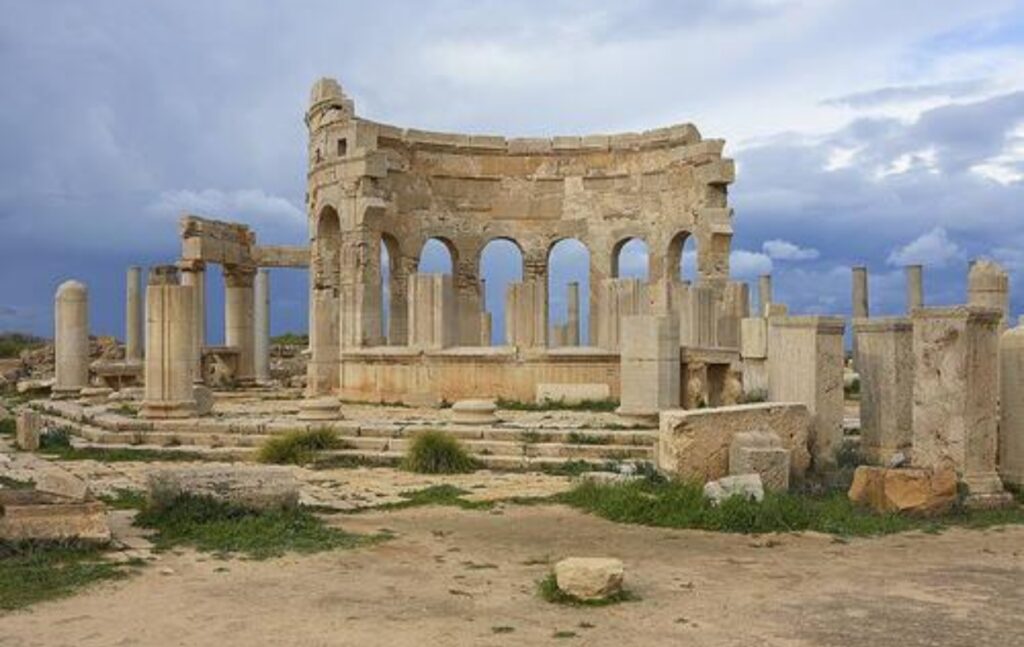
Leptis Magna is one of the most spectacular ancient Roman cities in North Africa.
Located on the Mediterranean coast east of Tripoli, the city expanded dramatically under Roman rule and became particularly prosperous during the reign of Emperor Septimius Severus, who was born in the region.
Its enormous ruins include monumental arches, forums, basilicas, a theatre, baths, and a spectacular seafront.
Highlights
• Arch of Septimius Severus
• Roman Forum
• Basilica of Septimius Severus
• Ancient Theatre
• Hadrianic Baths
• Mediterranean harbour
Why Visit?
Leptis Magna is arguably Libya’s most impressive archaeological site. Its scale and level of preservation make it an extraordinary destination for anyone interested in Roman history.
2. Archaeological Site of Sabratha
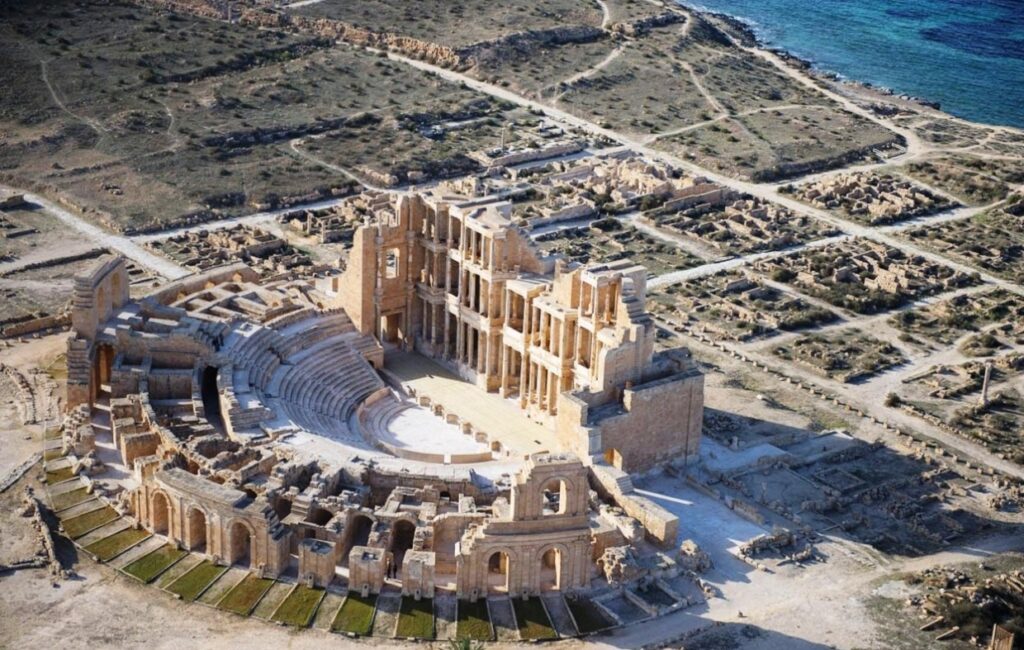
Sabratha was an ancient Mediterranean city that developed from a Phoenician trading settlement into an important Roman city.
Its location beside the Mediterranean adds to the beauty of the archaeological remains.
The site’s most famous monument is its remarkably preserved Roman theatre, with decorated columns and a monumental stage façade.
Highlights
• Roman Theatre
• Temple of Isis
• Capitolium
• Ancient forum
• Roman basilicas
Why Visit?
The theatre is one of the most recognizable ancient monuments in Libya and provides a spectacular example of Roman architecture in North Africa.
3. Archaeological Site of Cyrene
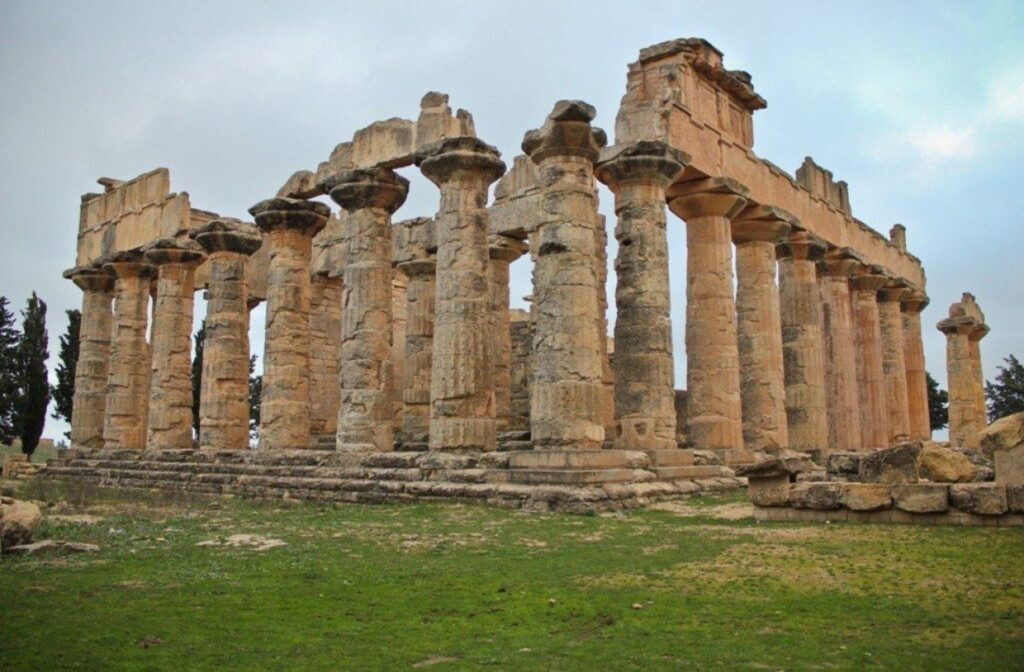
Founded by Greek settlers in the 7th century BC, Cyrene became one of the most important cities of the ancient Greek world in North Africa.
The city later came under Roman rule, creating a fascinating mixture of Greek and Roman monuments.
Located near modern-day Shahhat, Cyrene occupies an elevated landscape overlooking the Mediterranean region.
Highlights
• Temple of Apollo
• Sanctuary of Demeter and Persephone
• Ancient Theatre
• AgoraTemple of Zeus
• Necropolis
Why Visit?
Cyrene is especially important for understanding the Greek influence on North Africa. Its ruins offer a different historical experience from Libya’s Roman coastal cities.
4. Old Town of Ghadamès
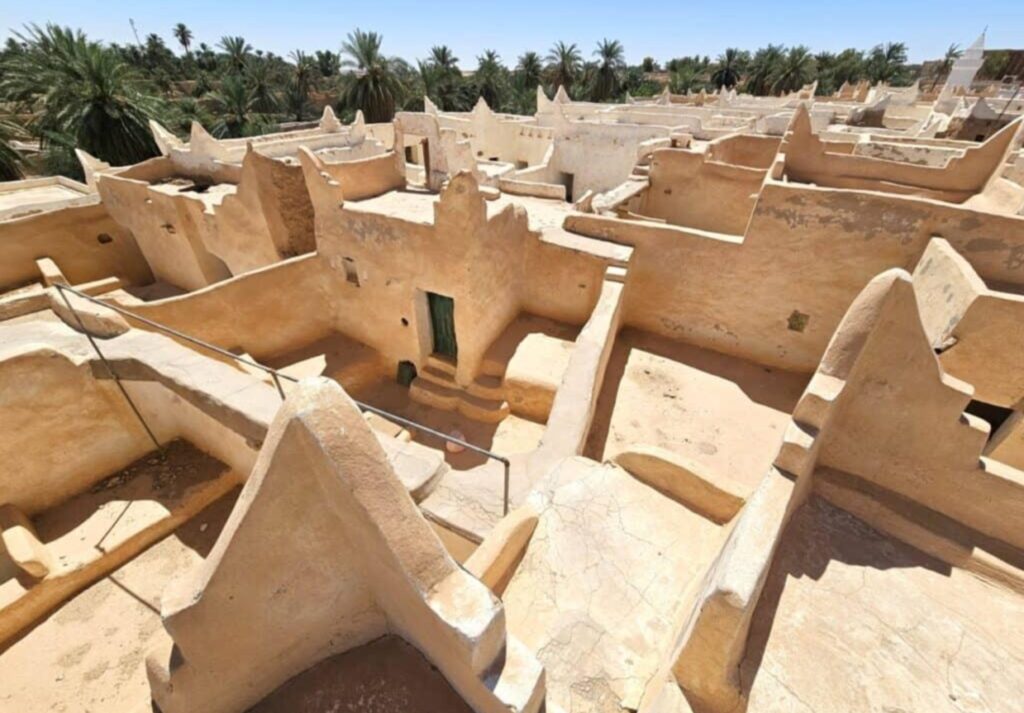
Known as the **”Pearl of the Desert,” Ghadamès is one of Libya’s most distinctive historic towns.
Unlike the monumental ruins of Leptis Magna and Sabratha, Ghadamès represents traditional Saharan architecture and urban life.
The old town was carefully designed to cope with the extreme desert climate. Covered passageways, interconnected houses, and shaded streets helped protect residents from the intense heat.
Highlights
• Traditional houses
• Covered streets
• Historic mosques
• Old town architecture
• Saharan oasis environment
Why Visit?
Ghadamès demonstrates how communities developed ingenious architectural solutions for living in one of the world’s harshest environments.
5. Rock-Art Sites of Tadrart Acacus
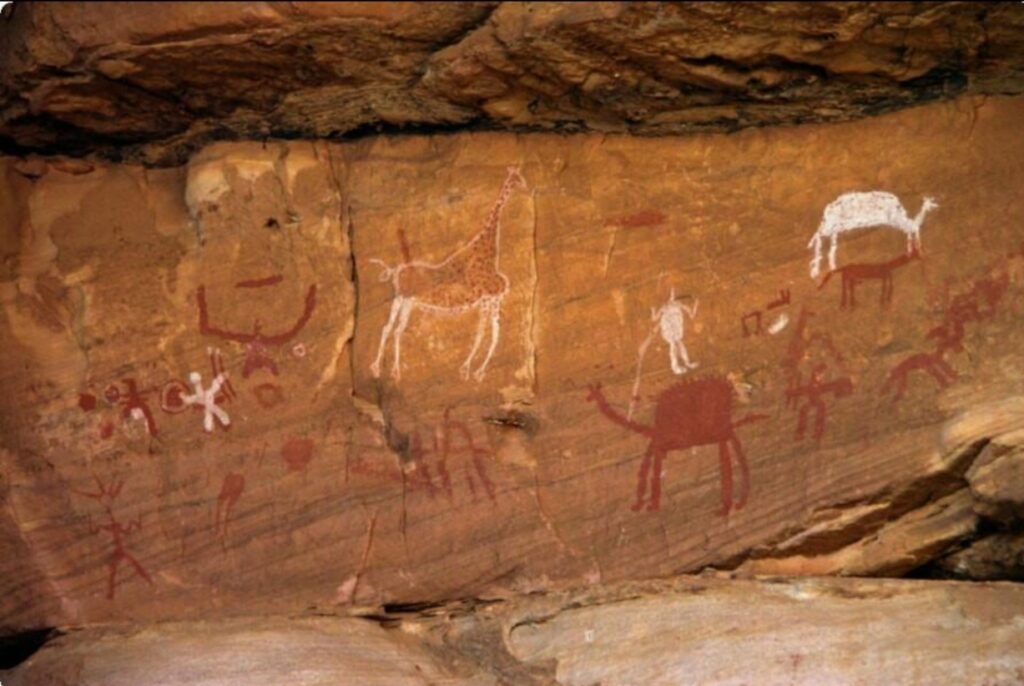
Deep in southwestern Libya, Tadrart Acacus contains thousands of prehistoric paintings and engravings.
The artwork records dramatic changes in the Sahara over thousands of years. Some images depict humans, cattle, wild animals, and scenes from a period when the region had a very different climate.
Highlights
• Prehistoric rock paintings
• Rock engravings
• Sandstone formations
• Desert valleys
• Ancient human settlements
Why Visit?
Tadrart Acacus offers a completely different perspective on Libya’s heritage. Instead of monumental Roman architecture, visitors encounter evidence of human life dating back thousands of years.
Libya’s UNESCO Heritage at a Glance
Libya’s five UNESCO properties represent several very different periods:
• Leptis Magna — Roman civilization
• Sabratha — Phoenician and Roman heritage
• Cyrene — Greek and Roman civilization
• Ghadamès — Traditional Saharan architecture
• Tadrart Acacus — Prehistoric rock art and desert landscapes
This diversity makes Libya particularly interesting for travelers fascinated by archaeology and ancient civilizations.
Best Time to Visit Libya’s UNESCO Sites
For outdoor archaeological and desert exploration, the cooler months are generally more comfortable.
October through April is preferable to the hottest summer months, particularly when visiting desert regions such as Tadrart Acacus.
Coastal sites such as Leptis Magna and Sabratha can also be easier to explore during cooler weather.
Important Travel Considerations
Before planning a trip to Libya, travelers should carefully research:
• Current security conditions
• Entry and visa requirements
• Access to individual archaeological sites
• Local transportation
• Guide requirements
• Site conservation restrictions
Some UNESCO sites have suffered damage and deterioration, and UNESCO has placed several Libyan properties on the List of World Heritage in Danger.
Do not assume that a site being listed by UNESCO means it is currently open to unrestricted tourism.
Frequently Asked Questions
How many UNESCO World Heritage Sites are in Libya?
Libya currently has five UNESCO World Heritage properties.
What is the most famous UNESCO site in Libya?
Leptis Magna is generally the country’s most spectacular archaeological attraction, particularly for its Roman monuments.
Which Libyan UNESCO site is associated with ancient Greece?
Cyrene was founded by Greek settlers and became an important Greek city in North Africa.
Which UNESCO site is in the Sahara?
Both Ghadamès and Tadrart Acacus are associated with Libya’s Saharan heritage, although they represent very different types of heritage.
Is Libya’s UNESCO heritage safe to visit?
Conditions can vary considerably. Travelers should check current official security advice and confirm access arrangements before visiting any UNESCO property.
Conclusion
Libya’s UNESCO World Heritage Sites offer an extraordinary journey through North African history. The monumental ruins of Leptis Magna and Sabratha, the ancient Greek city of Cyrene, the traditional desert architecture of Ghadamès, and the prehistoric rock art of Tadrart Acacus each tell a different story.For travelers interested in archaeology, ancient civilizations, and cultural heritage, Libya possesses an exceptional collection of sites. However, preservation and security remain important considerations, so responsible planning is essential before any visit.
Related Travel Guides
• Tourism in Libya: Discover the hidden gem of North Africa
• Libyan Traditions and Customs: Discover the Rich Culture of Libya
• Top Things to Do in Tripoli, Libya: 20 Must-See Attractions
• Libya Visa Guide: Requirements, Fees, Application Process & Who Needs a Visa