
Introduction
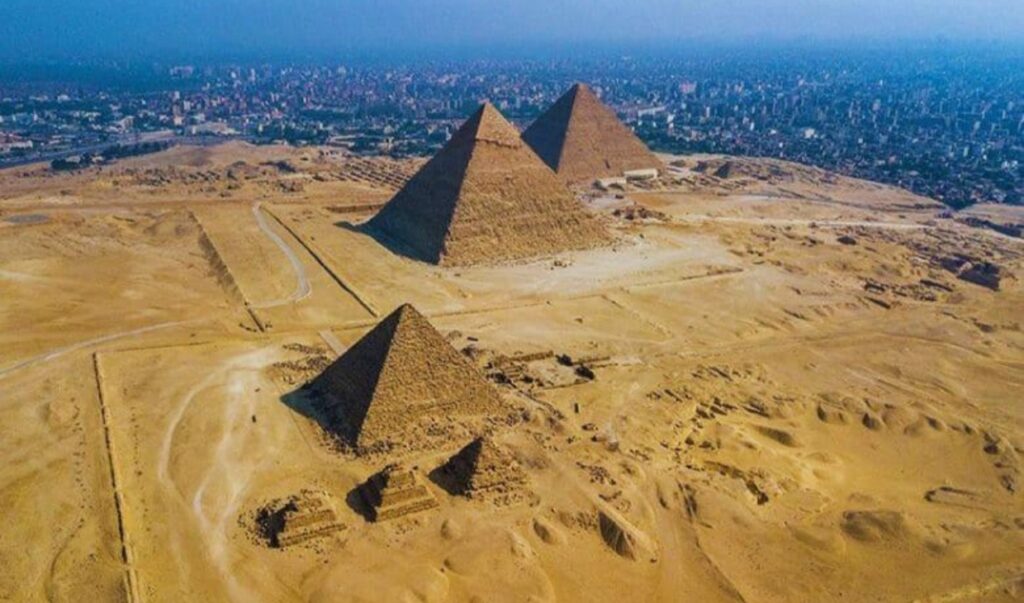
Egypt is one of the world’s most important destinations for history and cultural tourism. Its heritage extends far beyond the famous Pyramids of Giza, covering ancient temples, historic Islamic architecture, early Christian monuments, and an extraordinary fossil landscape in the Western Desert.
According to the UNESCO World Heritage Centre, Egypt currently has seven properties inscribed on the World Heritage List: six cultural sites and one natural site.
These sites offer travelers the opportunity to experience several different chapters of Egypt’s history in one country—from the monuments of ancient pharaohs to medieval Cairo and prehistoric marine fossils.
1. Memphis and Its Necropolis – Pyramid Fields from Giza to Dahshur
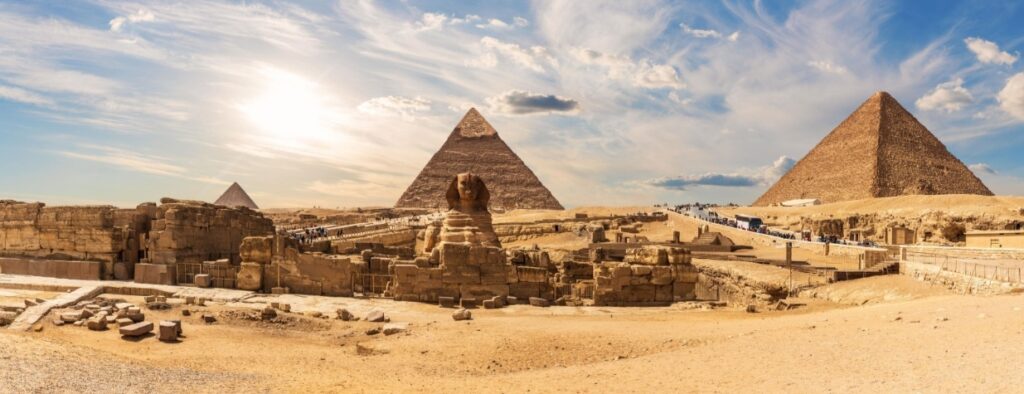
This UNESCO property includes some of the most famous monuments associated with ancient Egypt. It covers the pyramid fields stretching from Giza to Dahshur, including the Great Pyramid of Giza and other major funerary monuments. UNESCO inscribed the property in 1979.
What Can You See?
Great Pyramid of GizaPyramid of KhafrePyramid of MenkaureGreat SphinxSaqqara monumentsBent Pyramid at DahshurRed Pyramid at Dahshur
Why Is It Important?
The site demonstrates the extraordinary architectural and engineering achievements of ancient Egyptian civilization.
For travelers, it is also one of the easiest UNESCO sites to combine with a visit to Cairo because the pyramid fields are located in the greater Cairo area.
2. Ancient Thebes with Its Necropolis
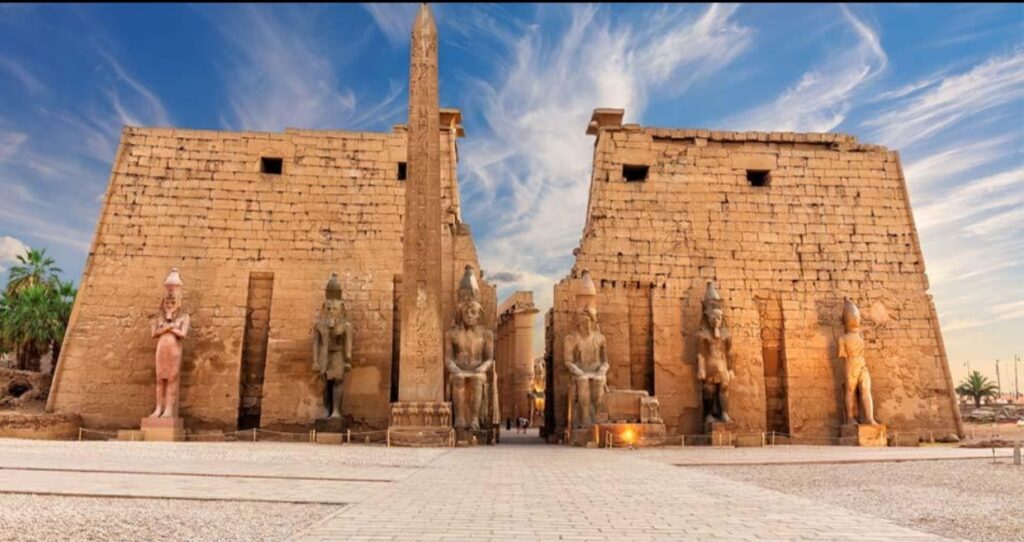
Ancient Thebes, corresponding broadly to modern Luxor and its surrounding archaeological landscape, is another major UNESCO property inscribed in 1979.
The site represents the extraordinary religious and funerary heritage of ancient Egypt.
Main Highlights
Karnak TempleLuxor TempleValley of the KingsValley of the QueensColossi of MemnonMortuary temples on the west bank
Why Visit?
If the pyramids introduce travelers to Egypt’s Old Kingdom, Luxor provides a deeper look at later periods of ancient Egyptian civilization.
A visit to Thebes can easily become one of the highlights of a longer Egypt itinerary.
3. Historic Cairo
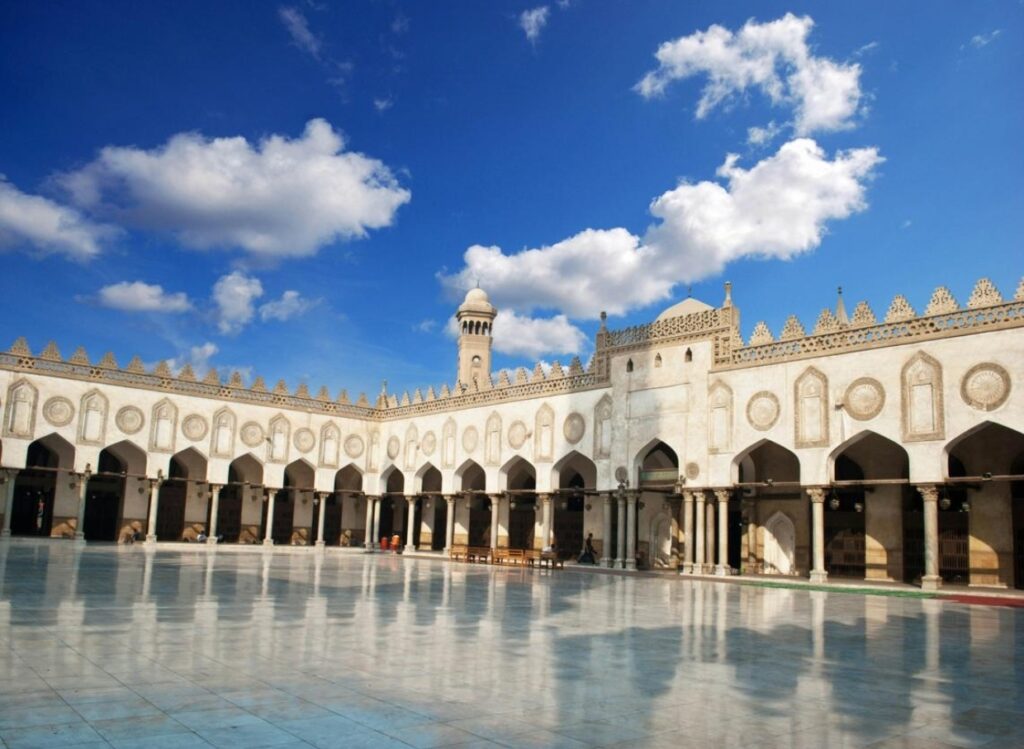
Historic Cairo was added to the UNESCO World Heritage List in 1979. Unlike the pyramid fields and ancient temples, this property represents the historic Islamic city of Cairo.
The area contains an exceptional concentration of historic mosques, madrasas, markets, gates, and traditional urban architecture.
Highlights
Al-Azhar MosqueHistoric mosques and madrasasAl-Muizz StreetKhan el-Khalili areaHistoric city gatesTraditional Islamic architecture
Why Visit?
Historic Cairo is the perfect part of the UNESCO series for travelers who want to understand Egypt beyond the pharaohs.
It shows how Cairo developed into one of the major cultural and intellectual centers of the Islamic world.
4. Nubian Monuments from Abu Simbel to Philae
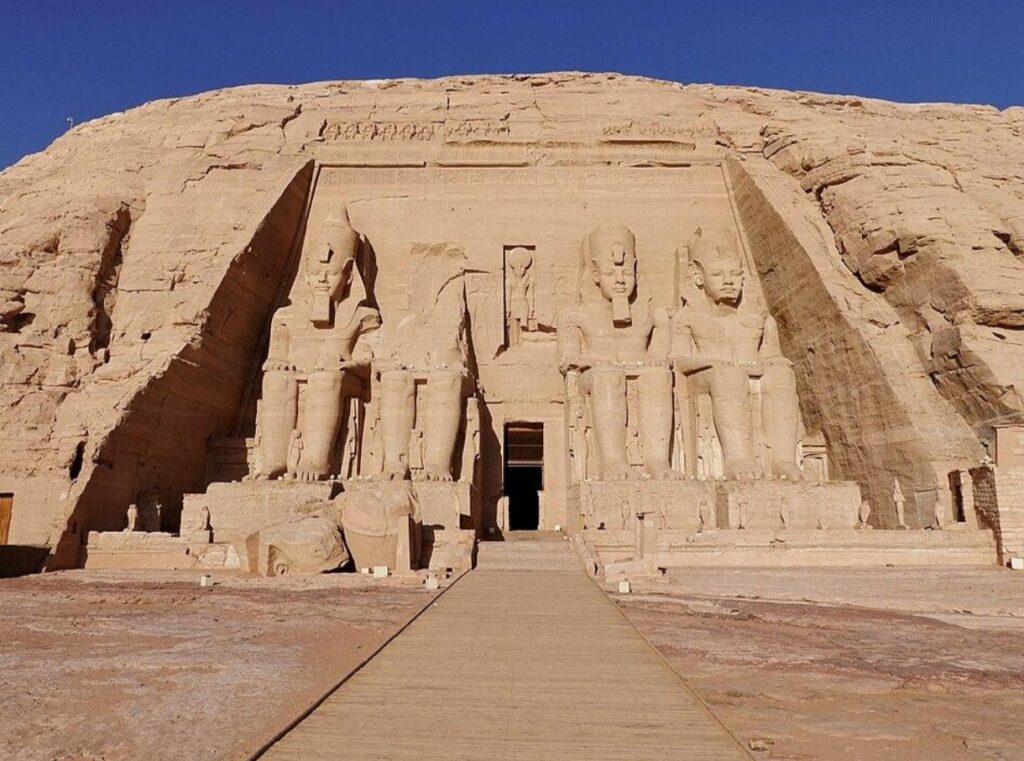
The Nubian Monuments from Abu Simbel to Philae were added to the UNESCO World Heritage List in 1979. They include a remarkable collection of ancient temples and monuments in southern Egypt.
The monuments became internationally famous during the campaign to save them from the rising waters created by the construction of the Aswan High Dam.
Main Highlights
Abu Simbel TemplesTemple of PhilaeTemple of Kom OmboTemple of EdfuTemples and monuments around Aswan
Why Visit?
This UNESCO property is particularly appealing to travelers exploring the Nile Valley and Aswan region. Abu Simbel is especially spectacular because of its enormous rock-cut temples and monumental statues.
5. Abu Mena
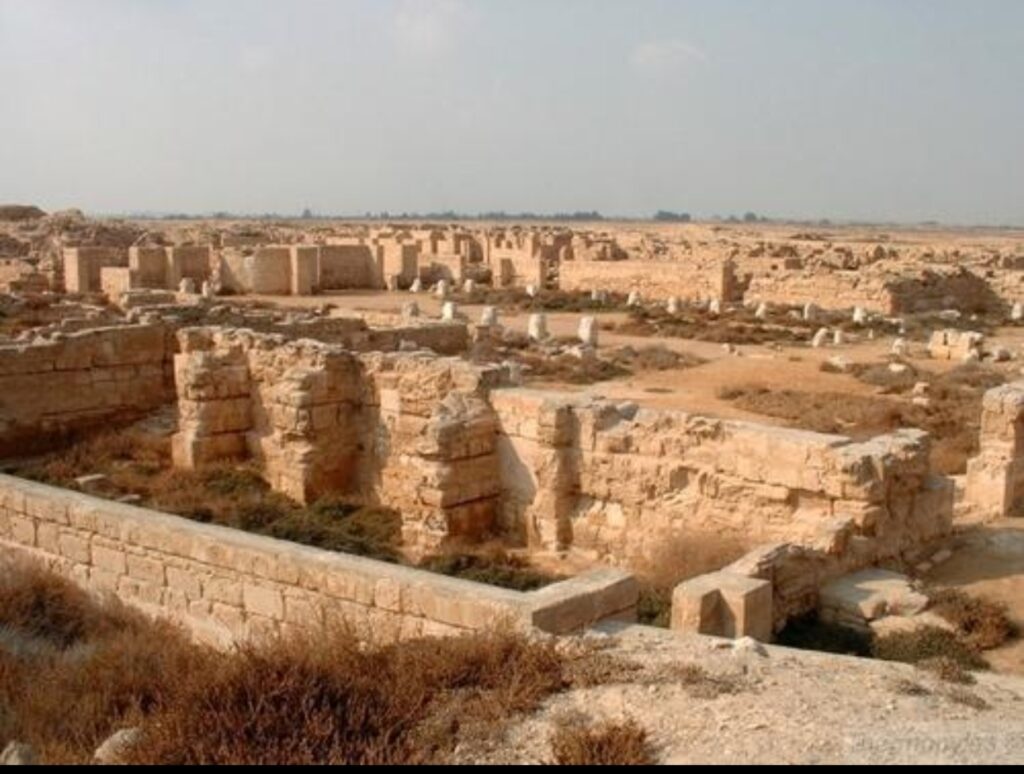
Abu Mena is an ancient Christian pilgrimage center located west of Alexandria. UNESCO inscribed the site in 1979.
The archaeological remains include churches, monasteries, streets, and other structures associated with the pilgrimage complex.
Why Is Abu Mena Important?
Abu Mena demonstrates the importance of Christianity in Egypt during the late ancient and Byzantine periods. It adds an important chapter to Egypt’s heritage beyond the better-known pharaonic monuments.
Travel Tip: Because the site has faced conservation problems, visitors should check current access conditions before planning a visit.
6. Saint Catherine Area
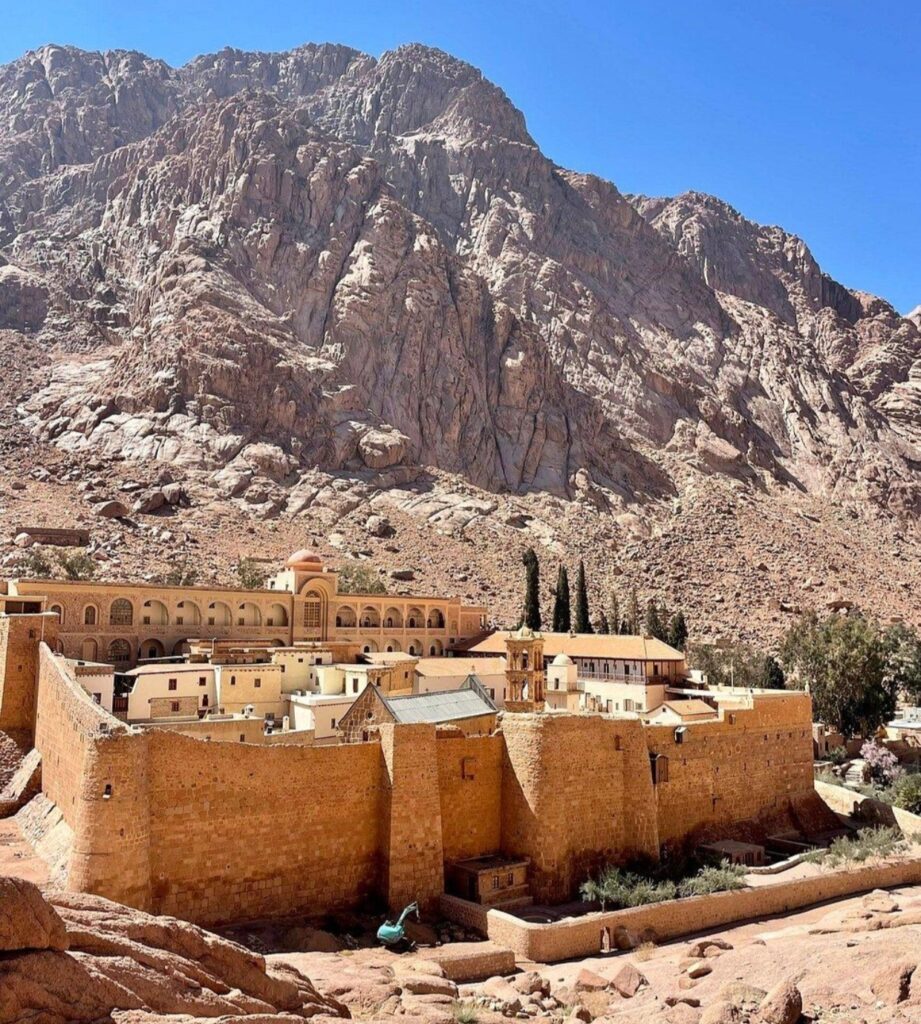
The Saint Catherine Area was inscribed on the UNESCO World Heritage List in 2002. It is located in the southern Sinai region and combines cultural, religious, and natural importance.
The area is centered around Saint Catherine’s Monastery, one of the world’s oldest continuously functioning Christian monasteries.
Main Highlights
• Saint Catherine’s Monastery
• Mount Sinai
• Historic religious buildings
• Desert mountain landscapes
• Ancient manuscripts and religious heritage
Why Visit?
Saint Catherine offers a completely different experience from Cairo and the Nile Valley. The combination of sacred history and dramatic mountain scenery makes it one of Egypt’s most distinctive heritage destinations.
7. Wadi Al-Hitan (Whale Valley)
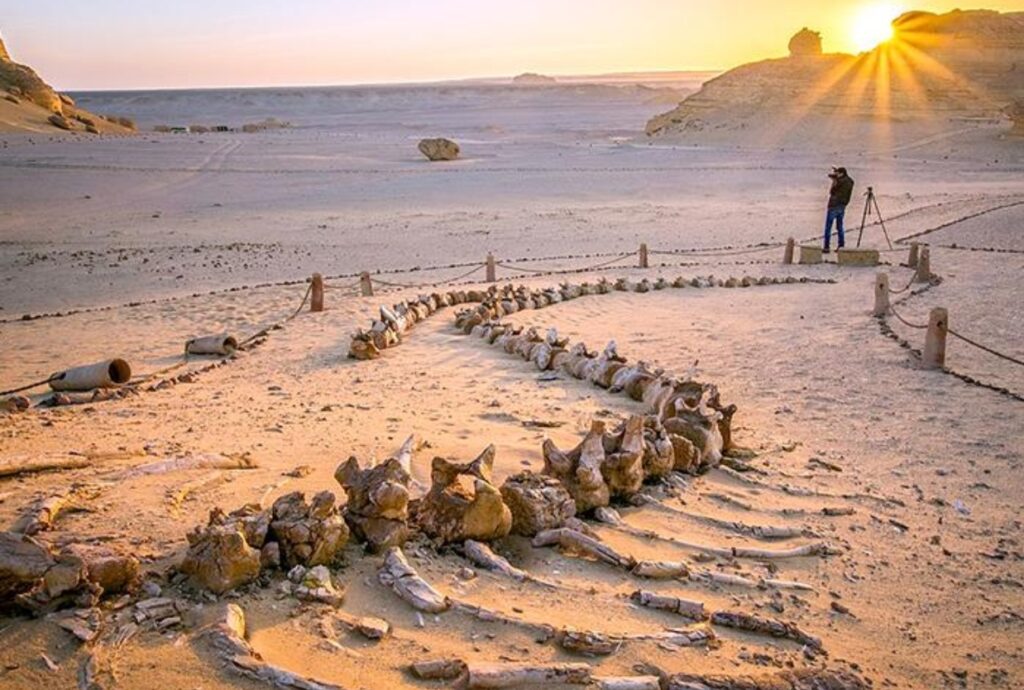
Wadi Al-Hitan, or Whale Valley, is Egypt’s only natural property currently inscribed on the UNESCO World Heritage List. It was added in 2005.
The site contains important fossils showing the evolutionary history of ancient whales and the transition of these animals from land-dwelling mammals to marine creatures.
Why Is It Special?
Unlike Egypt’s archaeological monuments, Wadi Al-Hitan tells a story that is millions of years older than the pharaohs.Visitors can see fossil remains in a desert landscape that was once covered by water.
Best For
• Fossil enthusiasts
• Nature travelers
• Geology lovers
• Travelers looking for unusual destinations in Egypt
Best UNESCO Sites in Egypt for Different Travelers
For first-time visitors:
Pyramids of Giza and Ancient Thebes
For ancient temples:
Nubian Monuments from Abu Simbel to Philae
For Islamic history:
Historic Cairo
For Christian heritage:
Saint Catherine Area and Abu Mena
For prehistoric and natural history:
Wadi Al-Hitan
How Many UNESCO World Heritage Sites Are in Egypt?
Egypt currently has seven UNESCO World Heritage properties: six cultural and one natural.
The seven are:
1. Memphis and its Necropolis – Pyramid Fields from Giza to Dahshur
2. Ancient Thebes with its Necropolis
3. Historic Cairo
4. Nubian Monuments from Abu Simbel to Philae
5. Abu Mena
6. Saint Catherine Area
7. Wadi Al-Hitan
Together, they cover an enormous range of Egyptian history—from prehistoric fossils and ancient civilizations to Islamic and Christian heritage.
Planning a UNESCO Trip Through EgyptYou do not need to visit all seven sites on one trip.
A practical first itinerary could combine:
Cairo → Giza → Luxor → Aswan → Abu Simbel
This route covers three major UNESCO properties and allows travelers to experience Egypt’s most famous ancient monuments.
If you have more time, you can add Historic Cairo, Saint Catherine, or Wadi Al-Hitan depending on your interests and current accessibility.
Important Travel Note
UNESCO inscription does not necessarily mean that every property is easy to access as a tourist. Conditions, conservation work, security requirements, and opening arrangements can change. Always verify current local conditions before traveling to remote or sensitive heritage sites.
Conclusion
Egypt’s UNESCO World Heritage Sites reveal a much broader story than the pyramids alone.
From Giza and the ancient city of Thebes to the temples of Abu Simbel and Philae, the historic streets of Cairo, the Christian heritage of Abu Mena and Saint Catherine, and the prehistoric fossils of Wadi Al-Hitan, Egypt offers an extraordinary range of cultural and natural heritage.
For a first trip, the strongest combination is Giza, Luxor, and Abu Simbel. For returning travelers, the less conventional UNESCO sites can provide a deeper look at Egypt’s Christian, Islamic, and prehistoric heritage.
Related Travel Guides
• Best Time to Visit Egypt: Weather, Crowds & Travel Tips
• Traditions, Customs, and Culture of Egypt
• Traditional Egyptian Food: 10 Authentic Dishes Every Traveler Should Try
• Best Hotels in Egypt: Top Places to Stay for Every Budget
• Egypt Visa Guide: Requirements, Application Process & Travel Tips
Pingback: Cairo vs Luxor: Which Should You Visit First in Egypt?