
Introduction
Egypt is a country with one of the oldest civilizations in the world, where ancient history blends with vibrant modern traditions. Egyptian culture is shaped by family values, hospitality, religious celebrations, delicious cuisine, and a rich artistic heritage. Visitors quickly discover that Egypt is more than pyramids and temples—it is a land of warm people, colorful customs, and unforgettable experiences.
Traditional Egyptian Hospitality
Hospitality is one of the most cherished values in Egyptian society. Guests are welcomed with tea, coffee, or fresh juice, and hosts often prepare generous meals to make visitors feel at home. Refusing food is considered impolite in many situations because sharing meals symbolizes friendship and respect.
Cost: Tea/coffee $0.5 in cafe, $0 FREE at local home. Tip $0.5. Refusing food impolite.
Family Values in Egypt
Family plays a central role in Egyptian life. Several generations often maintain close relationships, and family gatherings are common during weekends, holidays, and special occasions. Respect for parents and elders remains an important part of daily life.
Traditional Egyptian Weddings
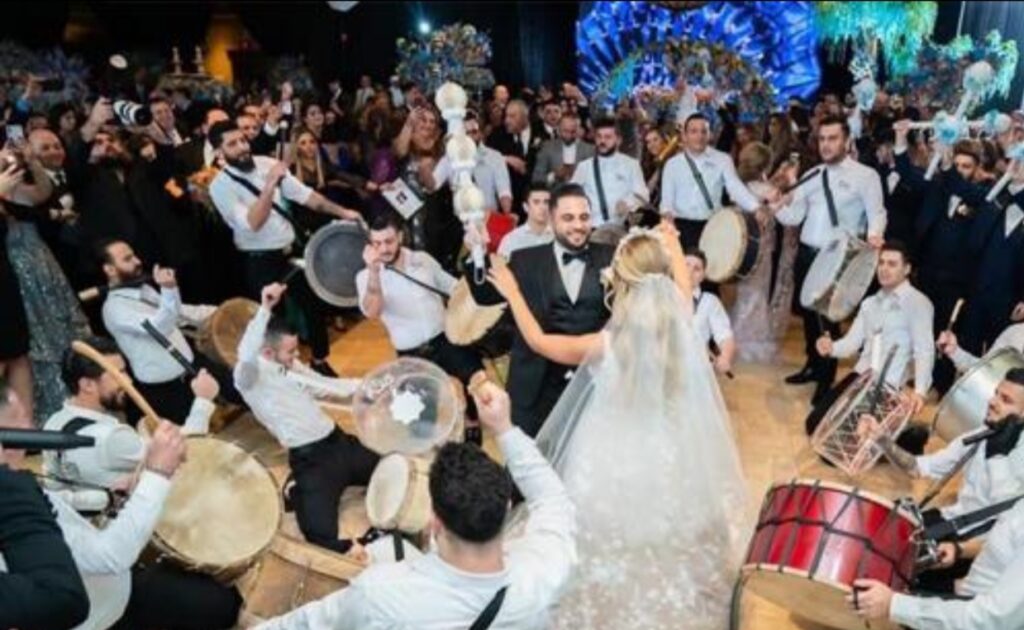
Egyptian weddings are lively celebrations filled with music, dancing, and traditional customs. Families and friends gather to celebrate the couple with festive decorations, delicious food, and joyful entertainment that often lasts late into the evening.
Cost: Watching street zaffa FREE, Wedding hall $500-2000, Guest gift $10-20.
Where: Downtown Cairo weddings every Thursday FREE to watch.
Religious and National Celebrations
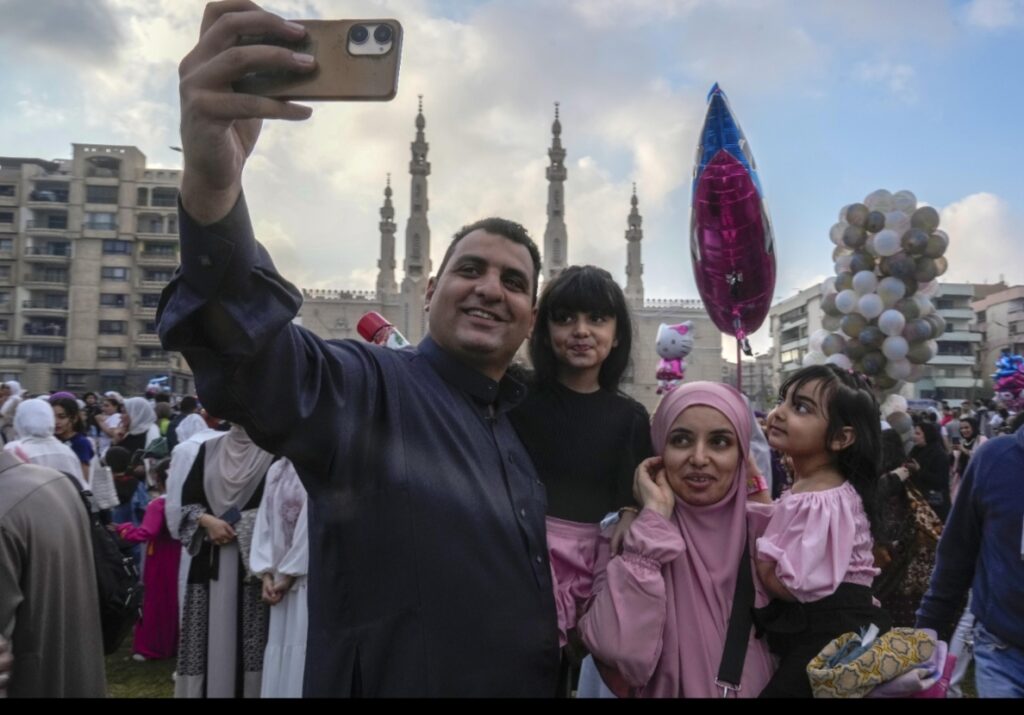
Egypt celebrates many religious and national holidays throughout the year. Major Islamic celebrations include Eid al-Fitr and Eid al-Adha, while Coptic Christmas is celebrated by Egypt’s Christian community. National holidays such as Revolution Day also bring communities together.
Egyptian Cuisine and Food Traditions
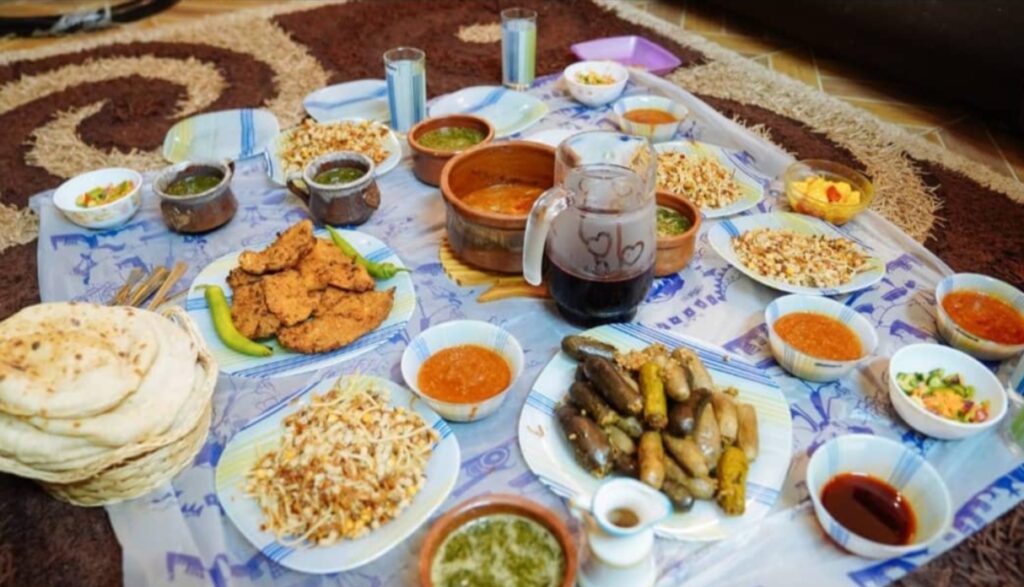
Egyptian cuisine reflects centuries of history and regional influences. Popular dishes include Koshari, Ful Medames, Molokhia, Fattah, and freshly baked bread. Meals are often shared with family and guests, emphasizing togetherness.
Real prices: Koshari $1-1.5 Abou Tarek, Ful $0.5, Molokhia $2, Fattah $3, Fresh juice $0.5-1.
Where cheapest: Local street carts, not tourist restaurants.
Music, Dance, and Arts
Music and dance are deeply rooted in Egyptian culture. Traditional folk performances, classical Arabic music, and modern Egyptian cinema have all played a major role in shaping the cultural identity of the Arab world.
Markets and Daily Life
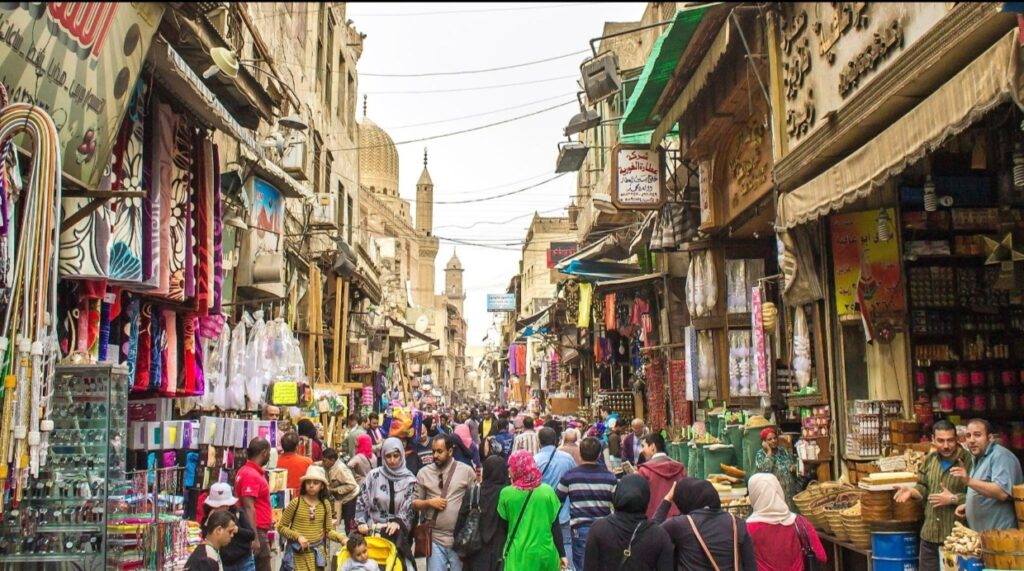
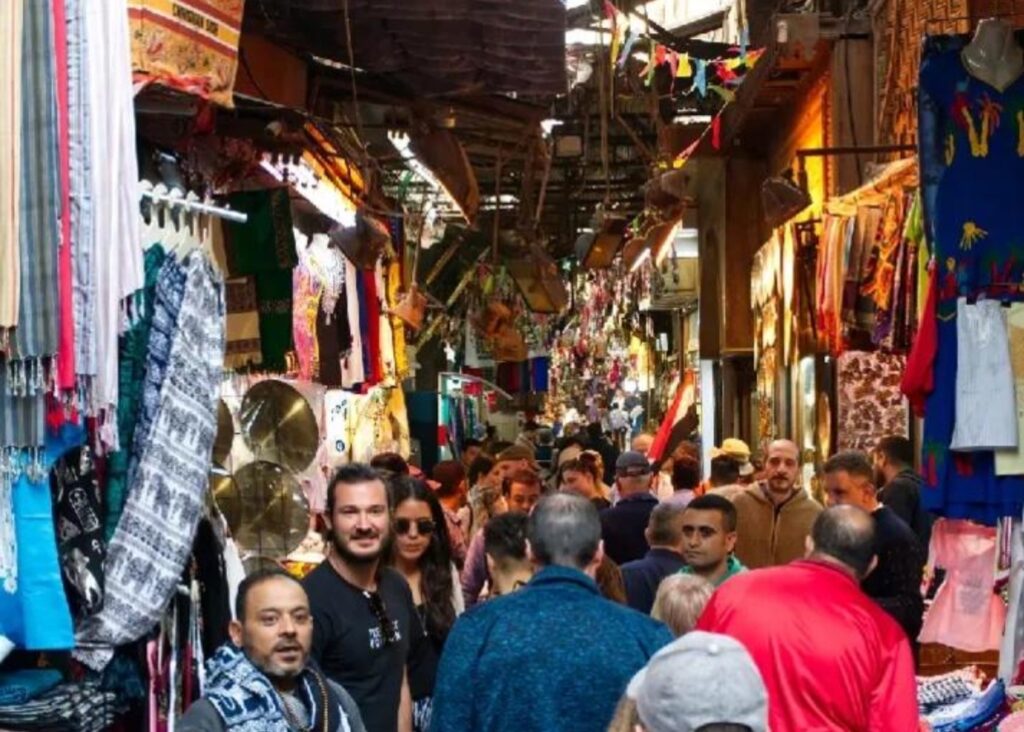
Traditional markets, known as souks, are vibrant places where visitors can experience local life. From handcrafted souvenirs and spices to textiles and jewelry, Egyptian markets offer an authentic cultural experience.
Souks: Papyrus $5-10 real vs $30 first price, Spices $2-3, Galabeya $10-15. Bargain 50% off first price.
Why Egyptian Culture is Unique
Egyptian culture combines thousands of years of history with modern traditions. From legendary monuments and warm hospitality to colorful festivals and delicious cuisine, Egypt offers visitors an unforgettable cultural journey.
Frequently Asked Questions
What are the most important traditions in Egypt?
Hospitality, family unity, religious celebrations, and respect for elders are among Egypt’s most valued traditions.
What is the traditional clothing in Egypt?
The galabeya is one of the best-known traditional garments, especially in rural areas and during cultural celebrations.
What food is Egypt famous for?
Egypt is famous for Koshari, Ful Medames, Molokhia, Fattah, and many traditional desserts.
When is the besttime to experience Egyptian culture?
Visiting during religious festivals, national holidays, or local cultural events offers the richest cultural experience.
Conclusion
Egypt is a fascinating destination where ancient civilization meets living traditions. Whether exploring historic cities, tasting authentic cuisine, or enjoying the warmth of Egyptian hospitality, every visitor discovers a culture that is both timeless and welcoming.