
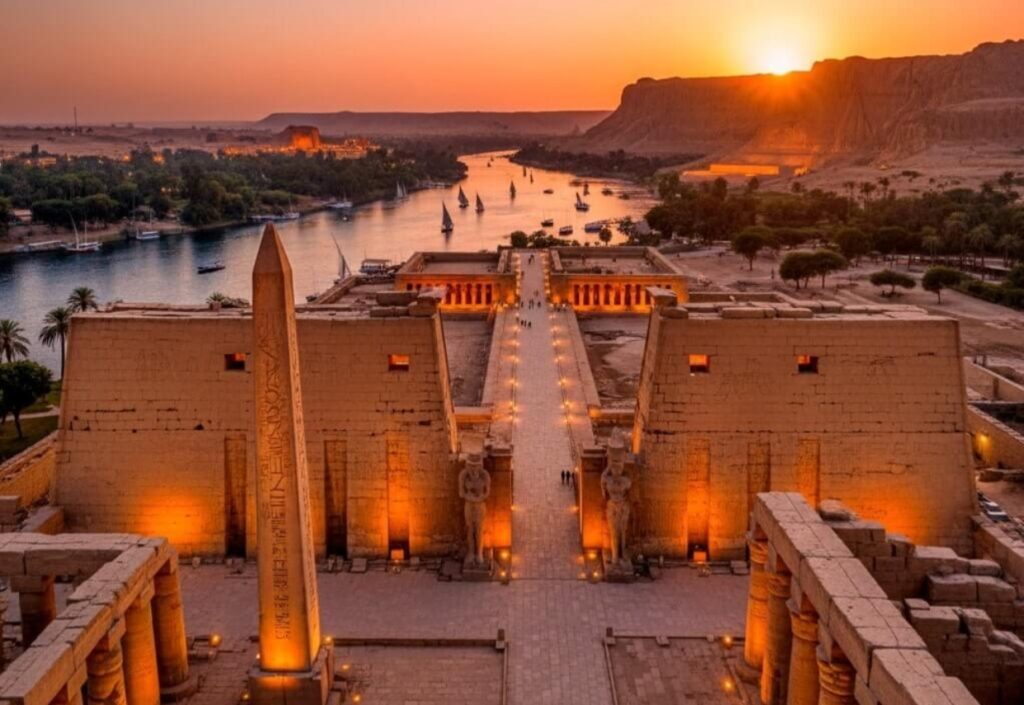
Planning a trip to Egypt and wondering when to go?
The best time to visit Egypt depends on what you want to do. If your main goal is exploring the pyramids, temples, and ancient sites, the cooler months are generally the most comfortable. If you want to enjoy the Red Sea, diving, or a beach holiday, Egypt can work well at different times of the year.
For most travelers, October through April offers the most comfortable conditions for sightseeing, while March, April, October, and November can provide a particularly good balance between pleasant weather and fewer crowds.
Egypt is a year-round destination, but temperatures vary considerably between Cairo, the Nile Valley, the southern desert, and the Red Sea coast.
Quick Answer: When Is the Best Time to Visit Egypt?
Best overall: October to April
Best for sightseeing: October to February
Best for fewer crowds: March, April, late September and October
Best for beaches and diving: Year-round, with summer particularly attractive to serious divers
Best for comfortable Nile cruises: October to April
Hottest period: June to August
Best time for a first trip: October, November, March or April
There is no single perfect month for everyone. Your ideal time depends on whether you are coming for ancient monuments, the Red Sea, desert adventures, or a combination of everything.
Egypt Travel Seasons at a Glance
Winter — November to FebruaryThe weather is generally mild and comfortable for sightseeing. This is a popular season, so tourist attractions can be busy.
Spring — March to May March and April are usually good months for sightseeing. May becomes warmer, especially in southern Egypt.
Summer — June to August Temperatures gradually become more comfortable. October is a good month for combining sightseeing with a relatively pleasant climate.
Best overall period:October to April Best months for comfortable sightseeing: October, November, March and April
Egypt’s official tourism information describes winter as generally mild and summer as hot and dry, with regional differences across the country.
October to April: The Best Season for Sightseeing
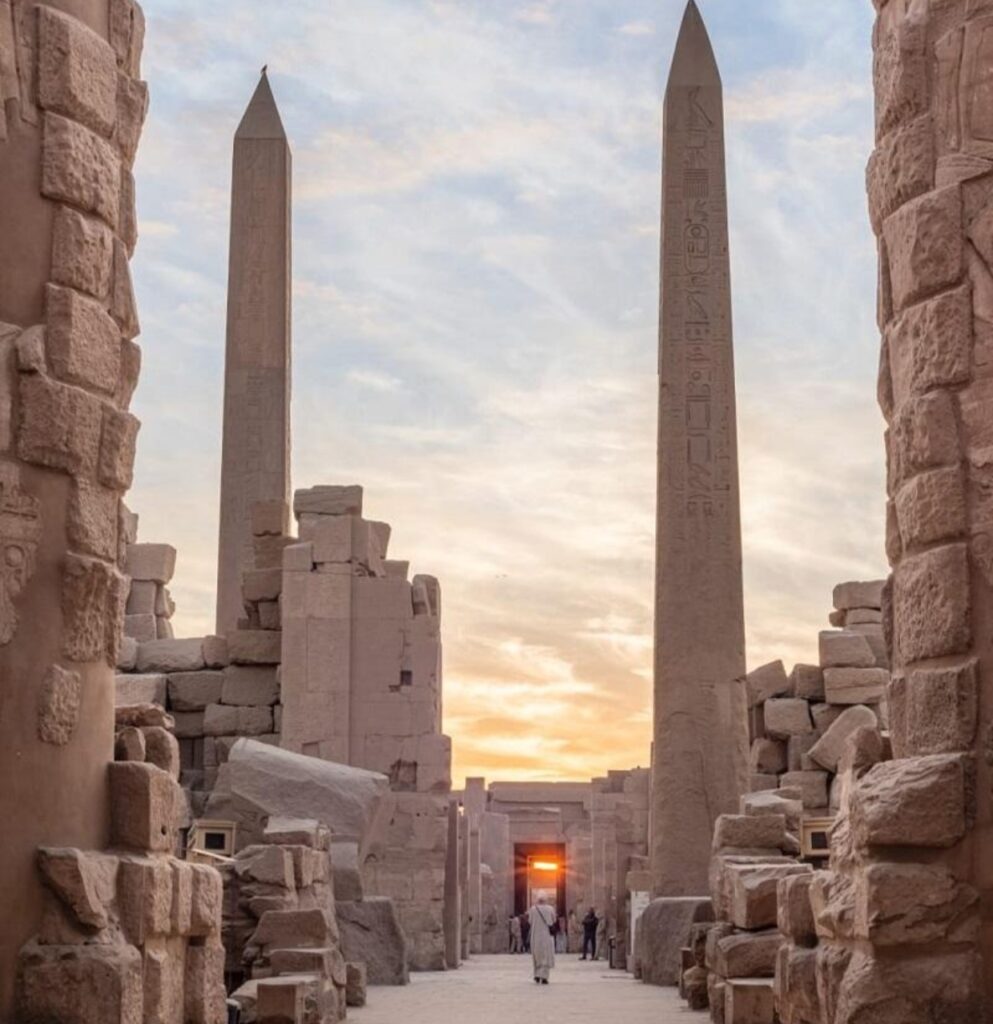
For travelers visiting Egypt for the first time, October through April is generally the easiest period for exploring archaeological sites.
During these months, daytime conditions are usually more comfortable than in the peak summer heat. This matters if you plan to spend several hours walking around the Pyramids of Giza, Karnak Temple, Luxor Temple, Valley of the Kings, or other outdoor attractions.
Winter is also a popular period for visitors escaping colder weather elsewhere, so comfortable temperatures can come with more tourists and higher accommodation prices, particularly around Christmas and New Year.
Why visit during this season?
• More comfortable conditions for sightseeing
• Excellent period for Luxor and Aswan
• Good conditions for Nile cruises
• Pleasant weather for walking around Cairo
• Popular season for desert and Sinai excursions
Best for: first-time visitors, history lovers, families, Nile cruises and sightseeing.
March and April: A Great Shoulder Season
If you want a compromise between weather and crowds, March and April are worth considering.
Lonely Planet identifies March and April among the better months for avoiding the heaviest crowds, while noting that late March or April can offer pleasant conditions for exploring Luxor and Aswan.
April can be particularly attractive for travelers who want to spend long days outdoors without the extreme heat of summer.
However, spring weather can vary, and dust or sandstorms are possible, particularly around Cairo in early spring.
Why choose March or April?
• Comfortable sightseeing conditions
• Potentially lighter crowds than the winter peak
• Good conditions for Nile Valley destinations
• Suitable for combining Cairo, Luxor and Aswan
• Good time for photography
Best for: travelers who want a balance between weather, sightseeing and crowds.
May: Warmer but Still Possible
May marks the transition toward the hotter part of the year.
The further south you travel, the more noticeable the heat becomes. Luxor and Aswan can become very warm, particularly later in the month.
If you travel in May, plan outdoor activities for the early morning or late afternoon, especially when visiting large archaeological sites.
May can still work well for travelers who prefer warmer weather and want to avoid the busiest winter period.
Best for: experienced travelers, flexible itineraries and travelers comfortable with heat.
June to August: The Hottest Time to Visit Egypt
Summer is the most challenging season for traditional sightseeing.
Temperatures can become extremely high, especially in southern Egypt. Recent travel guidance notes average summer highs around 42°C (108°F) in some areas, making long periods outdoors difficult.
That does not mean you cannot visit Egypt during summer.
It simply means you should plan differently.
For example, visit outdoor attractions as early as possible in the morning, take breaks during the hottest part of the day, and choose air-conditioned museums or indoor activities later.
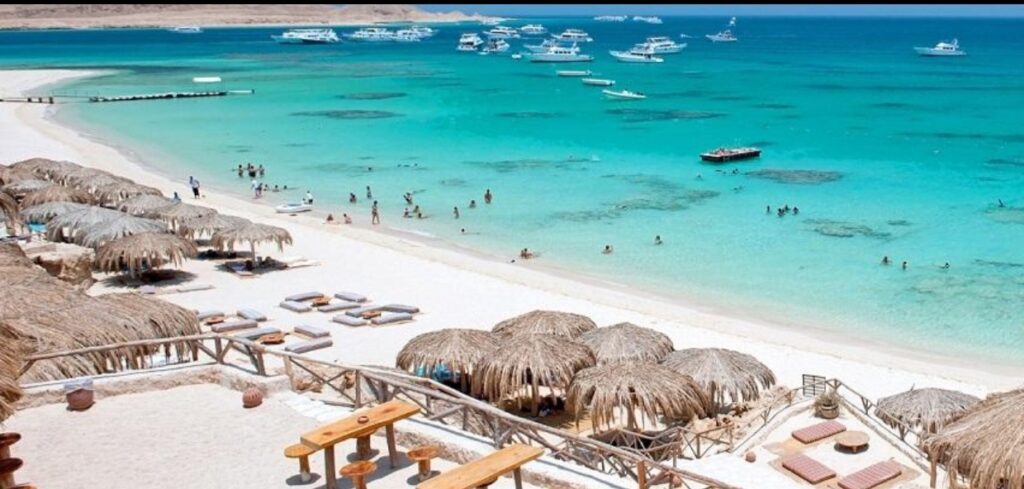
Summer can actually be good for the Red Sea
If your main reason for visiting Egypt is diving or a beach holiday, summer becomes much more attractive.
The Red Sea remains an important year-round destination, and summer can offer favorable conditions for divers around Sharm El Sheikh and other Red Sea locations.
Best for: diving, snorkeling, resorts and travelers who tolerate extreme heat.
Less suitable for: long days exploring temples and desert sites.
September and October: The Heat Starts to Ease
September can still be very hot, particularly in southern Egypt.
However, conditions gradually become more manageable as autumn approaches.
Lonely Planet lists September among the shoulder-season months that can offer a useful combination of fewer crowds and reasonable sightseeing conditions, while recommending late September or October for travelers who are sensitive to heat.
October is one of my favorite choices for a first trip to Egypt because it sits between the extreme summer heat and the busiest winter period.
Best for: first-time visitors, sightseeing and travelers looking for a shoulder-season trip.
November and December: Excellent for Ancient Egypt
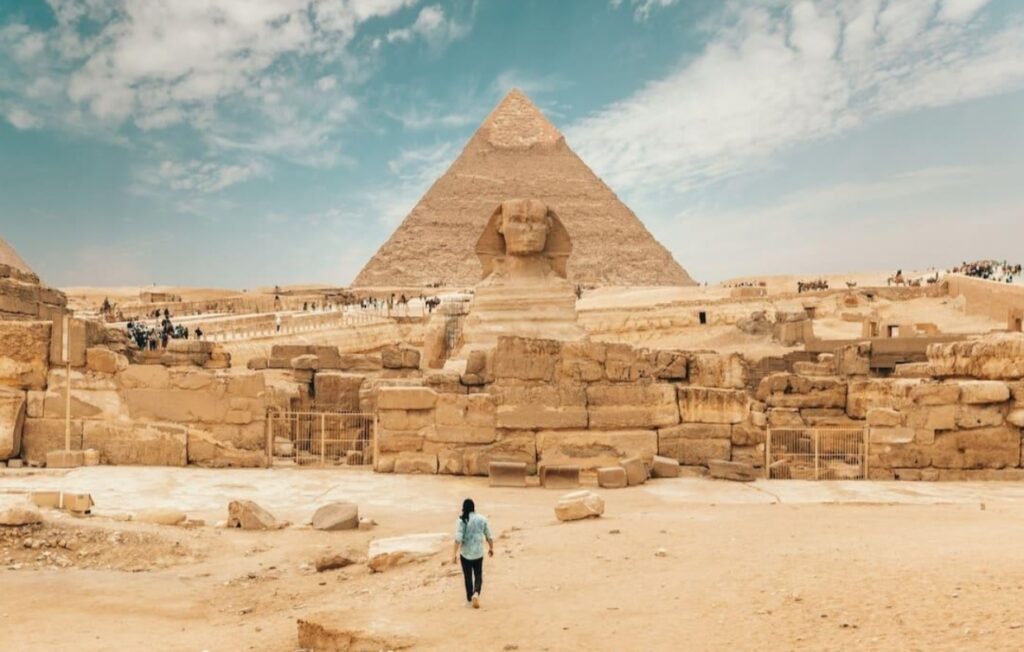
November is one of the strongest months for travelers interested in Egypt’s ancient sites.
The weather is much more comfortable than summer, making it easier to spend several hours exploring Cairo, Luxor and other historical destinations.
December is also excellent for sightseeing, although demand increases as the winter travel season gets underway.
Cairo can become especially busy around Christmas and New Year, and accommodation prices can rise during the winter peak.
Best for: ancient temples, pyramids, Nile cruises and outdoor sightseeing.
January and February: Cool, Comfortable and Popular
January and February are among the most popular months for exploring Egypt’s historical attractions.
The cooler conditions make long sightseeing days considerably easier than during summer.
The downside is that popular attractions can be busy, particularly during peak holiday periods.
Evenings can also feel surprisingly cool, especially in Cairo and desert areas, so travelers should pack a light jacket or sweater.
Egypt’s tourism authority recommends a light-to-medium jacket or windbreaker for fall and winter travel.
What Is the Best Month to Visit Egypt?
If you want a simple answer, these are the months I would consider first:
🥇 October
A strong all-around choice for sightseeing, with temperatures becoming more manageable after summer.
🥈 November
Excellent for Cairo, Luxor, Aswan and Nile cruises.
🥉 March
A good shoulder-season option with more comfortable conditions than summer.
April
Another excellent choice, especially for travelers looking for fewer crowds and comfortable sightseeing.
December–February
Very good weather for outdoor sightseeing, but generally more popular and potentially more expensive.
Best Time to Visit Cairo
For Cairo, October through April is generally the most comfortable period for walking around the city and visiting outdoor attractions.
April and May can also be pleasant, while June through September can be extremely hot.
If visiting during summer, start your sightseeing early. The Pyramids of Giza, for example, are much easier to explore in the morning than during the hottest part of the day.
Lonely Planet’s recent Cairo guide also highlights April and May as attractive months, while describing October through December as the coolest period but also a busy tourist season.
Best Time to Visit Luxor and Aswan
If your trip is focused on Luxor and Aswan, cooler months are particularly valuable.
These destinations are packed with outdoor archaeological attractions, and much of the experience involves walking between temples, tombs and monuments.
October through April is therefore a strong period for a Nile Valley itinerary.
April can also offer a useful balance between comfortable temperatures and fewer visitors.
Best Time to Visit the Red Sea

The Red Sea is different from Cairo and the Nile Valley.
Destinations such as Sharm El Sheikh, Hurghada and Marsa Alam can be visited throughout the year.
Summer is particularly popular with serious divers because of the warm water and favorable underwater conditions, while winter is attractive to travelers looking for sunshine during the colder months in Europe.
Is Summer a Bad Time to Visit Egypt?
Not necessarily.
Summer is a poor choice if you want to spend all day walking through archaeological sites in the southern part of the country.
But it can be a good choice if your trip focuses on:
• Red Sea resorts
• Diving
• Snorkeling
• Swimming
• Relaxing by the sea
• Indoor attractions
• Evening activities
If you visit during summer, avoid the strongest midday heat and organize outdoor sightseeing around the cooler hours.
Is Winter Expensive in Egypt?
Winter is generally the high-demand tourist season, particularly around Christmas and New Year.
That does not mean every hotel or destination will be expensive, but travelers should expect more competition for popular accommodation and tours.
If keeping costs down is important, shoulder-season travel can be worth considering.
March, April, late September and October can offer a useful compromise between weather and demand.
What Should You Pack for Egypt?
Your packing list should change depending on the season.
For summer
• Lightweight clothing
• Comfortable walking shoes
• Sunglasses
• Sunscreen
• Hat
• Reusable water bottle
• Light clothing that covers the shoulders and knees when appropriate
For winter
• Lightweight layers
• Comfortable walking shoes
• Light jacket or windbreaker
• Sunglasses
• Sunscreen
The official Egyptian tourism authority also recommends comfortable shoes for archaeological sites and modest clothing when visiting religious sites.
What About Ramadan?
Ramadan moves through the calendar because it follows the Islamic lunar calendar.
If your trip falls during Ramadan, opening hours and daily routines can change. Some restaurants and businesses may operate on different schedules, particularly during daylight hours.
Traveling during Ramadan is possible, but visitors should be respectful of people who are fasting.
Always check the specific Ramadan dates for the year of your trip before booking.
So, When Should You Visit Egypt?
For most first-time visitors, I would choose October, November, March or April.
These months provide a strong balance between sightseeing conditions and tourist demand.
If your priority is ancient Egypt and Nile Valley attractions, choose the cooler season.
If your priority is diving and the Red Sea, you have much more flexibility.
And if you want to save money and avoid the busiest periods, consider the shoulder seasons rather than automatically choosing the winter peak.
Egypt is a year-round destination—but choosing the right month can make a huge difference to your experience.
Frequently Asked Questions
What is the best month to visit Egypt?
October, November, March and April are among the best choices for a balanced Egypt trip, particularly if you want to combine Cairo, Luxor and other historical destinations.
What are the hottest months in Egypt?
June, July and August are generally the hottest part of the year, with particularly intense heat in southern Egypt.
Is Egypt good to visit in December?
Yes. December offers comfortable conditions for sightseeing, although it is part of the popular winter travel season and prices can increase around Christmas and New Year.
Can I visit Egypt in July?
Yes, but prepare for very high temperatures. July is better suited to travelers focusing on the Red Sea, diving and resorts than those planning long outdoor sightseeing days in Luxor or the desert.
Is Egypt worth visiting in summer?
Yes, especially for a Red Sea holiday. For extensive sightseeing, however, the cooler months are generally more comfortable.
How many days do I need in Egypt?
For a first trip, 7–10 days gives you enough time to combine major highlights such as Cairo and the Nile Valley, although longer trips allow you to add the Red Sea or other destinations without rushing.
Conclusion
Best overall time: October to April
Best shoulder season: March, April, late September and October
Best for ancient sites: October to February
Best for Nile cruises: October to April
Best for Red Sea diving: Year-round, with summer especially attractive to divers
Best for avoiding extreme heat: November to April
Egypt’s climate varies considerably by region, so don’t choose your travel dates based on Cairo alone. A month that works beautifully for a Red Sea holiday may be much less comfortable for a long day exploring Luxor’s temples.
Related Travel Guides
• Best Beaches in Egypt: Top Coastal Destinations
• UNESCO World Heritage Sites in Egypt: Complete Travel Guide
• Traditions, Customs, and Culture of Egypt 🇪🇬
• Sharm El Sheikh Travel Guide: Best Things to Do in Egypt’s Red Sea Paradise 🇪🇬