
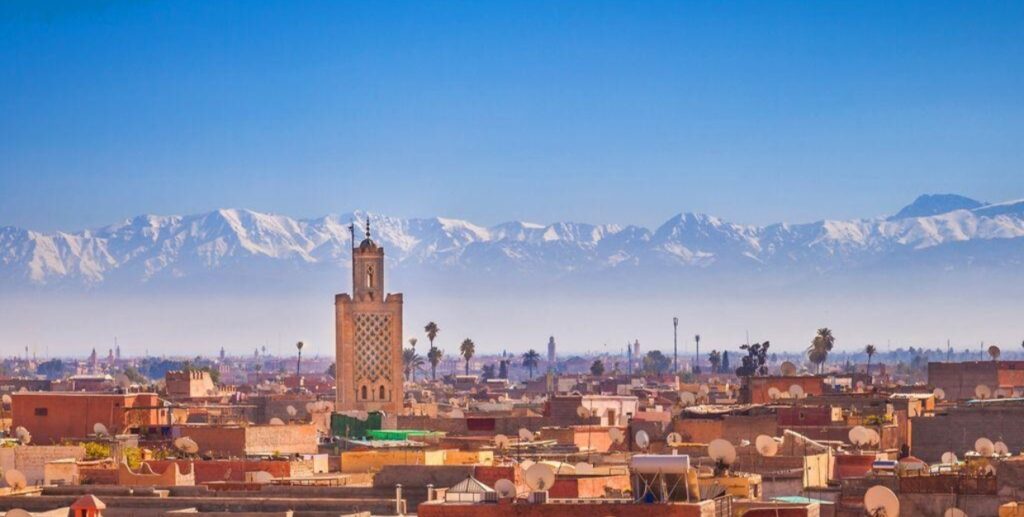
Morocco is a year-round destination, but the best time to visit depends on where you want to go and what you plan to do. The country has Atlantic and Mediterranean coastlines, the Rif and Atlas Mountains, historic cities, and desert landscapes, so weather conditions can vary significantly from one region to another.
For most travelers, spring and autumn are the best seasons for exploring Morocco, especially if you want to combine cities, mountains, and desert areas. Summer can be very hot inland, while winter offers good opportunities for city breaks, coastal trips, surfing, and mountain activities.
Quick Answer: When Is the Best Time to Visit Morocco?
The best time to visit Morocco is generally from March to May and September to November.
These months are particularly suitable for sightseeing in cities such as Marrakech and for outdoor activities in many parts of the country. The High Atlas is also especially attractive for hiking during parts of spring and autumn.
If your main goal is a Sahara Desert trip, spring and autumn are the seasons recommended by Morocco’s National Tourist Office.
If you want a coastal vacation, Morocco can be visited throughout much of the year because the Atlantic and Mediterranean coasts generally have milder conditions than the country’s inland areas.
Morocco Weather by Season
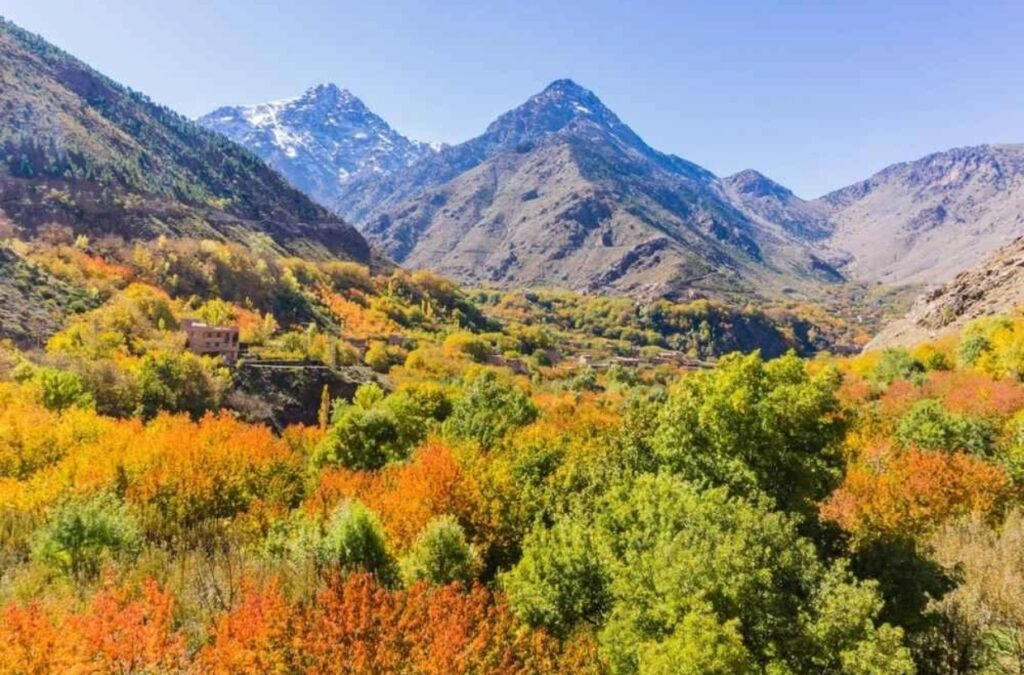
Morocco does not have one uniform climate. Coastal areas, inland cities, mountains, and the south can experience very different conditions during the same month.
Spring in Morocco: March to May
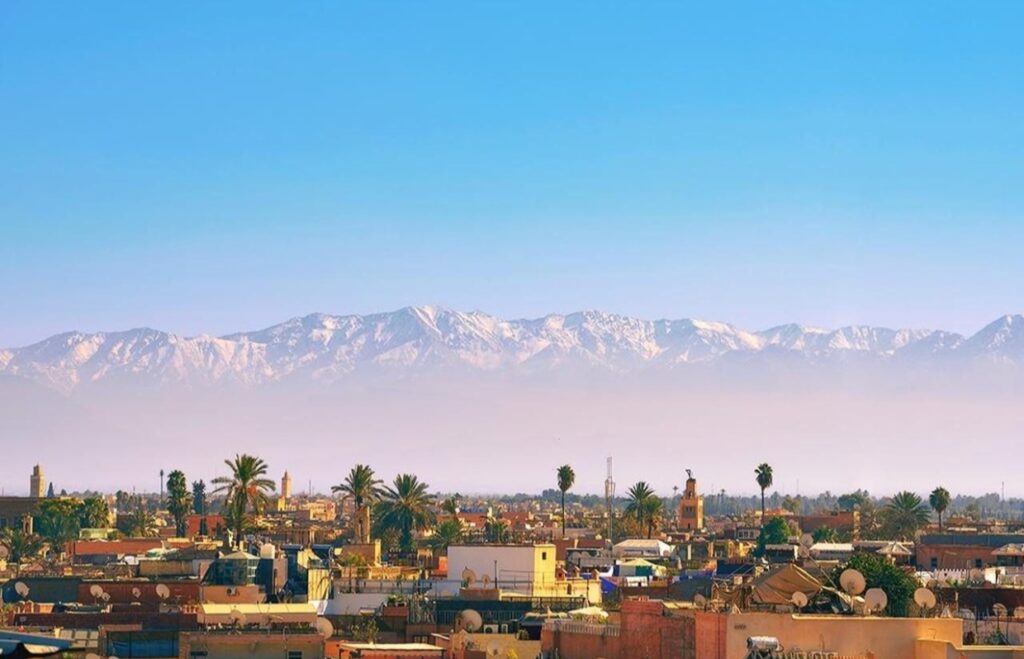
Spring is one of the most comfortable seasons for traveling around Morocco.
The weather is generally pleasant for sightseeing and outdoor activities, while landscapes in some areas become greener and mountain scenery can be especially attractive.
and the Atlas Mountains can offer good hiking conditions as the season progresses. Lonely Planet identifies March to May as one of the best periods for visiting Marrakech and hiking in Morocco.
Spring is also a good option if you want to combine several different regions in one trip.
Spring is ideal for:
• Exploring Marrakech
• Visiting Fes and other historic cities
• Hiking in the Atlas Mountains
• Exploring the countryside
• Visiting the Sahara
• Combining cities and outdoor activities
Summer in Morocco: June to August
Summer is the hottest season in Morocco, particularly in inland and southern areas.
Temperatures can become very high in inland cities during July and August, while the Atlantic coast benefits from cooler maritime influences. Lonely Planet notes that inland temperatures can rise above 38°C during the hottest part of summer, while Atlantic coastal areas are considerably cooler.
The Moroccan National Tourist Office also notes that sea breezes moderate summer temperatures along the coast.
For travelers who do not tolerate high heat well, summer is generally not the easiest time for extensive sightseeing in inland Morocco.
However, summer can be a good choice if you focus on coastal destinations or mountain areas.
Good summer options include:
• Essaouira
• Agadir
• Taghazout
• Rabat
• Atlantic coastal areas
• Higher mountain areas
Summer is also an important season for cultural events and festivals across Morocco.
Autumn in Morocco: September to November
Autumn is one of the best seasons for traveling around Morocco.
Temperatures become more comfortable in inland areas as summer ends, making it easier to explore cities and spend time outdoors.
September can still be warm, while October and November generally bring cooler conditions.
Lonely Planet highlights September as a particularly attractive month for comfortable weather and fewer visitors after the August holiday period.
Autumn is also a recommended season for visiting Morocco’s desert regions.
Autumn is ideal for:
• Marrakech
• Fes
• Chefchaouen
• Sahara Desert trips
• Atlas Mountain activities
• Coastal cities
• Cultural sightseeing
For travelers who want a broad Morocco itinerary, September and October are particularly strong choices.
Winter in Morocco: December to February
Winter can be an excellent time to visit Morocco, but conditions vary considerably by region.
Coastal areas generally have milder conditions, while mountain regions can become cold and snowy. Inland cities can also have chilly mornings and evenings.
Winter is a particularly interesting season for travelers who want to experience Morocco’s cities without the intense heat of summer.I
t is also an important season for surfing. The Atlantic coast receives larger swells during winter, making destinations such as Taghazout popular with surfers.
The High Atlas can also receive significant snowfall, and Morocco has winter sports destinations such as Oukaïmeden. However, snow and winter weather can affect road conditions in mountain areas.
Winter is good for:
• City breaks
• Marrakech
• Fes
• Coastal travel
• Surfing
• Mountain experiences
• Winter sports
If you visit during winter, pack warm layers, particularly if you plan to stay in the mountains or spend nights in traditional accommodation.
Best Time to Visit Marrakech
The best time to visit Marrakech is generally spring and autumn.
March to May and September to November offer more comfortable conditions for exploring the city’s medina, palaces, gardens, markets, and other attractions than the hottest part of summer. Lonely Planet specifically recommends spring and fall for mild weather in Marrakech.
Summer is still possible, but travelers who are sensitive to heat should plan sightseeing carefully and avoid spending long periods outdoors during the hottest part of the day.
Best seasons: Spring and autumn.
Best Time to Visit the Sahara Desert
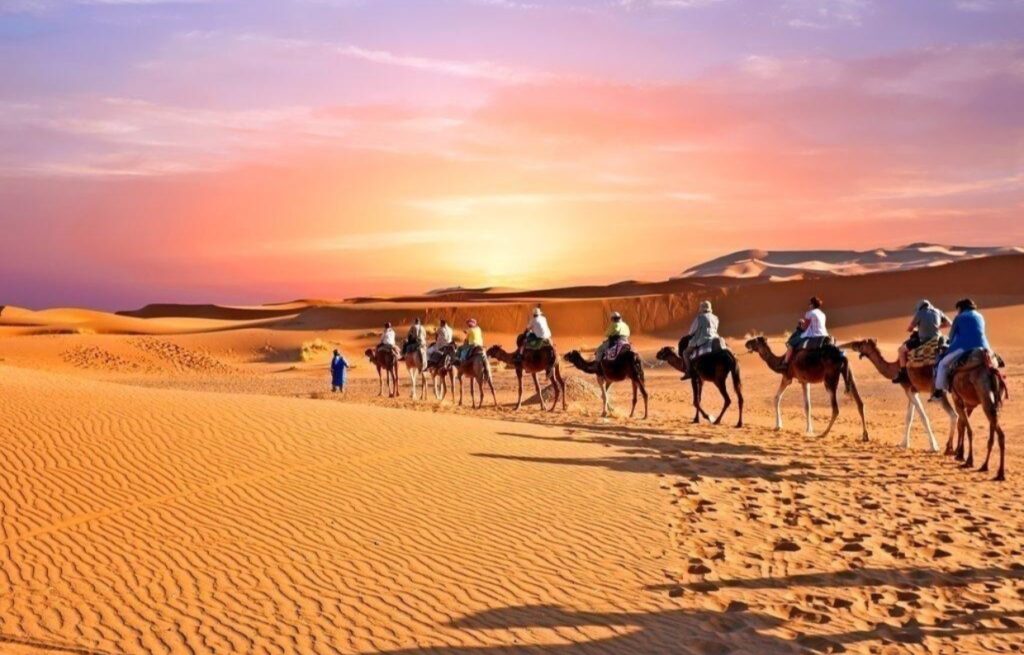
If the Sahara is the main reason for your Morocco trip, spring and autumn are the best seasons to consider.
Morocco’s National Tourist Office specifically recommends spring and autumn for traveling into the country’s southern desert regions.
May and October can also be good choices for travelers looking for more comfortable desert conditions, according to Lonely Planet.
Summer can be extremely hot in the desert, and Lonely Planet notes that excessive summer heat means many desert camps close between June and August.
Winter is possible, but desert nights and early mornings can become very cold.
Best seasons: Spring and autumn.
Best Time to Visit the Atlas Mountains
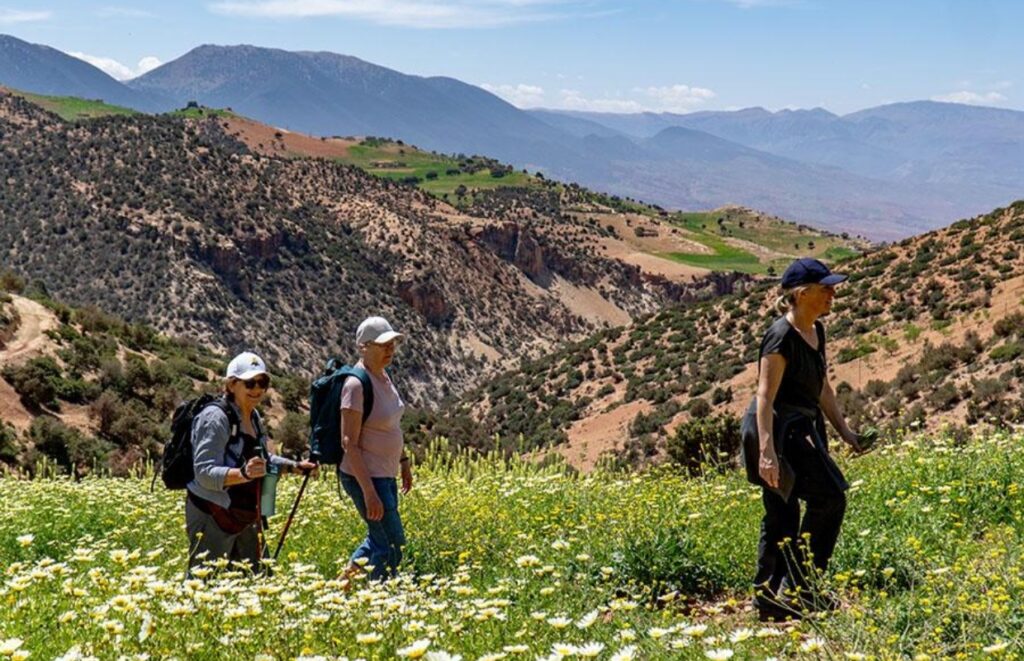
The Atlas Mountains can be visited during different seasons, depending on what you want to do.
For hiking, spring and autumn are generally excellent choices. Lonely Planet identifies April to June and September to November as periods with mild conditions in the High Atlas.
Summer can also be attractive at higher elevations because temperatures may be more comfortable than in Morocco’s inland cities.
Winter is very different: snow can cover higher mountain areas, and some roads may become difficult or temporarily inaccessible during severe weather.
If hiking is your main goal, always check local weather and trail conditions before setting out.
Best Time to Visit Morocco’s Beaches
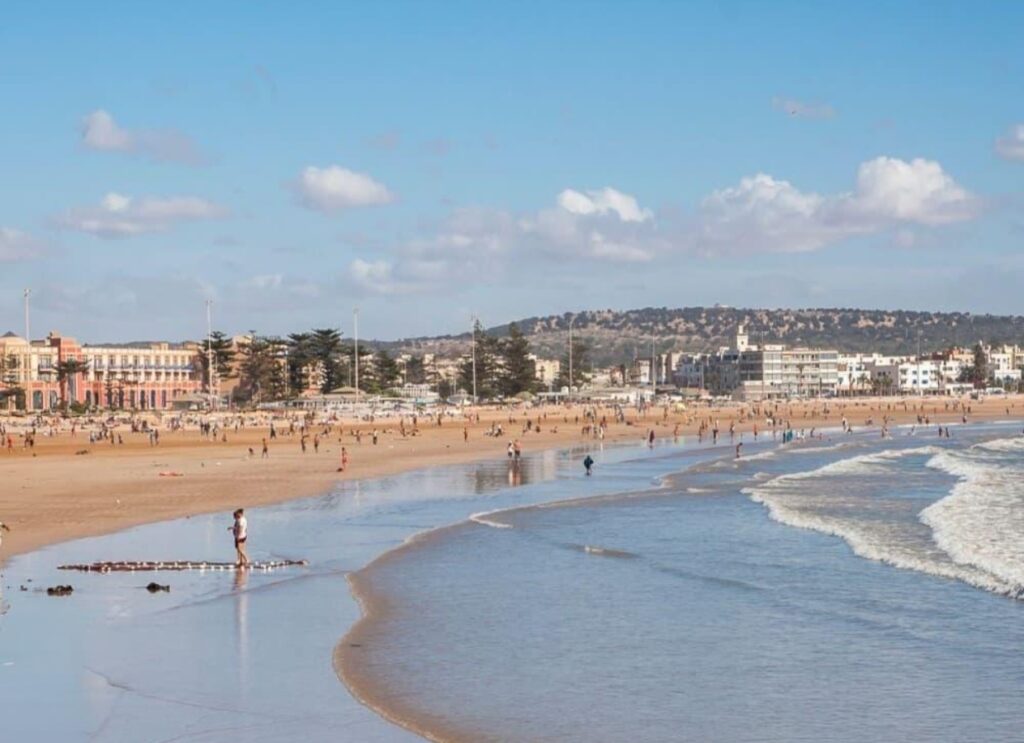
Morocco’s coastline can be enjoyed during much of the year, but the ideal season depends on the type of beach experience you want.
Agadir
Agadir is one of Morocco’s major coastal destinations and benefits from an Atlantic climate with relatively mild conditions. The Moroccan National Tourist Office describes Agadir as a major seaside resort with mild temperatures and light trade winds.
Essaouira
Essaouira is another popular Atlantic destination. Its coastal setting makes it a useful alternative to Morocco’s hotter inland cities during summer.
The city is also known for water sports and its strong connection to Morocco’s Atlantic coast.
Taghazout
Taghazout is particularly popular with surfers.
Winter brings some of the largest Atlantic swells, while summer offers different conditions and a lively coastal atmosphere.
What Is the Best Month to Visit Morocco?
There is no single perfect month for every traveler, but October is an excellent all-round choice for many visitors.
It can be particularly attractive if you want to combine Morocco’s cities, mountains, and desert areas while avoiding the hottest part of summer.
September is another strong choice, particularly for travelers interested in coastal cities and outdoor sightseeing. Lonely Planet describes September as a month with warm weather and long sunny days after the August holiday period.
If your priority is hiking, April, May, October, and November can be attractive depending on the altitude and specific route.
If your priority is the Sahara, spring and autumn are the seasons to focus on.
Is Morocco Too Hot in Summer?
Some parts of Morocco can be extremely hot in summer.
The biggest concern is generally inland and southern Morocco, rather than the Atlantic coast. July and August can bring particularly high temperatures inland.
This does not mean you should avoid Morocco entirely during summer.
Instead, consider:
• Spending more time on the coastVisiting higher mountain areas
• Planning sightseeing for mornings and evenings
• Staying hydrated
• Protecting yourself from the sun
• Avoiding strenuous activities during the hottest part of the day
If you strongly dislike hot weather, spring or autumn will usually be a better choice.
Is Winter a Good Time to Visit Morocco?
Yes.
Winter can be a good season for exploring Moroccan cities and enjoying coastal destinations.
However, Morocco is not uniformly warm during winter. Mountain areas can be cold and snowy, and inland nights can be chilly.
Winter is particularly attractive for surfers because the Atlantic coast receives strong swells during the season.
It can also be a good time for travelers who prefer cooler sightseeing conditions.
What About Ramadan in Morocco?
Ramadan moves through the calendar because it follows the Islamic lunar calendar, so its dates change every year.
Traveling during Ramadan can provide a meaningful cultural experience, but visitors should understand that daily routines can change.
Some restaurants and food establishments may close during daylight hours, while hotels and tourist-oriented businesses may continue serving visitors.
If you travel during Ramadan:
• Check restaurant opening hours in advance.
• Be respectful around people who are fasting.
• Avoid eating or drinking openly in inappropriate settings.
• Expect livelier evenings after sunset.
• Check local arrangements before visiting attractions.
Ramadan is not necessarily a reason to avoid Morocco, but it is a reason to plan differently.
Morocco Travel Seasons at a Glance
Spring — March to May: One of the best periods for sightseeing, hiking, Marrakech, and combining several regions.
Summer — June to August: Hot inland, but coastal destinations and some mountain areas can be more comfortable. Summer is also a major season for festivals and coastal activities.
Autumn — September to November: Excellent for cities, outdoor activities, and desert travel. September and October are particularly attractive for many itineraries.
Winter — December to February: Good for city breaks, surfing, coastal travel, and winter mountain activities, but colder conditions are possible at night and in higher elevations.
What to Pack for Morocco
Your packing list should depend on the season and regions you plan to visit.
For spring and autumn
Bring:
• Comfortable walking shoes
• Lightweight clothing
• A light jacket or warmer layer
• Sun protection
• Sunglasses
• Sunscreen
For summer
Consider:
• Lightweight breathable clothing
• A hat
• Sunglasses
• Sunscreen
• Comfortable shoes
• A reusable water bottle
For winter
Bring:
• Warm layers
• A jacket
• Comfortable walking shoes
• Extra layers for evenings
• Warmer clothing if visiting mountain areas
For desert or mountain trips, check the forecast and local conditions before leaving.
When Is the Best Time to Visit Morocco for Different Activities?
For Marrakech Spring and autumn For the Sahara Desert Spring and autumn
Spring and autumn, with conditions varying by altitude and route.
For surfing
Winter is particularly attractive for larger Atlantic swells.
For Atlantic beaches
Summer can be a good choice for a coastal vacation, while the coast remains a viable destination outside summer as well.
For city sightseeing
Spring and autumn are generally the easiest seasons for comfortable outdoor exploration.
For skiing
Winter, when snow conditions allow.
Frequently Asked Questions
What is the best time to visit Morocco?
For most travelers, March to May and September to November offer the best combination of comfortable weather and outdoor sightseeing conditions.
What is the best month to visit Morocco?
October is an excellent all-round choice for many travelers, especially those combining cities, mountains, and the desert.
What is the best time to visit Marrakech?
Spring and autumn are generally the most comfortable seasons for exploring Marrakech.
What is the best time to visit the Sahara Desert in Morocco?
Spring and autumn are the recommended seasons for visiting Morocco’s desert regions.
Is Morocco worth visiting in summer?
Yes. Summer can work very well for Atlantic coastal destinations and some mountain areas, but inland and southern regions can become extremely hot.
Is Morocco cold in winter?
Some areas can be cold, particularly mountain regions and at night. Coastal areas generally have milder winter conditions.
Is Ramadan a good time to visit Morocco?
Yes, but travelers should expect changes to opening hours and daily routines. Ramadan dates change every year.
Final Verdict: When Should You Visit Morocco?
For most travelers, spring and autumn are the best overall seasons to visit Morocco.
Choose March to May if you want pleasant conditions for sightseeing and outdoor activities as landscapes transition into spring.
Choose September to November if you want comfortable conditions after the hottest part of summer, with September and October being particularly attractive for many itineraries.
Choose summer if your priority is Morocco’s Atlantic coast, certain mountain areas, or summer festivals, and you are comfortable with higher inland temperatures.
Choose winter if you want city breaks, Atlantic surfing, or winter mountain experiences.
Most importantly, don’t choose your travel dates based on Morocco as a whole. Choose the season according to the regions and activities on your itinerary. Morocco’s climate varies considerably between the coast, cities, mountains, and desert.