
Introduction
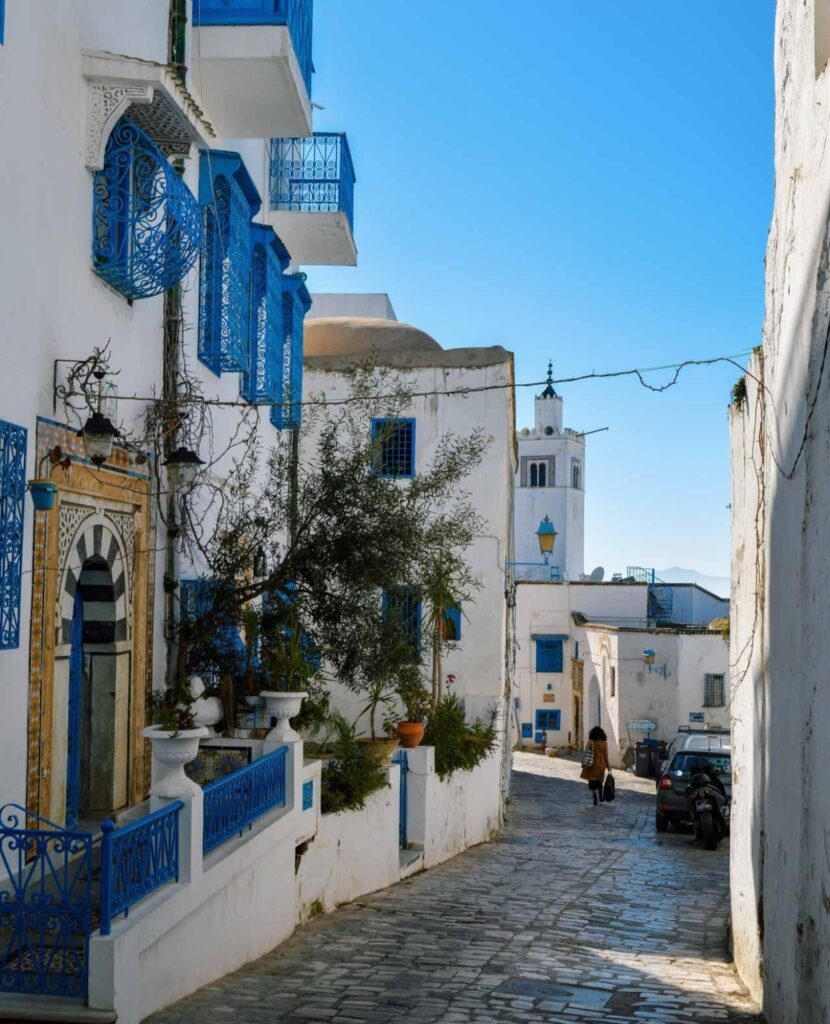
Tunisia is one of North Africa’s most fascinating countries, known for its Mediterranean coastline, ancient history, and vibrant cultural heritage. Tunisian traditions and customs reflect centuries of influences from Arab, Amazigh (Berber), Roman, Ottoman, and Mediterranean civilizations.
Visitors quickly notice the warmth of Tunisian hospitality, colorful festivals, delicious cuisine, and strong family values. Whether you explore the bustling streets of Tunis, the white-and-blue village of Sidi Bou Said, or the peaceful Sahara villages, you will discover traditions that continue to shape everyday life.
The Importance of Hospitality in Tunisia
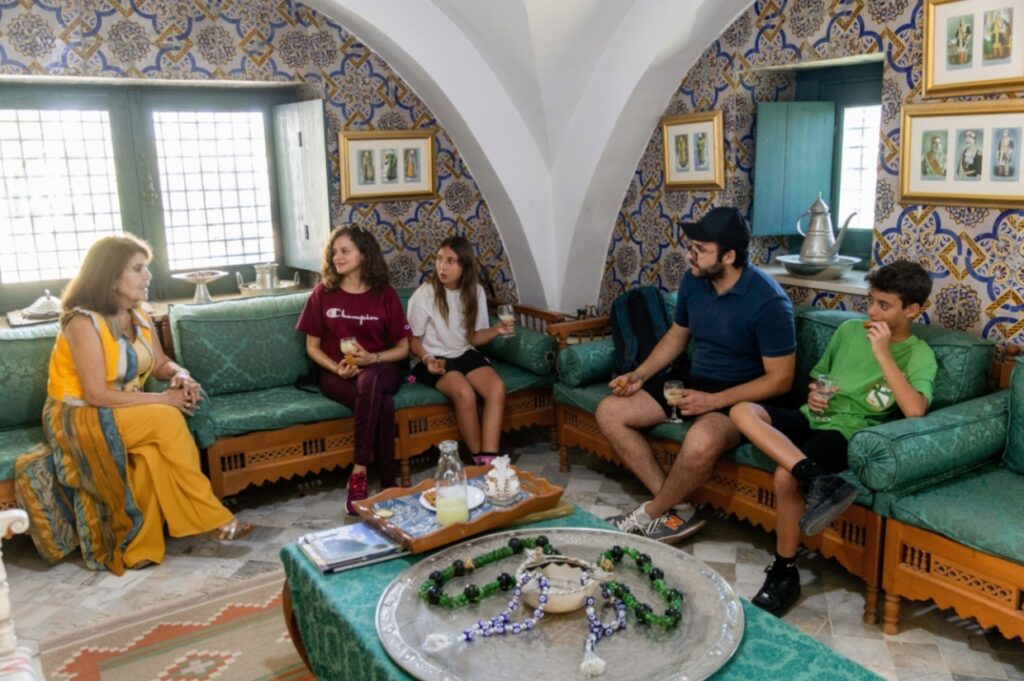
Hospitality is one of the most valued traditions in Tunisia. Guests are welcomed with kindness and respect, often receiving mint tea, coffee, pastries, or fresh fruit upon arrival.
Families enjoy sharing meals together, and visitors are frequently invited to experience authentic Tunisian cooking. Generosity is considered a sign of honor and reflects the country’s welcoming spirit.
Traditional Tunisian Clothing
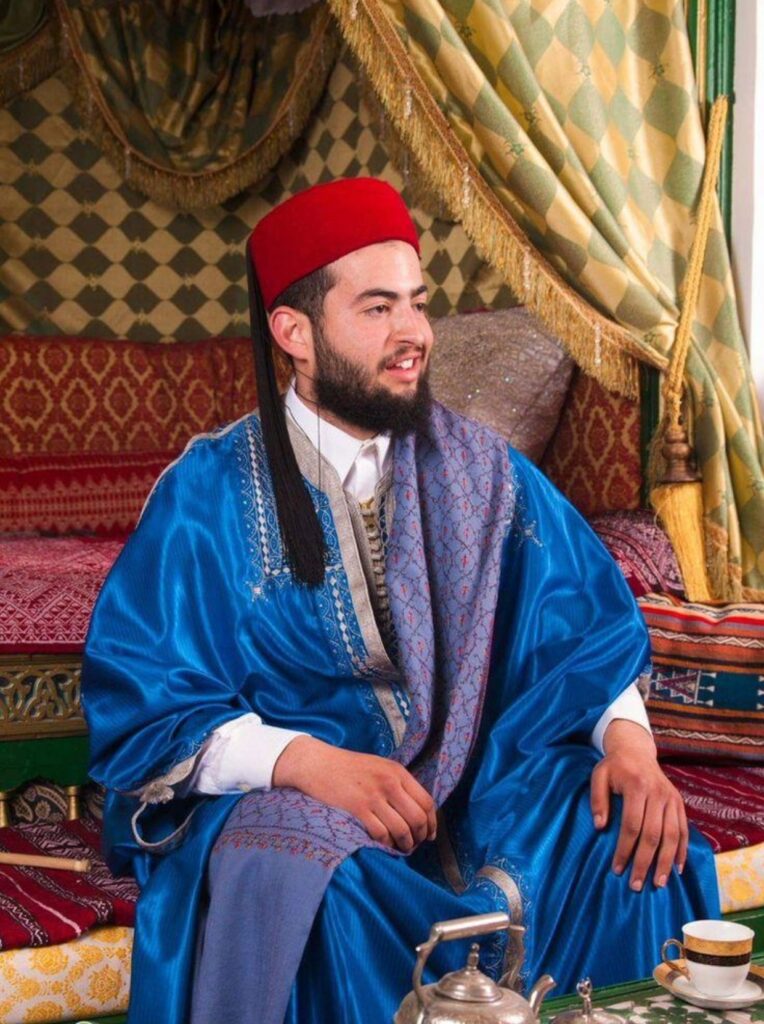
Traditional clothing remains an important symbol of Tunisian identity.
Men often wear:
• Jebba
• Burnous
• Chechia (traditional red cap)
Women traditionally wear:
• Tunisian Kaftan
• Colorful embroidered dresses
• Traditional jewelry made from silver and gold
Although modern clothing is common today, traditional outfits remain popular during weddings, festivals, and religious celebrations.
Tunisian Weddings
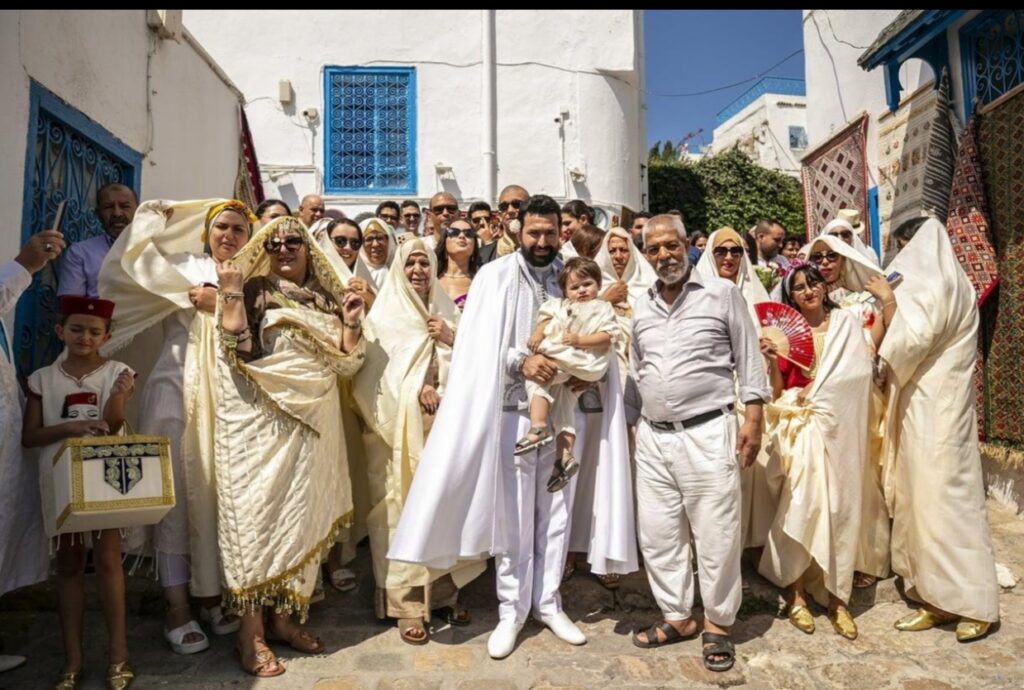
Traditional Tunisian weddings are colorful celebrations lasting several days.
Wedding customs include:
• Henna ceremonies
• Traditional music and dancing
• Family gatherings
• Lavish feasts
• Beautiful traditional clothing
The bride often changes outfits several times throughout the celebration, showcasing Tunisia’s rich textile traditions.
Tunisian Cuisine and Food Traditions
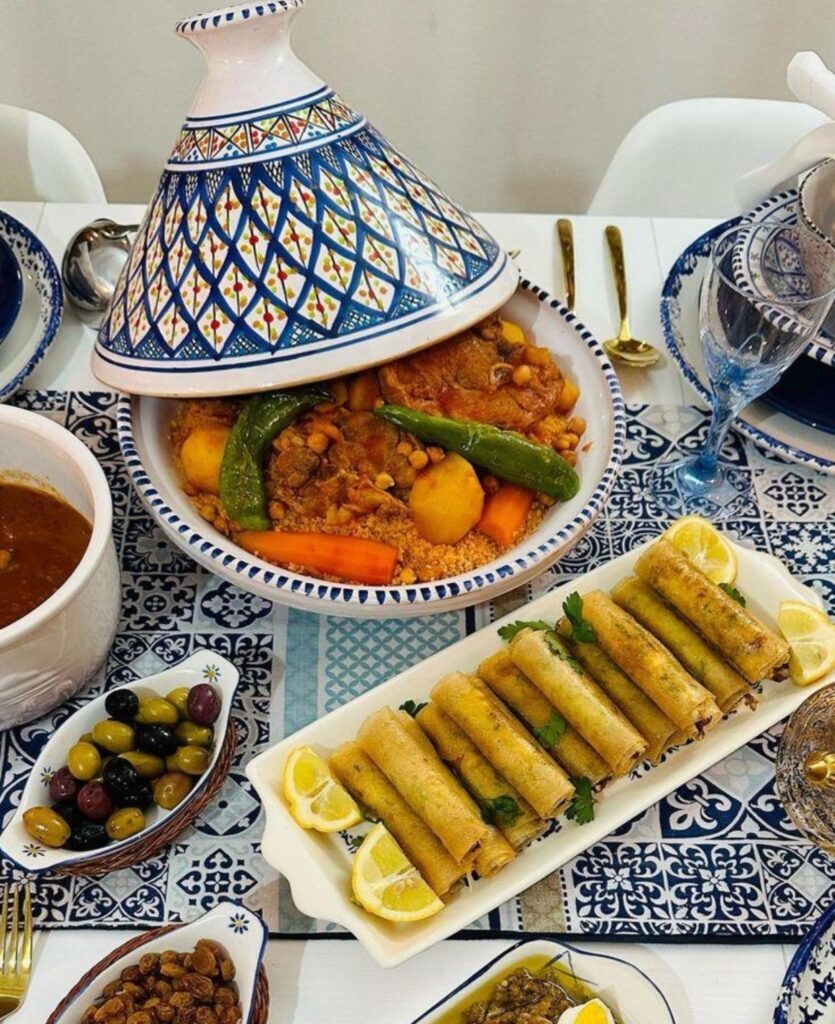
Food plays a central role in Tunisian culture.
Popular dishes include:
• Couscous
• BrikLablabi
• Ojja
• Mechoui
• Harissa-based recipes
Meals are often shared with family members, reflecting unity and hospitality.
Religious and National Celebrations
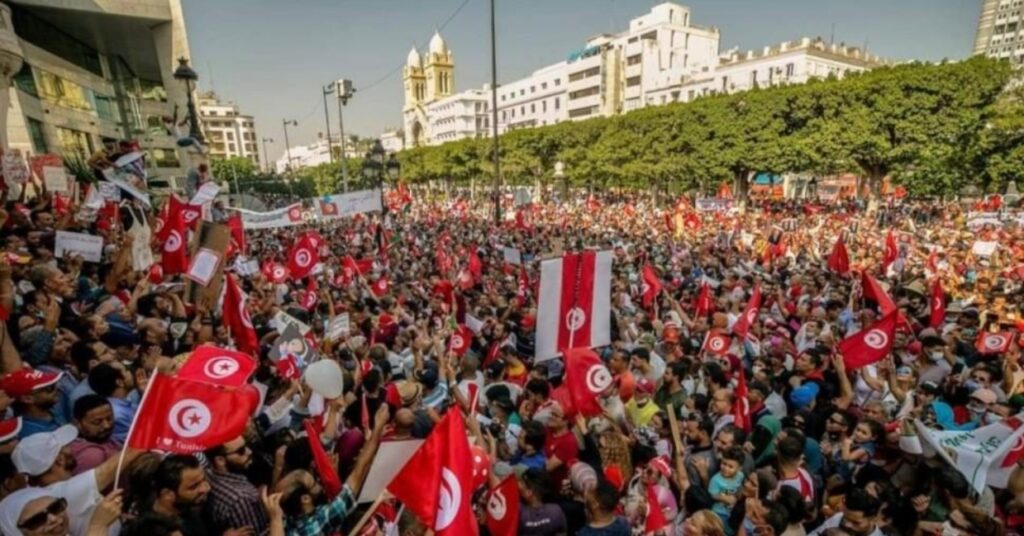
Tunisia celebrates both Islamic and national holidays.
Important celebrations include:
• Ramadan
• Eid al-Fitr
• Eid al-Adha
• Independence Day
• Revolution Day
Families gather, exchange gifts, and prepare traditional meals during these occasions.
Music and Traditional Arts
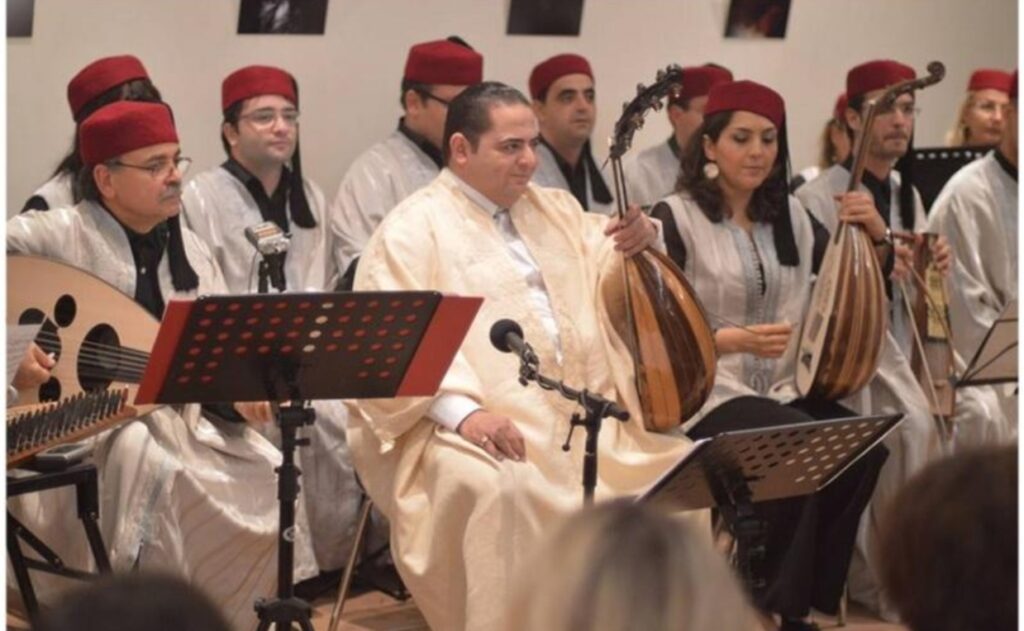
Traditional Tunisian music combines Arab, Andalusian, and Amazigh influences.
Popular styles include:
• Malouf
• Mezoued
• Folk music
• Bedouin music
Music plays an important role in weddings, festivals, and cultural events.
Traditional Markets (Souks)
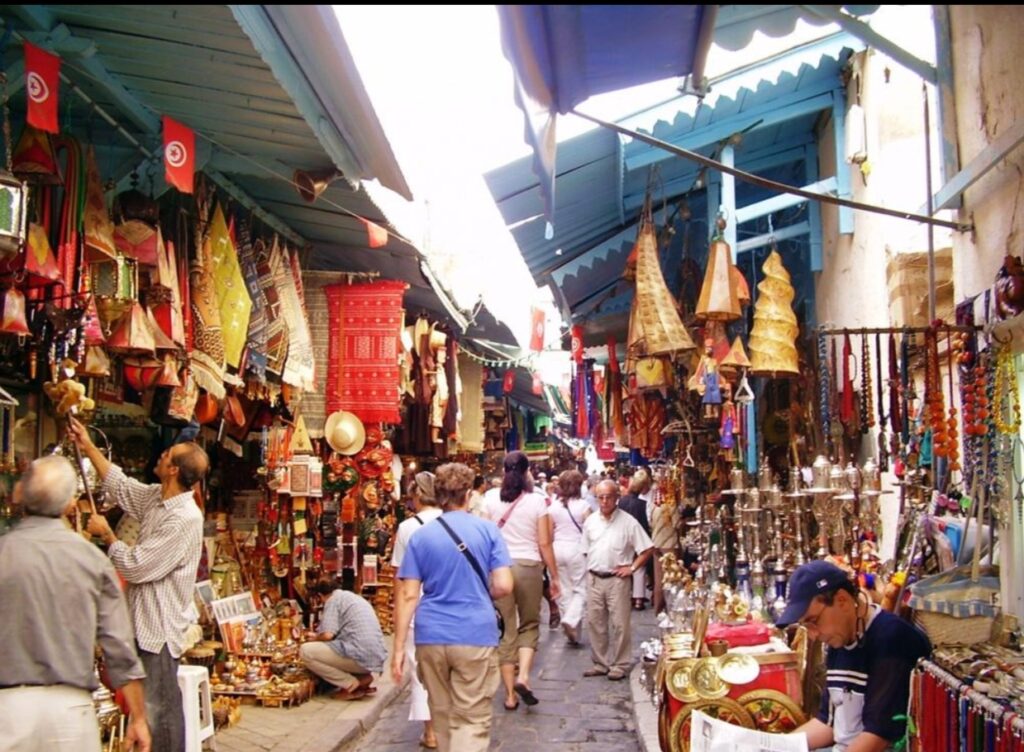
The historic souks of Tunisia remain cultural treasures.
Visitors can buy:
Handmade carpets
• Ceramics
• Leather products
• Traditional perfumes
• Olive wood crafts
• Spices
Exploring these markets offers a glimpse into Tunisia’s artisan heritage.
Family Values in Tunisia
Family is the heart of Tunisian society.
Respect for parents and elders is highly valued. Families gather regularly for meals, celebrations, and religious occasions, maintaining strong social bonds.
Cultural Diversity in Tunisia
Cultural Diversity in Tunisia
• Amazigh (Berber)
• Arab
• Roman
• Phoenician
• Ottoman
• French
• Mediterranean
This diversity makes Tunisia one of North Africa’s richest cultural destinations.
Why Visitors Love Tunisian Culture
Travelers appreciate Tunisia because of its:
• Warm hospitality
• Rich history
• Beautiful architecture
• Traditional cuisine
• Colorful festivals
• Friendly people
Every region offers unique traditions while preserving the country’s shared cultural identity.
Conclusion
Tunisian traditions and customs beautifully combine ancient heritage with modern life. From welcoming guests with generosity to celebrating lively weddings and preserving traditional arts, Tunisia offers visitors an authentic cultural experience. Exploring its customs is one of the best ways to understand the country’s rich identity and timeless charm.
Frequently Asked Questions
What is Tunisia famous for culturally?
Tunisia is famous for its hospitality, traditional cuisine, Malouf music, historic medinas, colorful festivals, and rich blend of Arab, Amazigh, and Mediterranean heritage.
What is the most popular Tunisian dish?
Couscous is considered Tunisia’s national dish, while Brik, Lablabi, and Harissa are also popular.
Is Tunisia culturally diverse?
Yes. Tunisia combines Amazigh (Berber), Arab, Roman, Ottoman, French, and Mediterranean influences, creating a unique cultural identity.