
Introduction
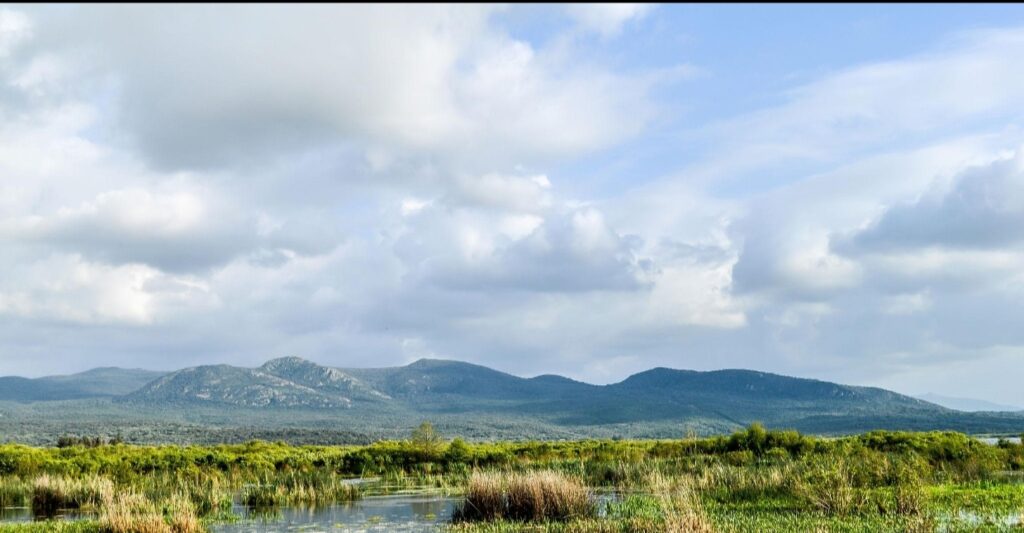
Algeria’s national parks showcase some of the country’s most remarkable protected landscapes, from Mediterranean wetlands and coastal cliffs to ancient forests and vast Saharan plateaus.
For travelers, these parks offer more than outdoor activities. They provide opportunities to discover Algeria’s geological heritage, coastal ecosystems, forests, lakes and archaeological landscapes while exploring regions that are often overlooked by international tourism.
This guide focuses on what makes each park distinctive, helping travelers decide which protected areas are worth adding to an Algeria itinerary.
1. El Kala National Park
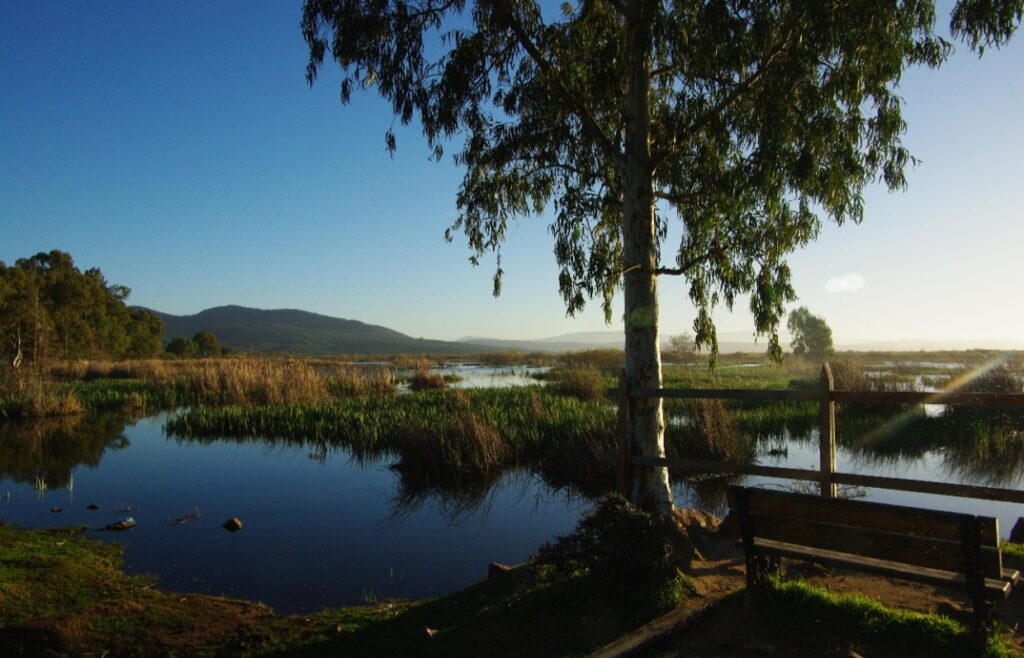
Located in northeastern Algeria near the Tunisian border, El Kala National Park is particularly known for its combination of lakes, wetlands, forests and Mediterranean environments.
Unlike Algeria’s mountain-focused destinations, El Kala offers a landscape dominated by water and wetlands.
What Makes El Kala Special?
• Lake landscapes
• Wetland ecosystems
• Mediterranean forests
• Birdwatching opportunities
• Coastal scenery
is an excellent choice for travelers interested in ecological landscapes rather than mountain adventures.
2. Gouraya National Park
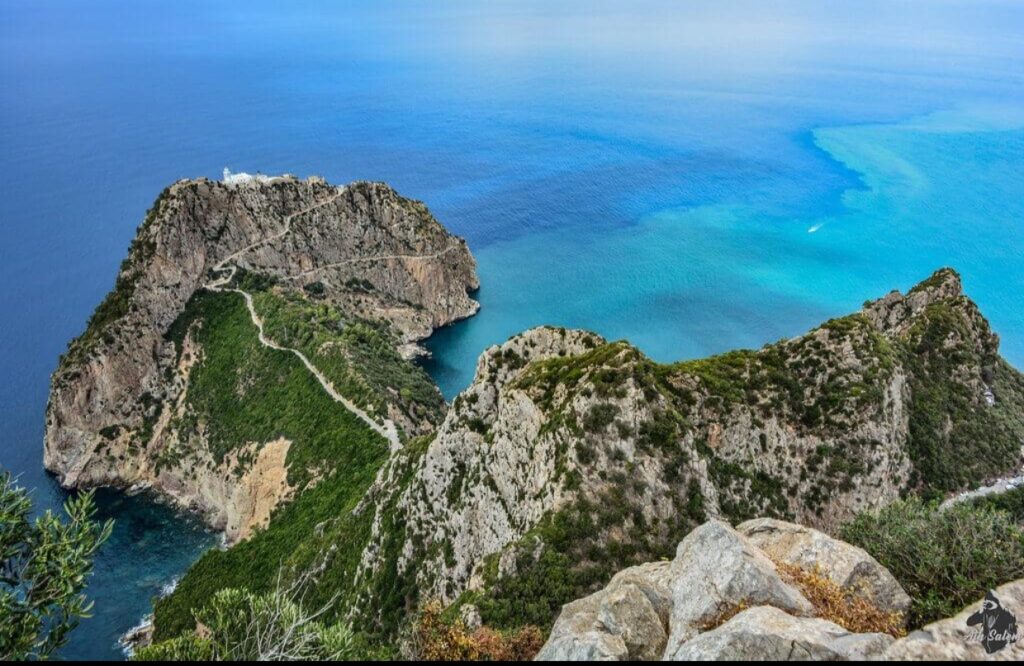
Gouraya National Park surrounds the coastal area of Béjaïa and combines Mediterranean scenery with dramatic cliffs and protected landscapes.
One of its attractions is the panoramic coastal scenery around Cap Carbon.
Best For
Coastal viewpoints
Mediterranean scenery
Photography
Scenic drives
Combining a city visit with protected nature
Gouraya works particularly well as part of a Béjaïa itinerary rather than as an isolated destination.
3. Taza National Park
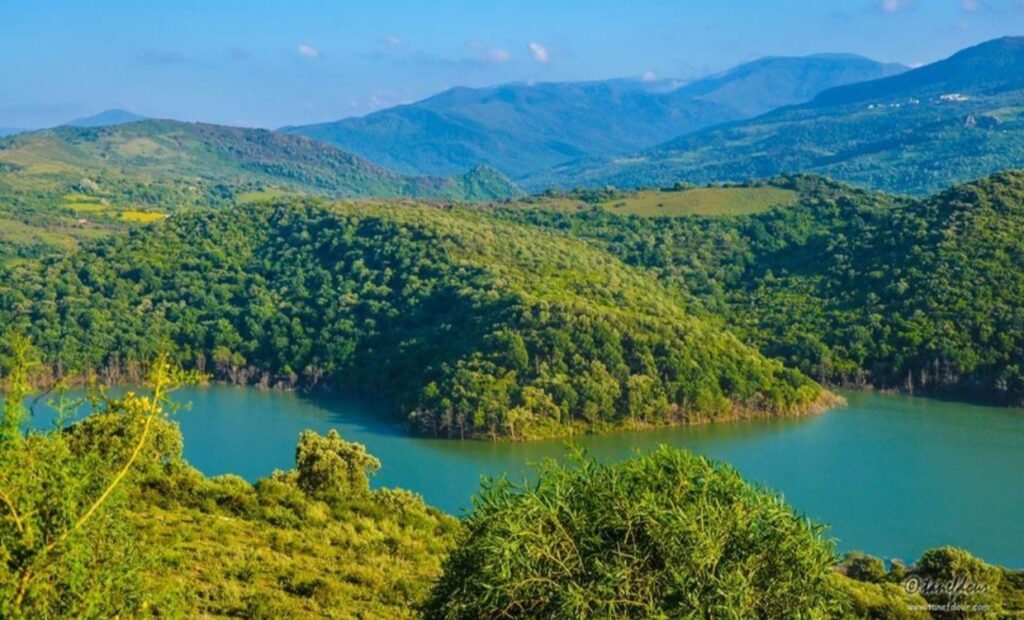
Near Jijel, Taza National Park protects a combination of forest and Mediterranean coastal environments.
The park is a useful option for travelers exploring Algeria’s northeastern coast who want to add a protected natural area to their journey.
Why Visit Taza?
Its appeal comes from the combination of:
• Forest landscapes
• Coastal scenery
• Mediterranean environment
• Quiet natural surroundings
4. Belezma National Park
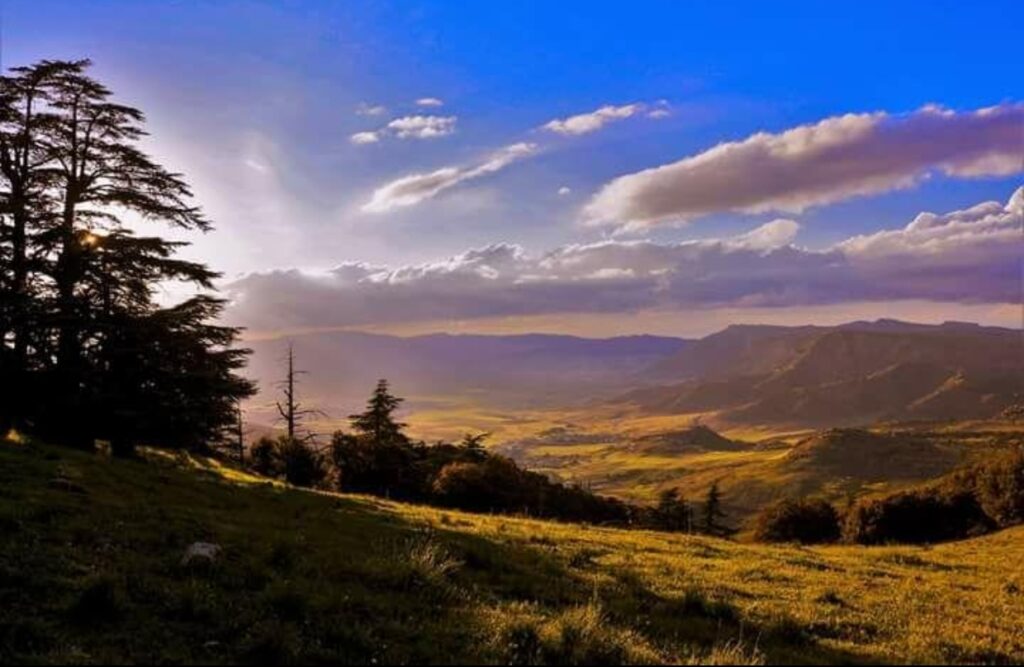
Located near Batna, Belezma National Park offers travelers an opportunity to discover the mountainous landscapes of eastern Algeria.
The park is particularly interesting for travelers exploring the Aurès region and nearby historical sites.
Add It to Your Itinerary If You Want
• Eastern Algerian landscapes
• Mountain scenery
• Forest environments
• A quieter alternative to heavily visited destinations
5. Theniet El Had National Park
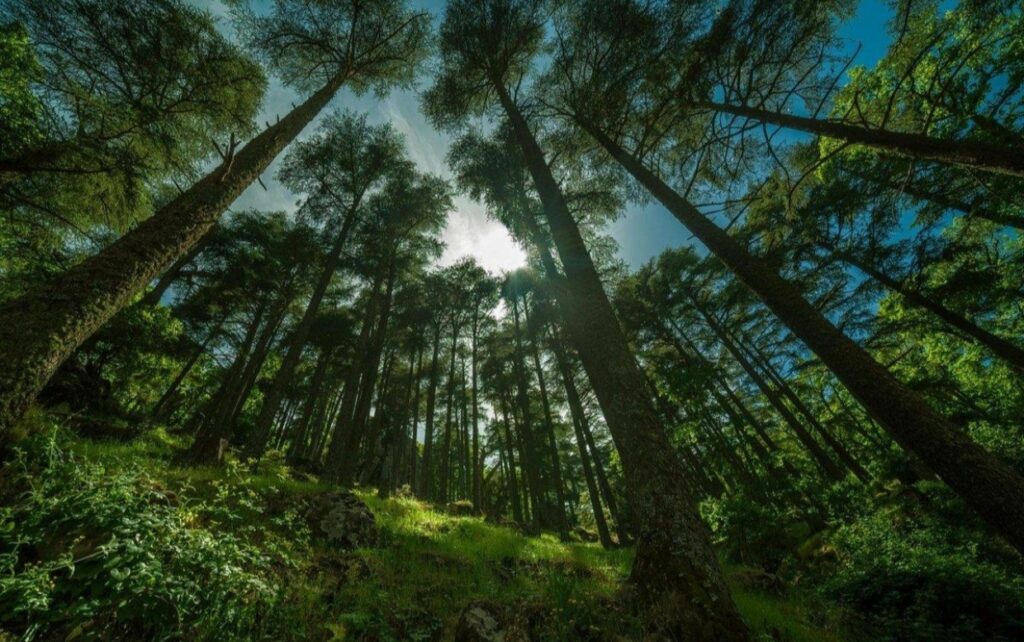
Theniet El Had National Park, located in northern Algeria, is known for its Atlas cedar forests and mountain environment.
is a good choice for travelers interested in Algeria’s forest heritage and looking for a destination away from the country’s major urban centers.
What to Expect
The experience is primarily about:
• Forest scenery
• Cedar landscapes
• Fresh mountain environments
• Photography
• Quiet nature escapes
6. Gouraya vs Taza: Which One Should You Choose?
These two northeastern parks can appeal to different travelers.
Choose Gouraya If
You want dramatic coastal views and would like to combine a national park visit with Béjaïa.
Choose Taza If
You are traveling through the Jijel region and prefer a quieter combination of forest and Mediterranean landscapes.
This makes both parks useful additions to a northeastern Algeria road trip.
7. Tassili n’Ajjer National Park
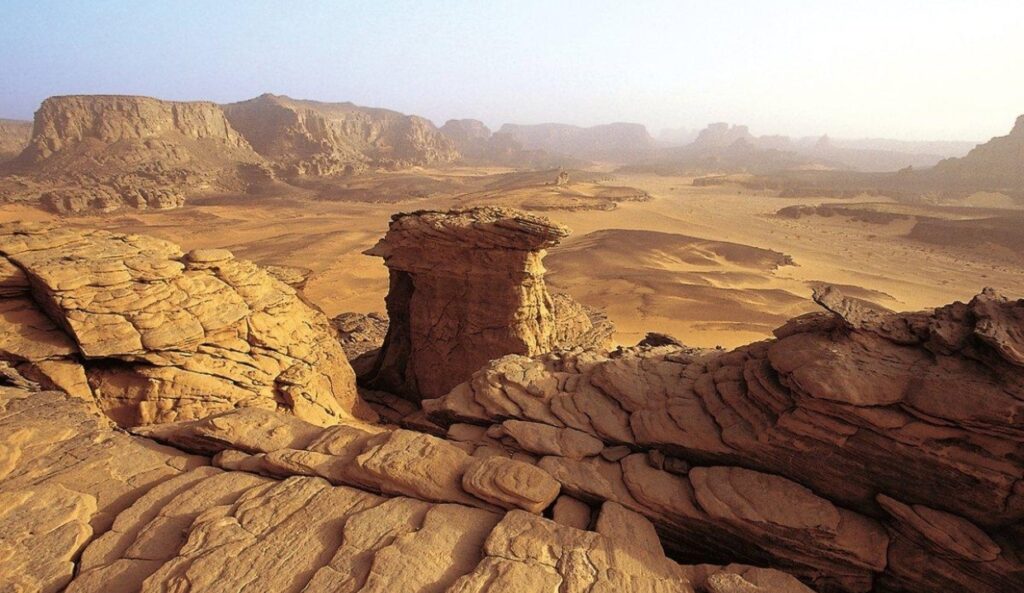
Tassili n’Ajjer is completely different from Algeria’s northern national parks.
Located in the far southeast, the protected landscape is famous for its enormous sandstone formations and prehistoric cultural heritage.
What Makes It Unique?
• Ancient rock art
• Sandstone plateaus
• Natural rock formations
• Remote Saharan landscapes
• Exceptional archaeological importance
The scale and geological character of Tassili n’Ajjer make it one of the most distinctive protected landscapes in Algeria.
8. National Parks for Different Types of Travelers
For Birdwatchers
El Kala is one of the strongest choices because of its lakes and wetland environments.
For Coastal Landscapes
Gouraya and Taza are excellent choices in northeastern Algeria.
For Forest Lovers
Theniet El Had offers a strong forest-focused experience.
For Desert Heritage
Tassili n’Ajjer stands out for its combination of geology and prehistoric heritage.
9. How to Plan a National Park Visit in Algeria
Before visiting a national park, research the exact location rather than assuming that all parks have the same facilities or access conditions.
Check These Before Traveling
• Transportation options
• Opening and access conditions
• Weather
• Local regulations
• Available accommodation
• Guide requirements
• Road conditions
Remote protected areas may require considerably more planning than parks near major cities.
10. Responsible Tourism in Algeria’s National Parks
Protected areas depend on responsible visitors.
Simple Rules to Follow
• Take your rubbish with you.
• Stay on permitted routes where required.
• Do not damage plants or geological formations.
• Never touch archaeological or rock-art sites.
• Avoid disturbing animals.
• Respect local communities.
• Follow park regulations.
These simple habits help protect Algeria’s natural and cultural heritage.
FAQs
What is the best national park in Algeria?
There is no single best park. El Kala is particularly interesting for wetlands, Gouraya for coastal scenery, and Tassili n’Ajjer for desert geology and prehistoric heritage.
Which Algerian national park is best for wetlands?
El Kala National Park is particularly known for its lakes and wetland environments.
Which national park is best for coastal scenery?
Gouraya and Taza are strong choices for travelers exploring Algeria’s northeastern Mediterranean coast.
Is Tassili n’Ajjer suitable for a short day trip?
Because of its remote location and the scale of the landscape, Tassili n’Ajjer is better suited to a carefully planned multi-day excursion.
Do all Algerian national parks have tourist facilities?
No. Facilities and accessibility vary considerably. Remote parks require more preparation than protected areas located near major cities.
Conclusion
Algeria’s national parks reveal a side of the country that is easy to miss when traveling only between its major cities.
El Kala offers wetlands and lakes, Gouraya and Taza showcase the Mediterranean northeast, Theniet El Had highlights Algeria’s forest heritage, while Tassili n’Ajjer combines extraordinary geology with prehistoric cultural heritage.
The best park for you ultimately depends on the type of landscape you want to experience and how much time you have available.
Related Travel Guides
• Best Nature & Wildlife Areas in Algeria: Complete Travel Guide
• Hiking in Algeria: Best Mountains, Trails & Outdoor Adventures
• Camping in Algeria: Best Places & Essential Travel Tips
• Best Beaches in Algeria: Top Coastal Destinations
• Algeria Travel Guide: Best Places to Visit, Things to Do & Travel Tips