
Introduction
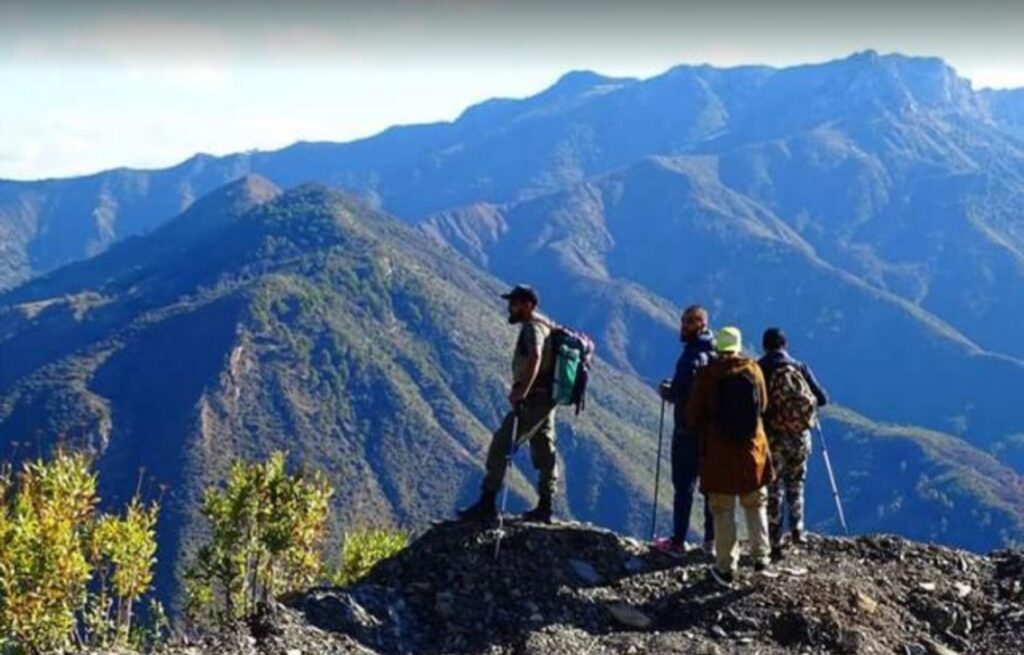
Algeria is much more than Mediterranean beaches and historic cities. Its enormous territory includes mountains, forests, high plateaus and vast Saharan landscapes, creating opportunities for very different types of hiking.
From the green mountains of Kabylia to the dramatic landscapes of southern Algeria, hiking can be one of the best ways to experience the country’s natural scenery away from the major tourist routes.
The key is choosing the right region and planning according to the terrain, weather and local conditions.
1. Hiking in Kabylia
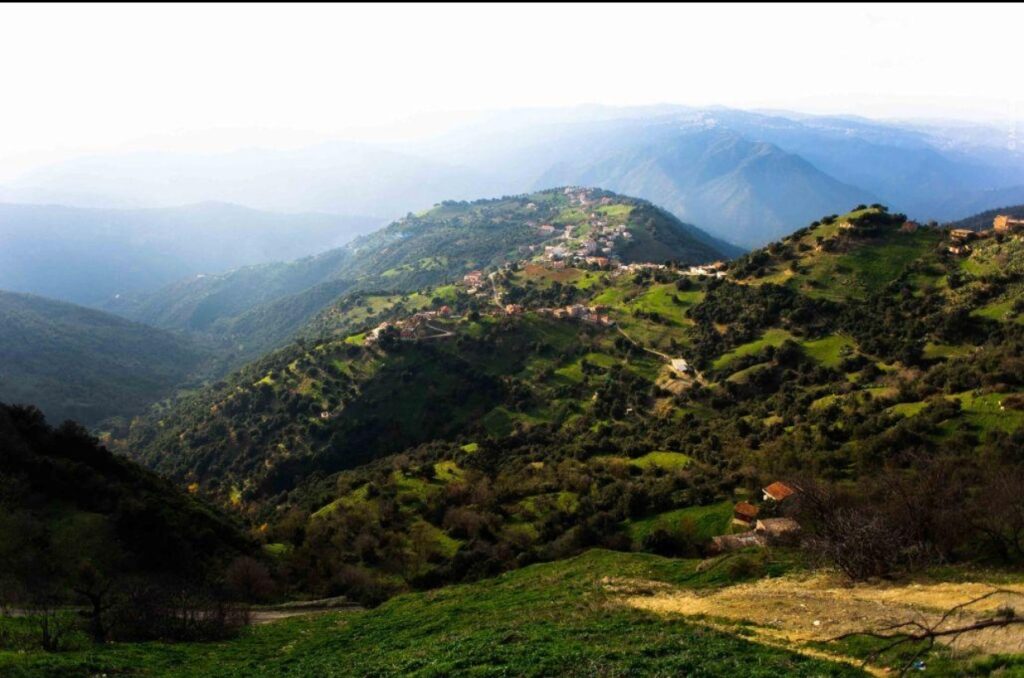
Kabylia is one of Algeria’s most attractive regions for mountain and nature walks.
The Djurdjura Mountains offer forests, rocky peaks, valleys and panoramic views. The Tikjda area is particularly well known for mountain activities and provides a good base for exploring the surrounding landscape.
What Makes Kabylia Special?
• Mountain scenery
• Forest trails
• Villages and traditional landscapes
• Panoramic viewpoints
• Cooler temperatures than the Sahara
For travelers staying in northern Algeria, Kabylia can be one of the easiest regions to combine with a wider trip.
2. Explore the Djurdjura Mountains
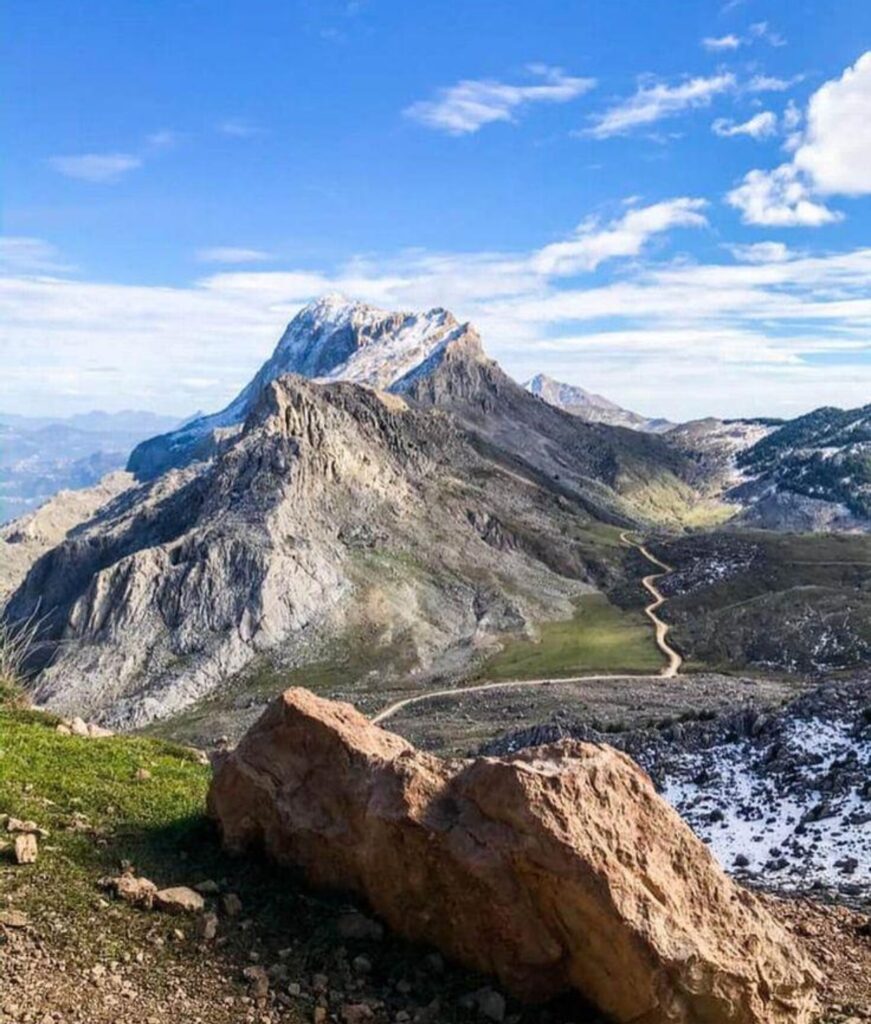
The Djurdjura range is one of the country’s most impressive mountain areas.The terrain varies from wooded slopes to rocky high-altitude landscapes. Depending on the season and route, hiking conditions can change considerably.
Best Experiences
• Forest walks
• Mountain viewpoints
• Photography
• Winter landscapes
• Longer mountain treks
Some routes require good fitness and appropriate equipment, so beginners should start with shorter guided walks.
3. Hiking in the Aurès Mountains
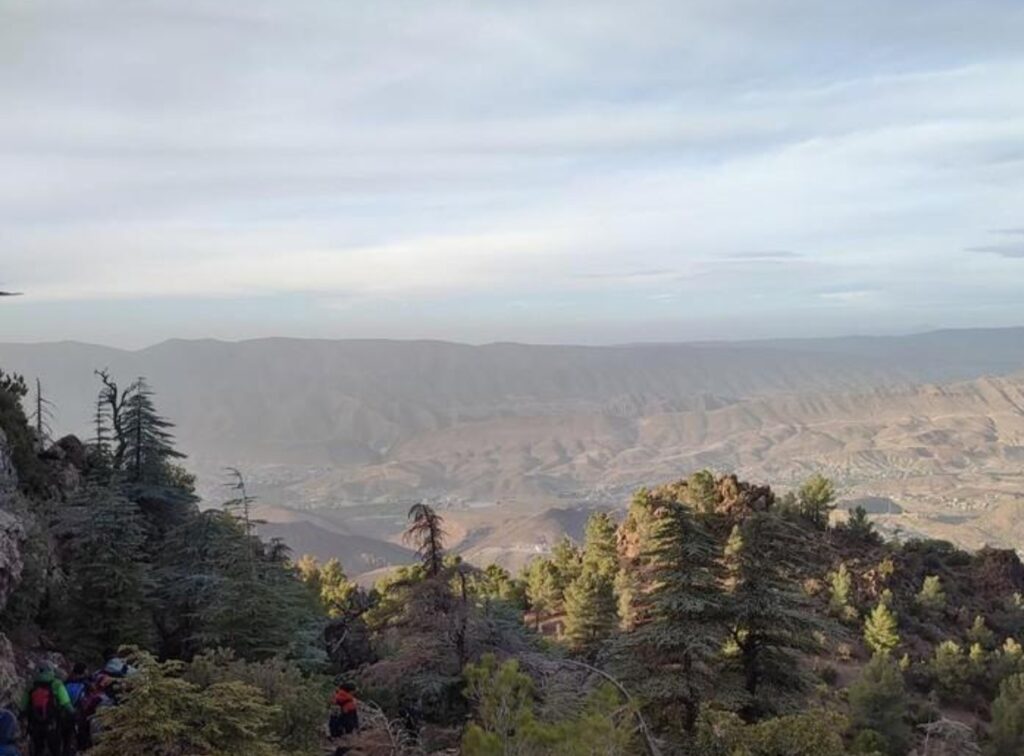
The Aurès Mountains in eastern Algeria combine dramatic terrain with deep historical and cultural importance.
The region is characterized by valleys, cliffs, mountains and traditional settlements.
Hiking here can be particularly rewarding for travelers who want to combine outdoor activities with exploration of rural Algeria.
Why Visit?
The landscape is different from the greener mountains around Kabylia and offers another perspective on Algeria’s interior.
4. Hiking Around Chréa
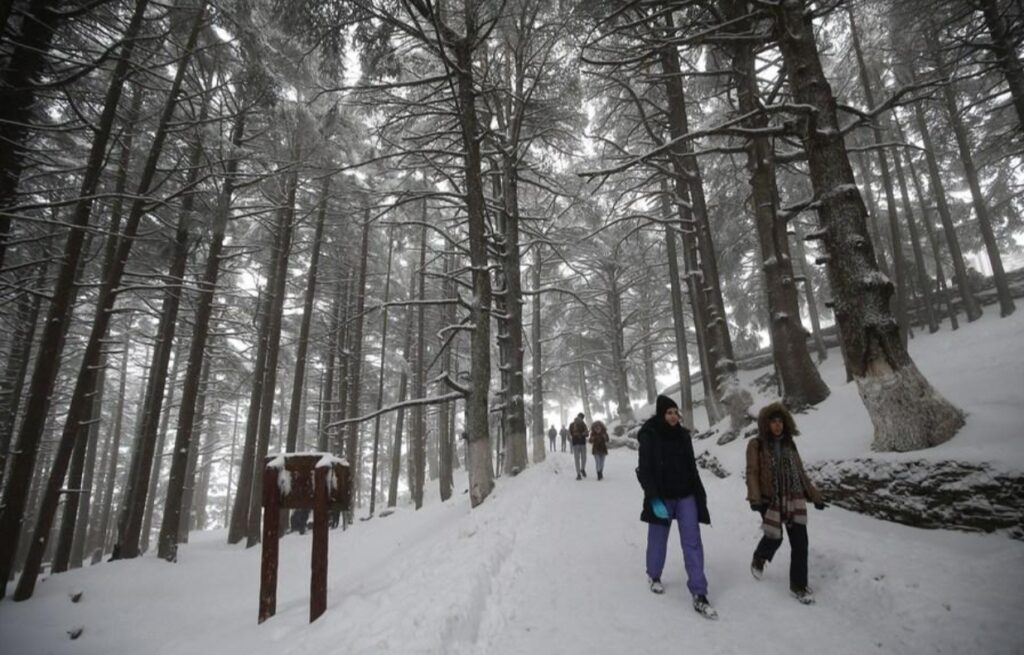
Located relatively close to Algiers, Chréa National Park is an accessible option for travelers looking for mountain scenery without traveling deep into the country.
The park is known for its forests and mountain environment.
Ideal For
• Day trips
• Nature walks
• Forest hiking
• Mountain photography
• Cooler-weather escapes from Algiers
Its proximity to the capital makes it particularly useful for visitors with limited time.
5. Desert Hiking in Southern Algeria
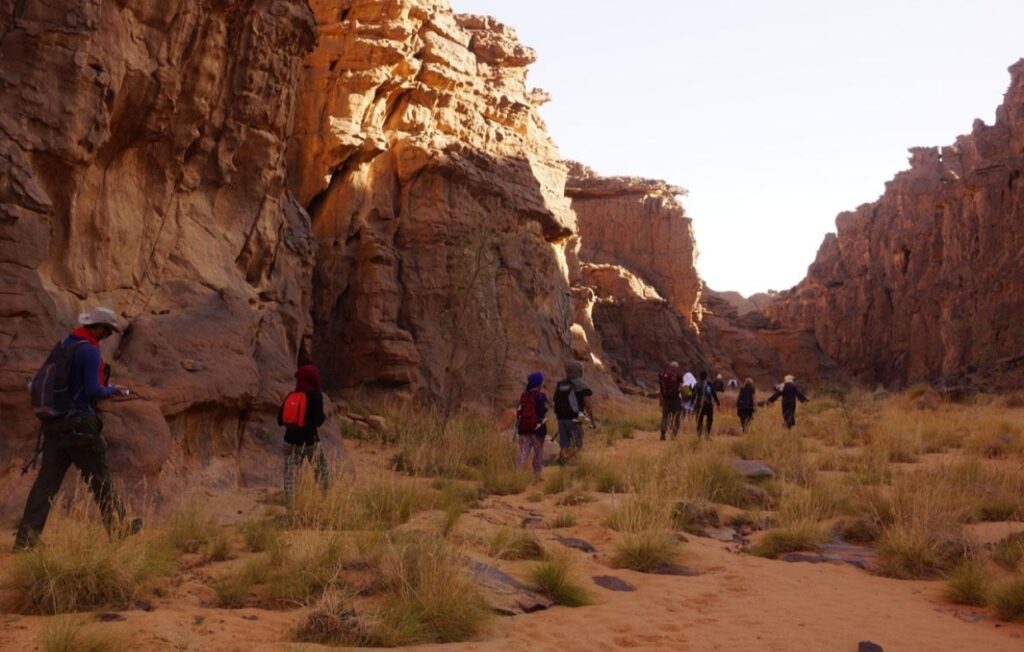
Southern Algeria offers an entirely different hiking experience.
Instead of green forests and mountain streams, hikers encounter sandstone formations, dunes, rocky valleys and enormous open spaces.
Areas around Djanet, Tadrart and Tassili n’Ajjer can provide extraordinary trekking opportunities.
What to Expect
• Remote terrain
• Sand and rock
• Large temperature changes
• Limited facilities
• Need for local guides
Desert hiking should not be treated like an ordinary day hike. Proper preparation and local knowledge are essential.
6. Hiking and Photography in the Sahara
The Algerian Sahara is especially attractive to photographers.
Walking through the desert allows you to experience changing colors throughout the day, from the softer morning light to dramatic sunsets.
Great Subjects for Photography
• Sand dunes
• Rock formations
• Desert valleys
• Sunrise and sunset
• StarsTraditional camps
A local guide can also help you reach viewpoints that are difficult to locate independently.
7. When Is the Best Time for Hiking in Algeria?
The ideal season depends on the region.
Northern Mountains
Spring and autumn are generally comfortable for hiking.
High Mountains
Conditions can become cold and snowy during winter, especially at higher elevations.
Sahara
The cooler months from autumn through spring are generally much more suitable for desert trekking than the hottest part of summer.
Always check local weather conditions before starting a hike.
8. What to Pack for Hiking in Algeria
Your equipment should match the region and season.
Basic Hiking Gear
• Comfortable hiking shoes
• Lightweight clothing
• Warm layer
• Hat
• Sunglasses
• Sunscreen
• Reusable water bottle
• First-aid kit
• Phone and power bank
• Offline maps
• Small backpack
For remote mountain or desert routes, carry additional water and follow your guide’s instructions.
9. Should You Hike With a Guide?
For easy and well-known trails, experienced hikers may be comfortable traveling independently.
However, a local guide is strongly recommended for remote mountain and desert areas.
A guide can help with:
• Navigation
• Weather changes
• Local access
• Difficult terrain
• Emergency situations
• Cultural and historical information
This becomes particularly important in the remote Sahara, where distances are enormous and facilities can be very limited.
10. Hiking Safety Tips
Before starting a hike:
1. Check the weather forecast.
2. Tell someone about your route.
3. Carry enough water.
4. Avoid hiking alone in remote areas.
5. Use appropriate footwear.
6. Start early in hot regions.
7. Respect local communities and protected areas.
8. Do not approach unfamiliar wildlife.
9. Keep emergency contacts available.
10. Follow current local security advice.
Conditions can vary significantly across Algeria, so a route that looks easy on a map may be much more demanding in reality.
Best Hiking Regions in Algeria at a Glance
🏔️ Kabylia
Forested mountains, green valleys, and beautiful mountain scenery.
⛰️ Djurdjura Mountains
High-altitude landscapes, panoramic views, and challenging mountain trails.
🌄 Aurès Mountains
Rugged terrain combined with traditional villages and rich cultural heritage.
🌲 Chréa National Park
An accessible choice for forest walks and mountain day trips, especially from Algiers.
🏜️ Djanet & Tadrart
A spectacular destination for desert trekking, sandstone formations, and remote landscapes.
🪨 Tassili n’Ajjer
Ideal for hiking among dramatic rock formations while discovering prehistoric rock art.
Conclusion
Hiking in Algeria offers remarkable variety. Travelers can walk through the forests of Kabylia, explore the rugged Djurdjura and Aurès Mountains, enjoy accessible nature around Chréa, or venture deep into the Sahara around Djanet and Tassili n’Ajjer.
For a first hiking trip, northern mountain areas are generally easier to organize. For a more adventurous experience, the Sahara offers landscapes that are difficult to find anywhere else.The most important thing is to choose your route according to your experience, the season and the local conditions—and to use experienced guides for remote areas.
Related Travel Guides
• Sahara Desert Adventures in Algeria: Complete Travel Guide
• Ghardaïa Travel Guide: Discover Algeria’s Unique Desert Oasis
• Best Time to Visit Algeria: Complete Seasonal Travel Guide
• Algeria Travel Tips for First-Time Visitors
• Algeria Travel Guide: Best Places to Visit, Things to Do & Travel Tips