
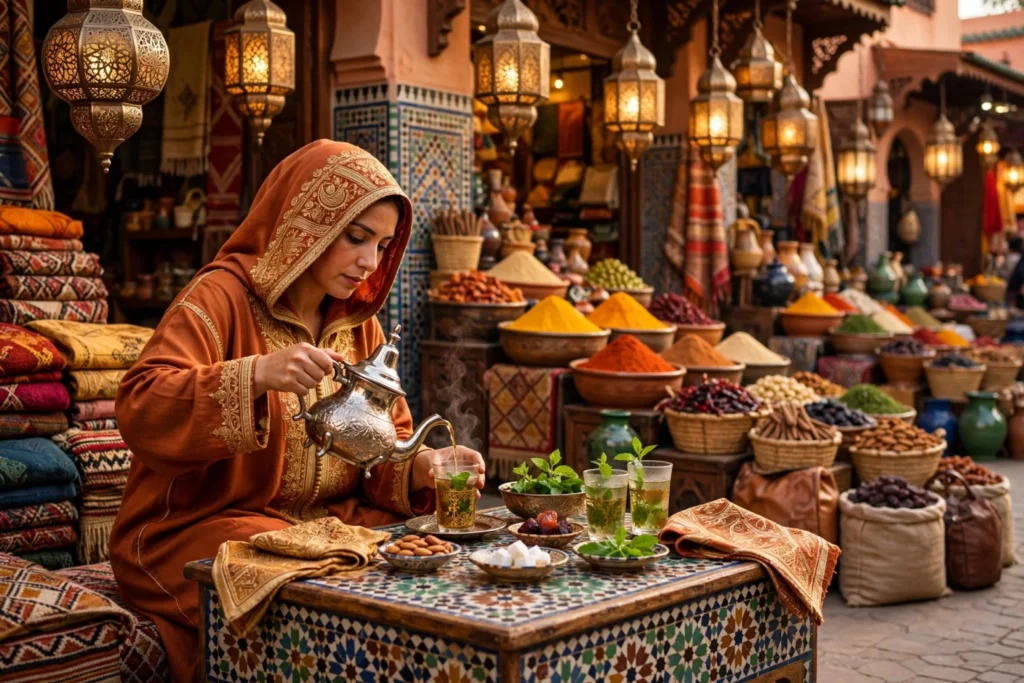
Planning a trip to Morocco and wondering if traditions are safe?
How much do they really cost?I spent 3 weeks in Marrakech, Fez, and Chefchaouen living with locals and trying every tradition. I paid $8 for Hammam, $5 for Henna, got free mint tea 20 times, and attended a real Berber wedding for $20.
This 2026 guide shows you 7 must-try Moroccan traditions, real prices, safety rules, and exactly where to experience them in Marrakech & Fez. No tourist traps.
Is Moroccan Culture Safe for Tourists? (My Experience)
Yes, 100% safe if you follow 3 rules that saved me $200 in scams:
• Never follow a “friendly” guy who says “my uncle has a shop”. Real hospitality is in riads, not streets.
• Book Hammam inside your riad ($8-15), not from touts ($30 fake).
• Say “La shukran” (no thanks) with a smile and walk away.
I tried all 7 traditions alone as a solo traveler – zero problems.
How Much Do Moroccan Traditions Cost? Real 2026 Prices
• Hammam $8-15 (real) vs $30 (scam)• Henna $3-8 vs $20
• Mint tea FREE
• Cooking class $25-35 vs $60
• Desert camp $30-50 vs $80
• Babouche $8-12 vs $25
• Djellaba $15-30 vs $50
Daily budget: $25-40 for 3 traditions
The Importance of Hospitality in Morocco
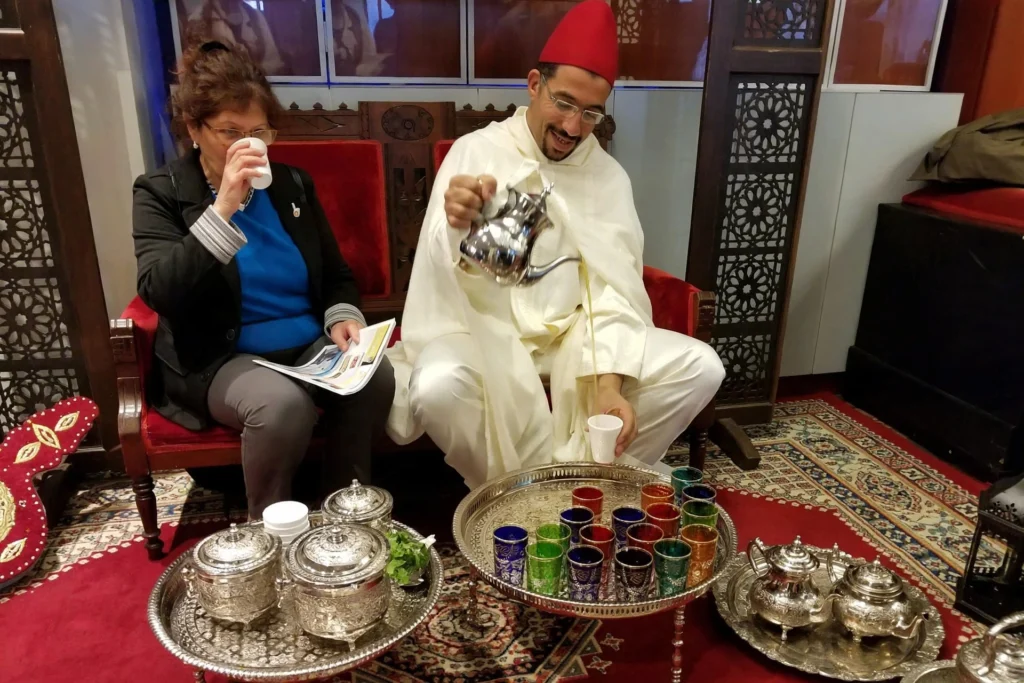
Cost: Mint tea free, but if they offer pastries, tip $1-2. Full home-cooked meal $10-15 if you’re invited.
One of the most admired Moroccan traditions is hospitality. Guests are treated with great respect, and welcoming visitors is considered an honor.
It is common for hosts to offer:
• Traditional Moroccan mint tea
• Fresh pastries
• Dates or sweets
• Home-cooked meals
Sharing food and conversation is an essential part of Moroccan daily life.
Family Values and Social Life
Family plays a central role in Moroccan society. Many families stay closely connected, and it is common for several generations to celebrate important events together.
Respect for parents and grandparents is highly valued, while family gatherings become especially lively during holidays and special occasions.
Traditional Moroccan Clothing
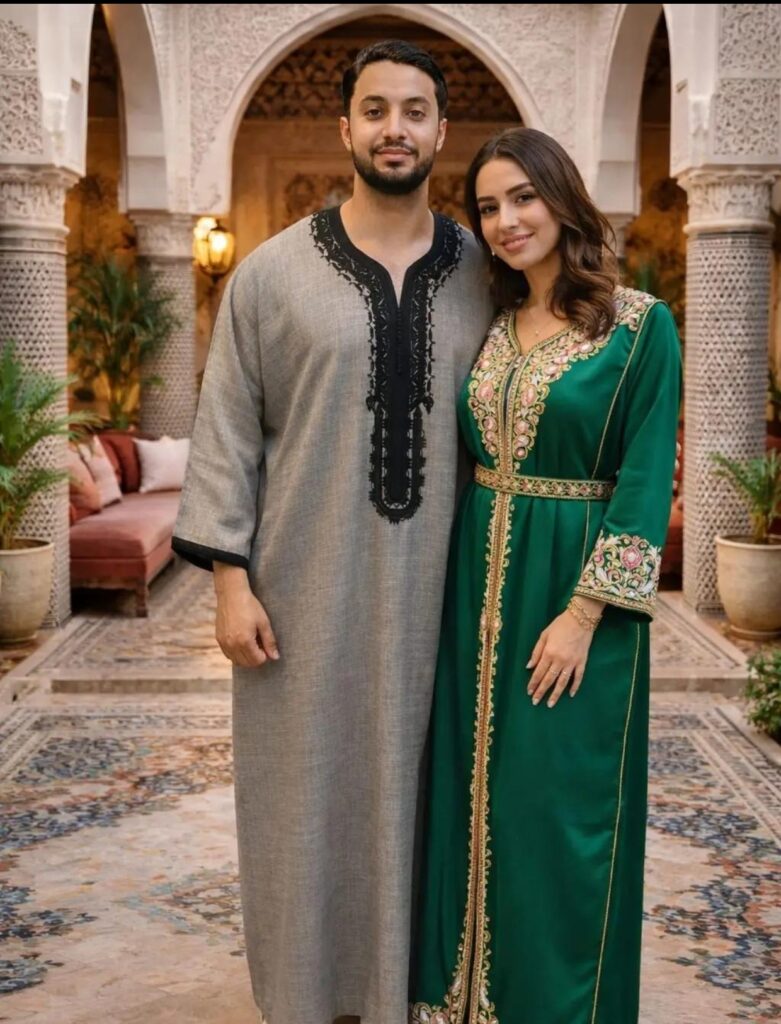
Where to buy: Fez medina Babouche $8-12 (ask for leather). Djellaba $15-30 after bargaining 50% off. Marrakech Souk is 20% more expensive than Fez.
Moroccan traditional clothing reflects centuries of history and craftsmanship.
Popular garments include:
• Djellaba – A long robe worn by both men and women.
Kaftan – An elegant dress often worn during weddings and celebrations.
• Babouche – Traditional handmade leather slippers.
• Tarboosh (Fez Hat) – A historic symbol of Moroccan heritage.
Traditional clothing remains popular during religious festivals, weddings, and cultural celebrations.
Moroccan Weddings
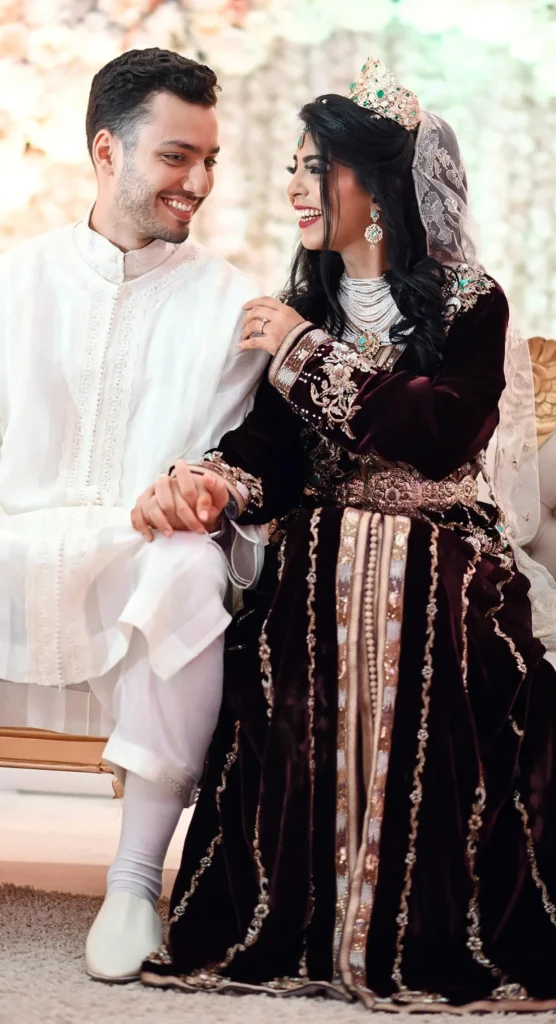
Cost to attend as tourist: If invited, gift $20. Henna for guests $3-5. Music and dancing free.
Moroccan weddings are colorful celebrations that often last several days.
Common wedding traditions include:
• Beautiful traditional outfits
• Henna ceremonies
• Live traditional music
• Dancing
• Lavish feasts
• Family celebrations
Each region of Morocco also has its own unique wedding customs.
Moroccan Cuisine
Food is an important part of Moroccan culture.
Some of the country’s most famous dishes include:
Tagine
Couscous
• Harira
• soup
• Pastilla
• Moroccan pastries
Meals are often shared with family and friends, emphasizing togetherness and generosity.
Music and Traditional Arts – Real Costs 2026
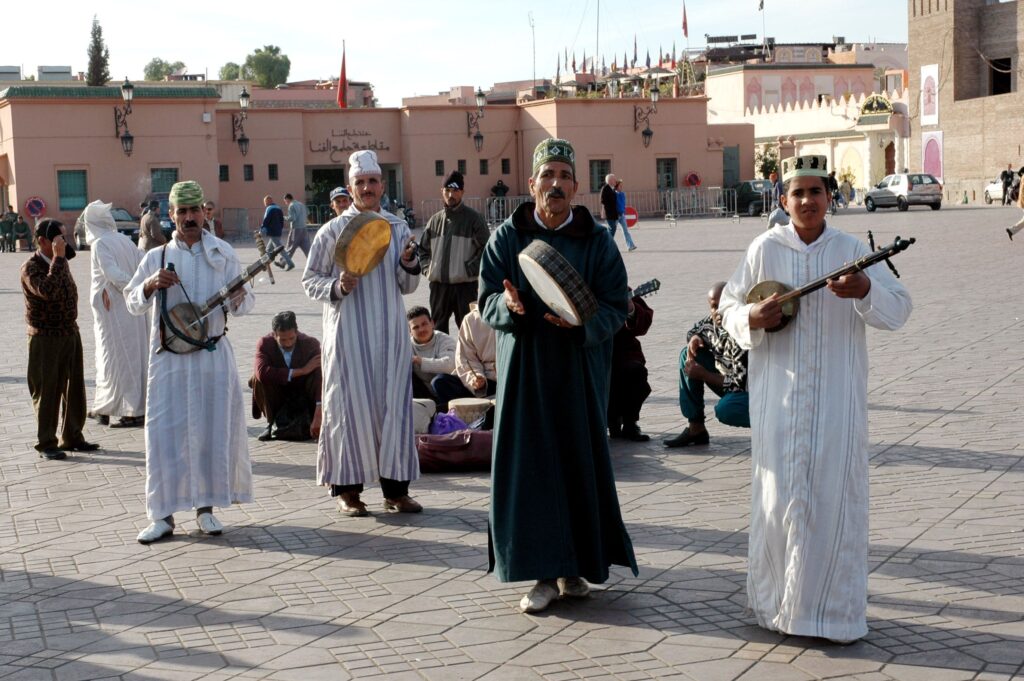
Gnawa music: FREE at Jemaa el-Fnaa square Marrakech 8pm-11pm every night. Concert $10 at Cafe Clock Fez.
Andalusian Music: FREE in Chefchaouen guesthouses. Concert $15 in Fez Batha Museum.
Chaabi wedding music: FREE if invited to wedding. Street performance tip $1-2.
Amazigh Folk Music: FREE in Atlas Mountains villages. Desert camp with music $30-50 per night includes dinner + music + fire.
Traditional dance: FREE at Jemaa el-Fnaa. Private show $20-30.
My tip: Best FREE music is Gnawa at Jemaa el-Fnaa 9pm – no need to pay. For authentic, go Cafe Clock Fez $10 every Thursday.
Daily music budget: $0-10 if you go to squares, $10-15 if you want concert.
Religious and Cultural Celebrations
Islam plays an important role in Moroccan daily life.
Major celebrations include:
• Ramadan
• Eid al-Fitr
• Eid al-Adha
• Mawlid (Prophet Muhammad’s Birthday)
These occasions bring families together through prayers, festive meals, and acts of charity.
Traditional Markets (Souks) – Real Prices 2026 & How to Bargain 50% Off
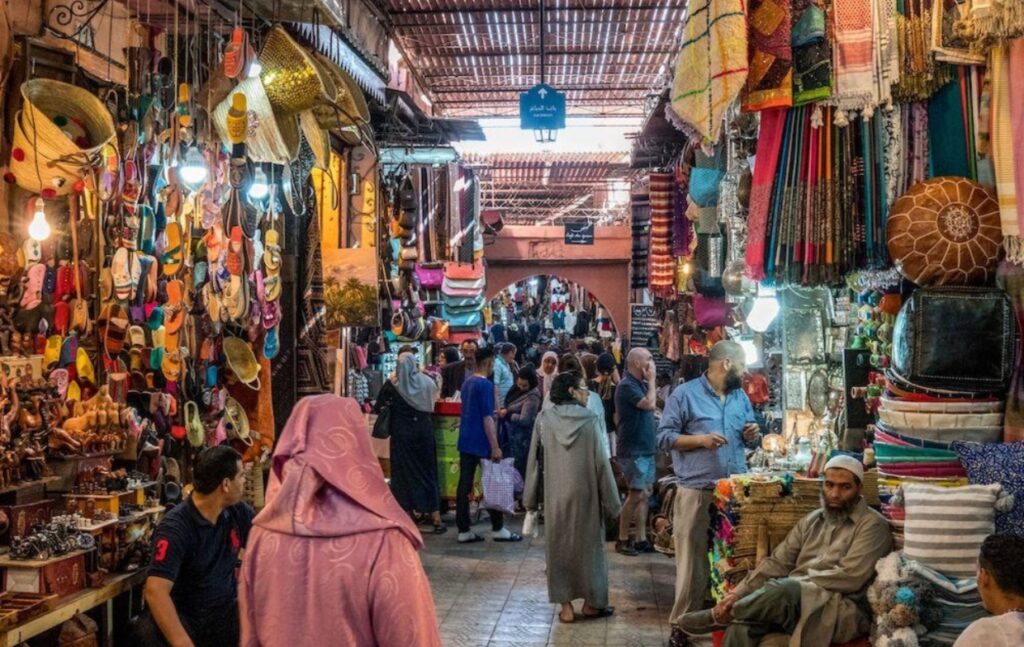
Fez cheaper than Marrakech 20%.
Real prices after bargaining:
• Handmade carpets: $100-300 (first price $600 – say 50% and walk away)
• Leather bag: $20-50 real vs $80 first price
• Ceramics plate: $5-15 real vs $30 first price
• Spices 100g: $2-5 real vs $10 first price
• Silver jewelry: $10-30 real vs $60 first price
• Babouche slippers: $8-12 real vs $25 first price
• Djellaba robe: $15-30 real vs $50 first price
• Lantern: $15-25 real vs $50 first price
Bargain rule: First price is 2x real. Say 50% of their price, then meet in middle at 60%. If they say no, walk away – they will call you back with real price.
Where cheapest:
• Fez Seffarine Square fixed price no bargain needed
• Marrakech main souk most expensive
Where I bought: Talaa Kbira street Fez – $10 babouche, $20 leather bag, no scam.
Daily souk budget: $20-40 and you bring 3 souvenirs.
Safety: Don’t follow tout who says “my uncle shop”. Go alone to shops with price tags.
Respect and Daily Etiquette
Visitors to Morocco will notice several cultural customs:
Greeting people politely.
Removing shoes before entering some homes.
•Accepting tea when offered.
Dressing respectfully when visiting religious or rural areas.
• Showing respect for local traditions.
These simple gestures are greatly appreciated by locals.
Why Moroccan Traditions Continue to Inspire Visitors
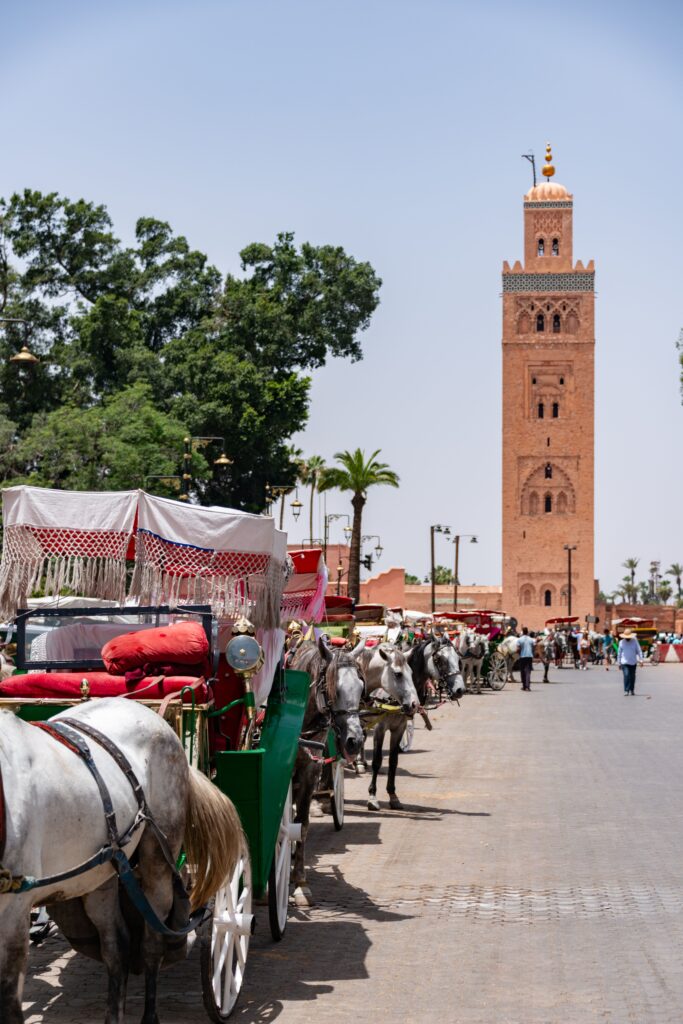
Morocco’s traditions reflect centuries of history, diversity, and cultural exchange. From welcoming hospitality and delicious cuisine to colorful festivals and timeless craftsmanship, every experience offers a deeper understanding of Moroccan identity.
Whether you’re wandering through ancient medinas, sharing mint tea with locals, or attending a traditional celebration, Morocco leaves visitors with unforgettable memories.
Frequently Asked Questions
What are the most famous traditions in Morocco?
Moroccan hospitality, mint tea ceremonies, traditional clothing, weddings, family gatherings, and vibrant markets are among the country’s best-known traditions.
What is traditional Moroccan clothing?
Traditional Moroccan clothing includes the djellaba, kaftan, babouche slippers, and the traditional fez hat.
Why is Moroccan mint tea important?
Mint tea symbolizes hospitality, friendship, and generosity. Serving tea is one of Morocco’s most cherished customs.
Is Morocco rich in cultural diversity?
Yes. Morocco combines Arab, Amazigh (Berber), African, Andalusian, and Mediterranean influences, making it one of the most culturally diverse countries in North Africa.