
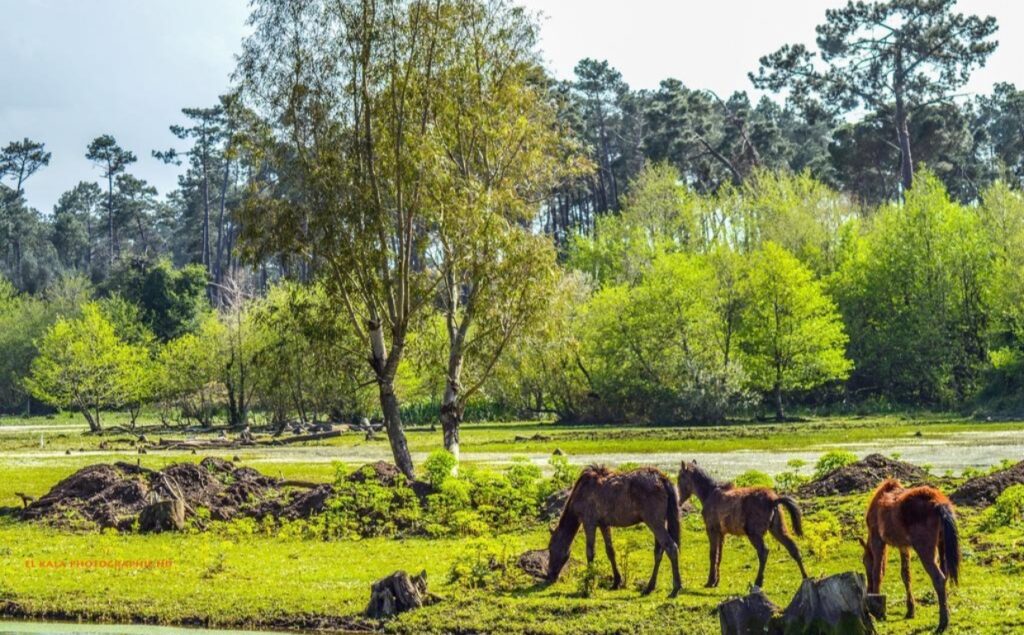
Introduction
Algeria is one of the most geographically diverse countries in North Africa. Its landscapes stretch from the Mediterranean coast to mountain forests, high plateaus and the Sahara, creating habitats for a wide variety of wildlife.
Although Algeria is not traditionally marketed as a major wildlife-tourism destination, nature lovers can discover birds, mammals and other species across its different ecosystems.
For travelers interested in nature, the country’s national parks, forests and protected areas offer an opportunity to experience a side of Algeria that is often overlooked.
1. Discover Algeria’s Mediterranean Wildlife
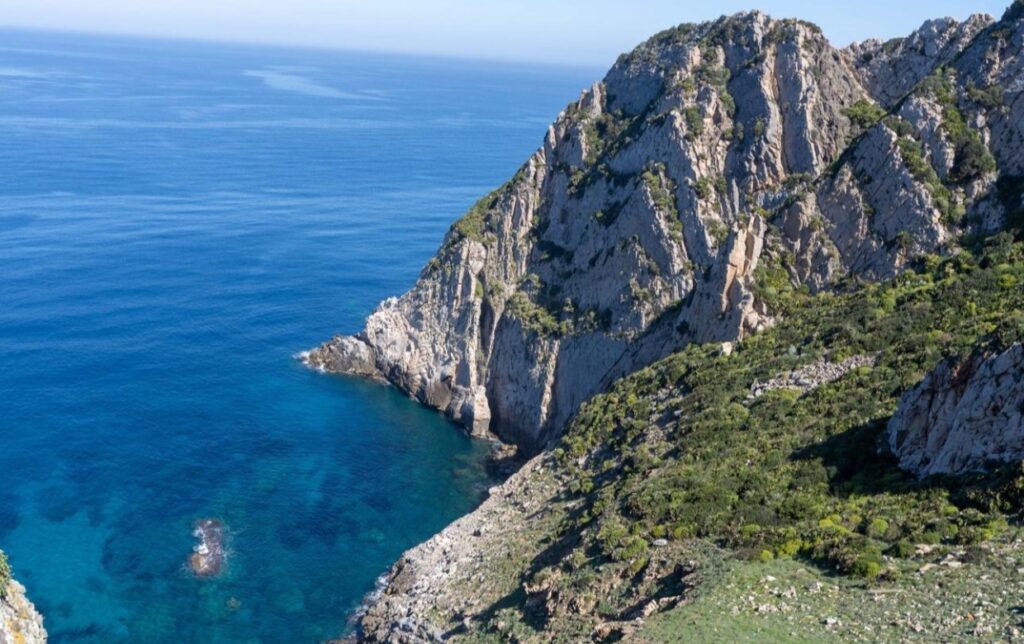
Northern Algeria combines Mediterranean coastline, forests and wetlands that provide habitats for many species of birds and other wildlife.
The region is especially interesting for travelers who enjoy combining nature observation with coastal sightseeing.
What Can You Look For?
• Mediterranean bird species
• Forest wildlife
• Coastal habitats
• Wetland birds
• Native vegetation
2. Explore Chréa National Park
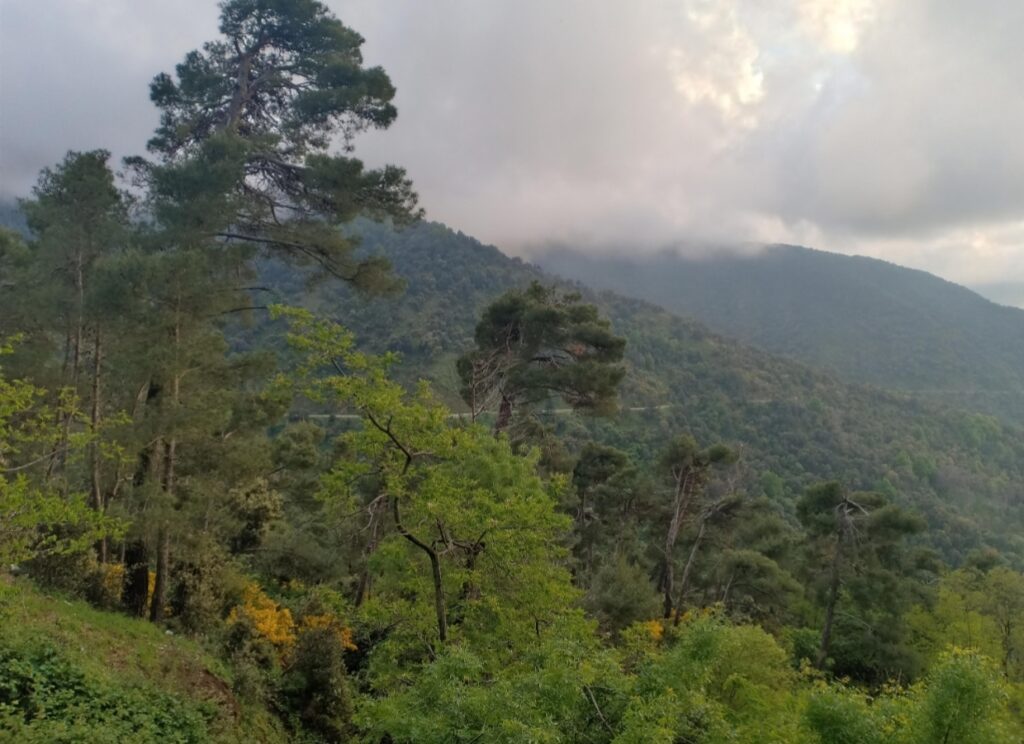
Located in the northern mountains, Chréa National Park is known for its forests and mountain environment.
Its natural landscapes provide opportunities to experience Algeria’s woodland ecosystems away from the country’s major urban centers.
For visitors, the park can be combined with hiking, photography and nature observation.
3. Wildlife in the Djurdjura Mountains
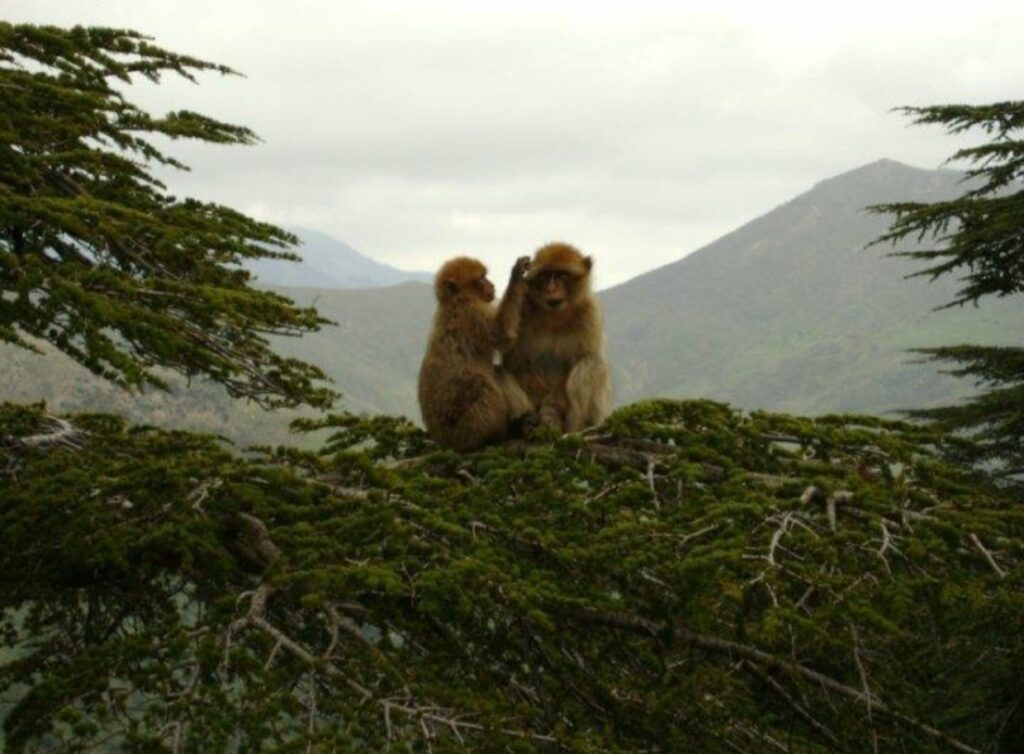
The Djurdjura Mountains are among Algeria’s most important mountain landscapes.
Forests, rocky terrain and high elevations create different habitats within a relatively compact region.
Nature enthusiasts can explore the area while looking for birds and other native species.
Best Way to Experience the Region
The best approach is to combine a nature visit with responsible hiking and photography rather than expecting a traditional safari-style experience.
4. Explore Wetlands and Birdlife
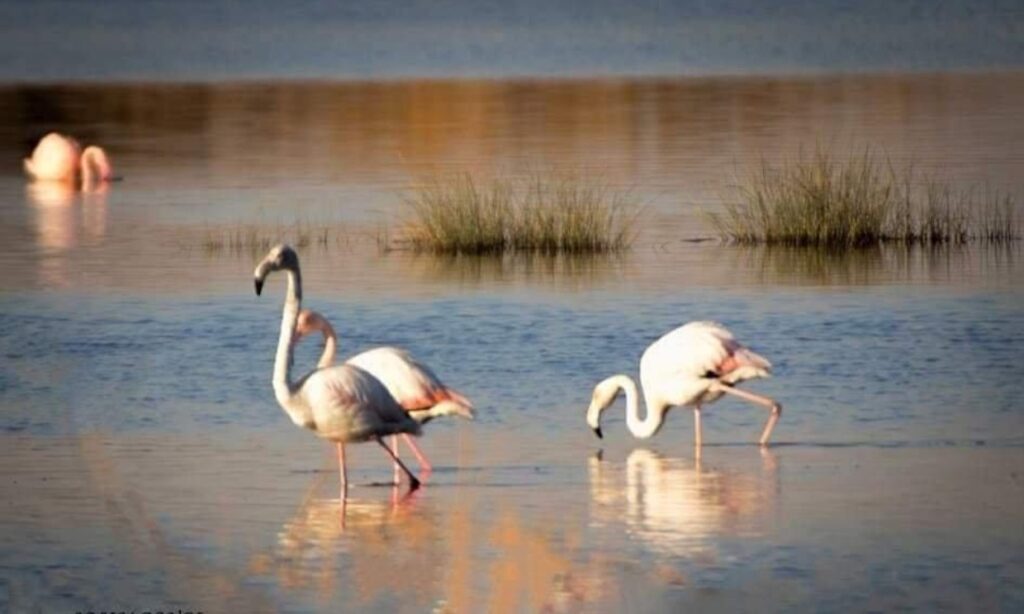
Algeria’s wetlands are particularly important for birdlife.
Lakes, marshes and coastal wetlands can attract resident and migratory birds, making them interesting locations for birdwatching.
Why Visit Wetlands?
Wetland environments can offer a completely different experience from Algeria’s mountains and desert.
They are especially interesting during periods when migratory birds pass through North Africa.
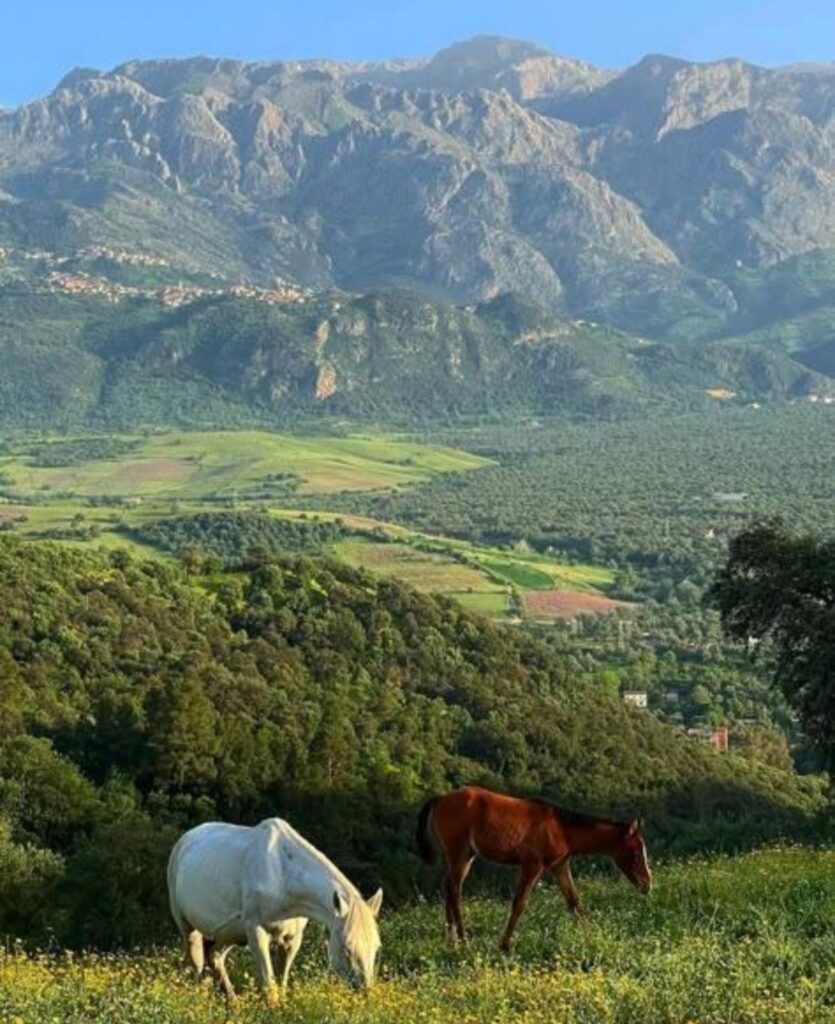
The Aurès Mountains offer rugged landscapes, valleys and natural habitats in eastern Algeria.
The region is an interesting destination for travelers who want to combine cultural exploration with nature.
Its landscapes also demonstrate how dramatically Algeria’s environment changes between different parts of the country.
6. Algeria’s Desert Ecosystems
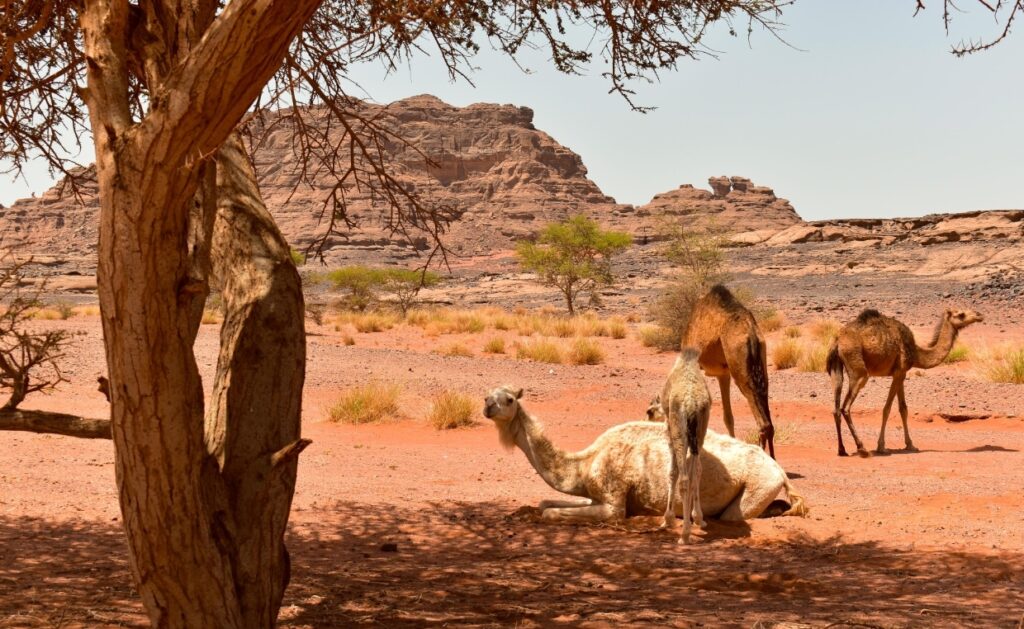
The Sahara may look empty at first glance, but it supports wildlife adapted to extreme conditions.
Desert animals have developed ways to cope with heat, limited water and large temperature differences between day and night.
This makes the Sahara an important example of adaptation to one of the world’s harshest environments.
7. What Animals Can Be Found in Algeria?
Algeria’s wildlife varies greatly by region.
Depending on the habitat, visitors may encounter different mammals, birds and reptiles.
Examples Include
• Barbary macaques
• Fennec foxes
• Desert-adapted mammals
• Gazelles
• Birds of prey
• Migratory birds
• Various reptiles
Wild animals are not guaranteed to appear during a visit, so patience and responsible observation are important.
8. Best Time for Wildlife Watching in Algeria
The best time depends on the region and species you want to observe.
Northern Algeria
Spring and autumn can be pleasant for exploring forests, wetlands and coastal habitats.
Sahara
The cooler months are generally more comfortable for outdoor exploration than the hottest summer period.
Birdwatching
Seasonal migration can make certain periods particularly interesting for bird enthusiasts.
Responsible Wildlife Tourism
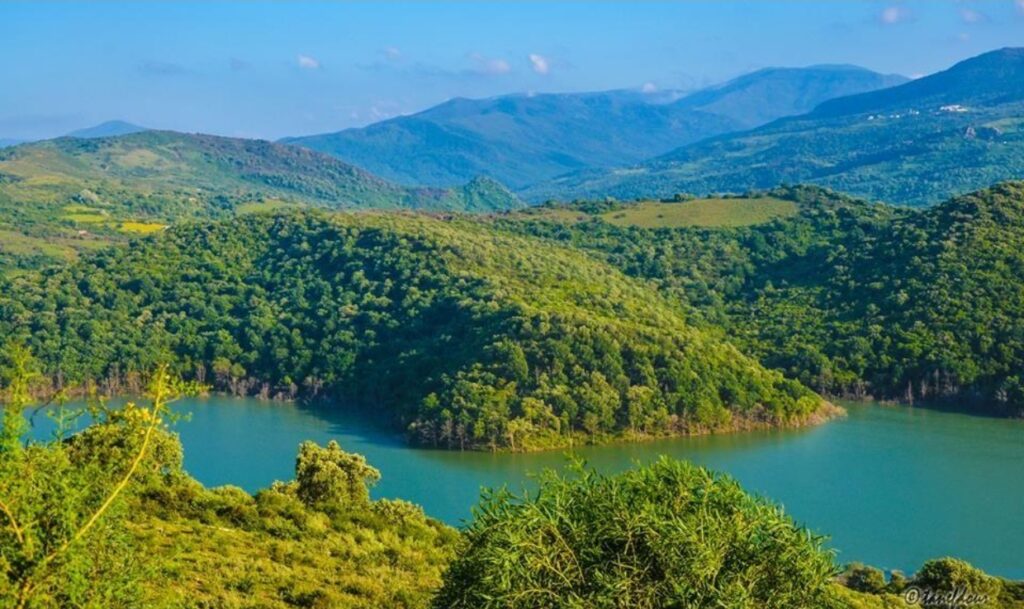
Wildlife tourism should always prioritize the protection of animals and their habitats.
Follow These Rules
• Keep a safe distance from animals.
• Never feed wild animals.
• Avoid disturbing nests.
• Do not remove plants or natural objects.
• Follow protected-area regulations.
• Take all rubbish with you.
• Avoid making unnecessary noise.
Responsible behavior helps preserve Algeria’s natural heritage for future visitors.
10. How to Plan a Nature Trip in Algeria
A successful wildlife trip starts with choosing the right region.
If you are interested in forests, consider northern mountain areas.
For birds, wetlands and coastal habitats may be more appropriate.
For desert ecosystems, southern Algeria offers a completely different environment.
Before visiting remote areas, research transportation, access requirements, local conditions and available guides.
FAQs
Is Algeria good for wildlife tourism?
Algeria is not a traditional mass-market safari destination, but its diverse ecosystems offer interesting opportunities for wildlife and nature enthusiasts.
What animals can you see in Algeria?
Depending on the region, wildlife includes fennec foxes, gazelles, Barbary macaques, birds of prey, migratory birds and various reptiles.
Where can I see nature in Algeria?
Northern forests, wetlands, the Djurdjura and Aurès Mountains and the Sahara all offer different natural environments.
What is the best season for wildlife watching?
Spring and autumn can be comfortable for many northern areas, while the cooler months are generally preferable for exploring the Sahara.
Can I photograph wild animals?
Yes, but wildlife should always be photographed from a safe distance without disturbing or feeding the animals.
Conclusion
Algeria’s wildlife and natural environments deserve more attention from travelers.
From Mediterranean wetlands and northern forests to the Djurdjura and Aurès Mountains and the vast Sahara, the country contains a remarkable variety of ecosystems.
nature-focused trip does not have to mean a traditional safari. Algeria is better experienced through a combination of protected areas, responsible wildlife observation, photography, hiking and cultural exploration.
Related Travel Guides
• Hiking in Algeria: Best Mountains, Trails & Outdoor Adventures
• Best Beaches in Algeria: Top Coastal Destinations
• Best Time to Visit Algeria: Complete Seasonal Travel Guide
• Sahara Desert Adventures in Algeria: Complete Travel Guide