
Introduction
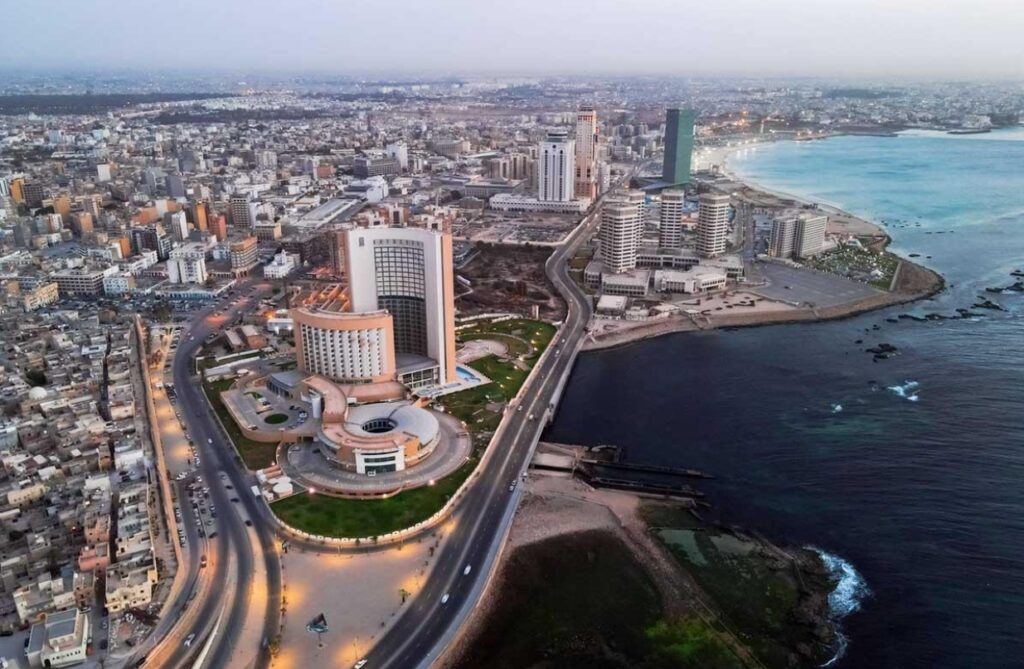
Tripoli, the capital of Libya, is one of North Africa’s oldest cities and an important gateway to the country’s historical landmarks and Mediterranean coastline. Although public transportation is not as developed as in some neighboring countries, getting around Tripoli is still relatively straightforward for visitors who understand the available options.
Most tourists rely on taxis and walking, while private transportation is often the most comfortable choice for airport transfers and sightseeing.
This guide explains everything travelers should know before moving around Tripoli.
Tripoli Transportation Cost 2026: Prices in LYD & USD
All prices updated for 2026.
- Taxi shared Tripoli: from 2 LYD ($0.40) to 5 LYD ($1) per ride
- Taxi private: from 10 LYD ($2) to 30 LYD ($6) short ride
- Bus public: from 1 LYD ($0.20) to 2 LYD
- Taxi Airport to Downtown: from 50 LYD ($10) to 80 LYD ($16)
- Car rental with driver: from 150 LYD ($30) per day
- Total daily transport budget in Tripoli: from 20 LYD ($4) to 60 LYD ($12) 2026
Is Tripoli Easy to Get Around?
Yes, but transportation is different from many other North African capitals.
Visitors mainly depend on:
• Walking
• Taxis
• Private drivers
• Rental cars
• Airport transfers
Unlike Cairo or Tunis, Tripoli does not have a metro or tram system.
Walking Around Tripoli
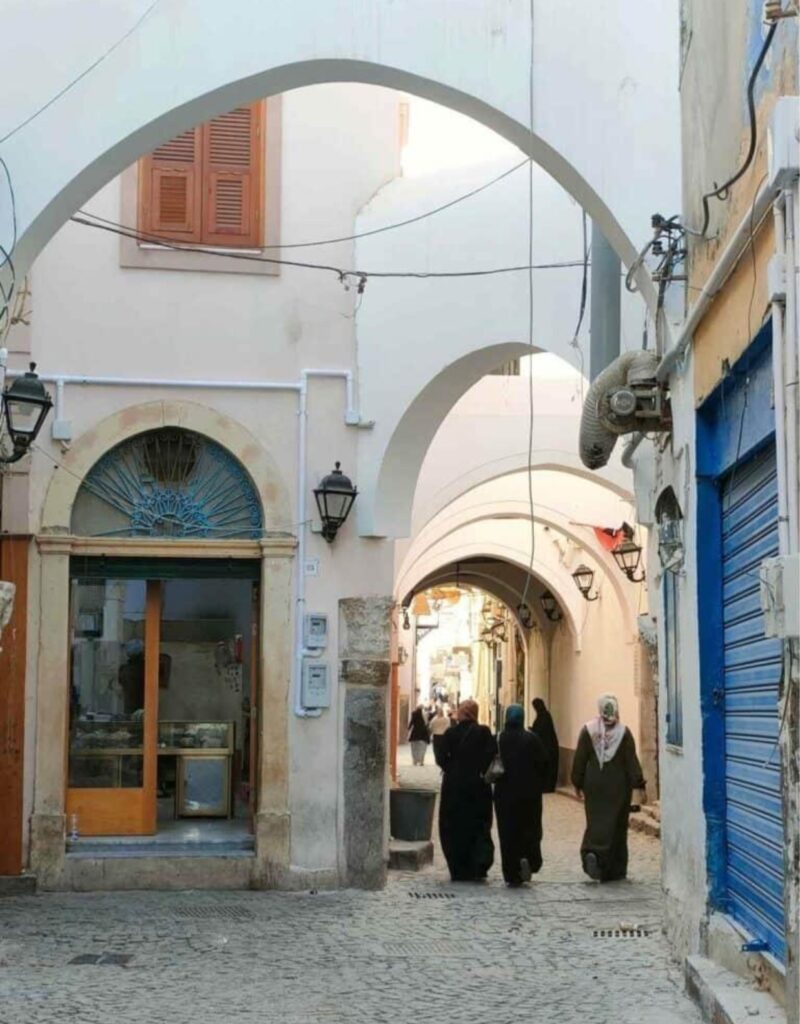
Walking is one of the best ways to discover central Tripoli.
Popular walking areas include:
• The Old Medina
• Martyrs’ Square
• Ottoman streets
• Traditional markets
• The Corniche
Many historical attractions are located close together.
Walking also allows visitors to experience local architecture and daily life.
Comfortable shoes are recommended, especially inside the old city where streets are narrow and uneven.
Taxis in Tripoli
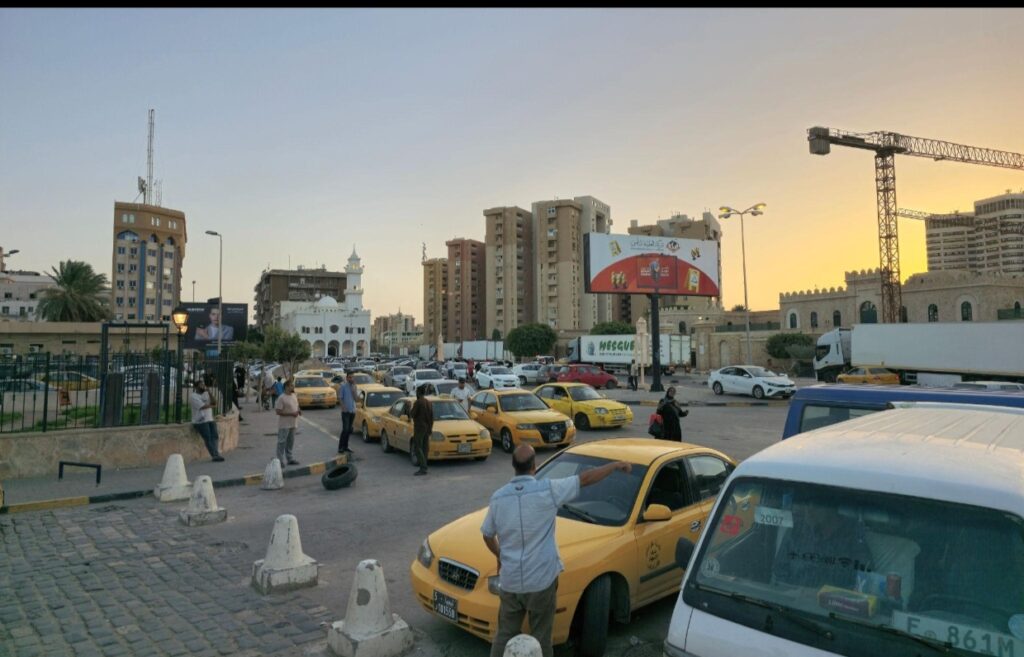
Taxis are the most common transportation option for visitors.
Advantages
• Easy to find
• Convenient
• Suitable for short and medium distances
• Available throughout the city
Many locals use taxis for daily transportation.
Visitors should agree on the fare before beginning the journey whenever possible.
Private Drivers
Many hotels can arrange private transportation.
Private drivers are useful for:
• Full-day sightseeing
• Business travelers
• Families
• Airport transfers
Although more expensive than taxis, they provide greater comfort and flexibility.
Rental Cars
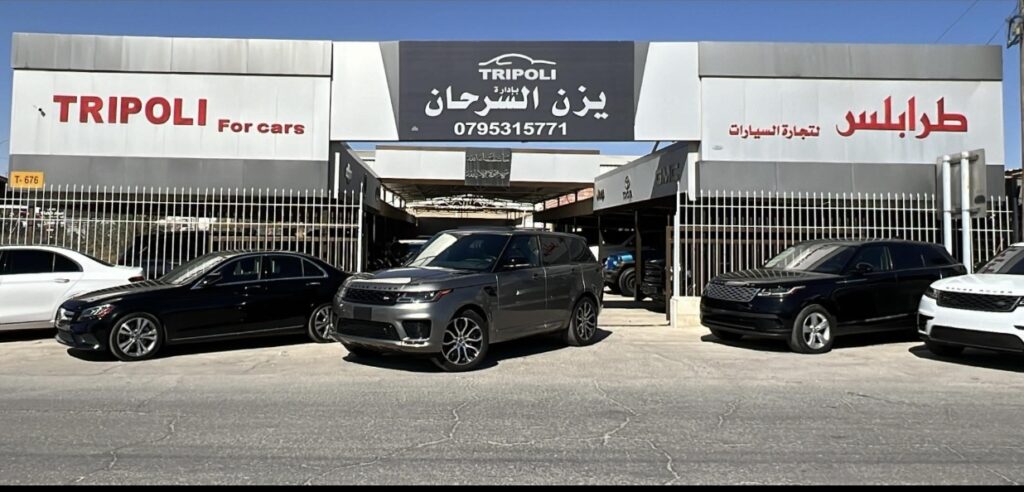
Some visitors choose to rent a car.
A rental vehicle is useful if you plan to visit:
• Leptis Magna
• Sabratha
• Coastal towns
• Desert areas
Driving inside central Tripoli can be busy during peak traffic hours, so many tourists prefer taxis within the city.
Airport Transportation
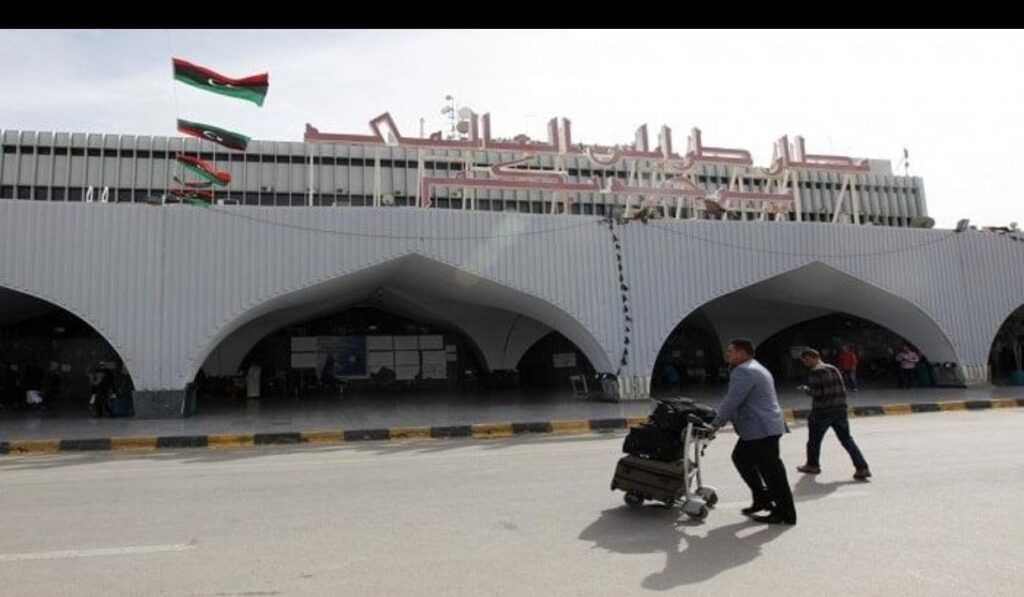
Mitiga International Airport serves Tripoli.
Visitors can travel between the airport and downtown using:
• Airport taxis
• Hotel transfers
• Private transportation
Booking airport transportation in advance is often the easiest option.
Getting from the Airport to the City
The airport is located relatively close to central Tripoli.
Most visitors choose:
• Official airport taxi
• Hotel transportation
• Private drivers
Travel time depends on traffic conditions.
Public Transportation
Tripoli has public buses and shared transportation used mainly by local residents.
While inexpensive, they may not always be the easiest option for international visitors because schedules and routes are limited.
For most tourists, taxis remain the simplest solution.
Getting to Tripoli’s Top Attractions
Tripoli’s main attractions are spread across the city center, making transportation relatively simple.
Old Medina
The historic Medina is best explored on foot. Narrow alleyways, traditional markets, and centuries-old buildings create an atmosphere that cannot be experienced from inside a vehicle.
Martyrs’ Square
Located in the heart of the city, Martyrs’ Square is easily reached by taxi or a short walk from many central hotels.
Red Castle Museum
The Red Castle (Assaraya Alhamra) sits beside Martyrs’ Square, making it easy to combine both attractions during the same visit.
Tripoli Corniche
The Corniche is ideal for an evening walk. Many visitors take a taxi to the waterfront before exploring the area on foot.
Arch of Marcus Aurelius
This Roman monument is located close to the Medina and is easily accessible by walking.
Transportation Costs in Tripoli
Transportation costs are generally affordable.
Transportation Average Cost
Walking Free
Taxi Affordable
Private Driver Moderate
Rental Car Higher
Airport Transfer Moderate to High
Cash is usually the preferred payment method.
Best Transportation for Different Situations
Exploring Historic Areas
Walking is the best choice.
Hotel to Attractions
Taxis offer the easiest solution.
Airport Transfers
Private transportation or hotel transfers provide the most convenient experience.
Day Trips Outside Tripoli
Rental cars or private drivers are recommended.
Safety Tips When Using Transportation
Although transportation is generally straightforward, visitors should follow a few simple precautions.
•Use official taxis whenever possible.
• Agree on the fare before starting the trip if no meter is available.
• Carry small cash.
• Keep your hotel address saved on your phone.
• Avoid unnecessary travel late at night if you are unfamiliar with the area.
Useful Apps
These apps can make traveling easier.
• Google Maps
• Maps.me
• Google Translate
• Booking.com
Offline maps are highly recommended.
Common Mistakes Tourists Make
Avoid these common transportation mistakes.
• Assuming public buses operate like those in Europe.
• Not carrying enough cash.
• Walking long distances during the hottest hours.
• Forgetting to save hotel locations.
• Using unofficial transportation services.
Suggested Three-Day Transportation Plan
Day 1
Walk through the Old Medina.
Visit the Red Castle Museum.
Explore Martyrs’ Square.
Day 2
Taxi to the Corniche.
Visit local museums.Explore nearby restaurants.
Day 3
Private driver to Leptis Magna or Sabratha.
Return to Tripoli in the evening.
Frequently Asked QuestionsIs
Tripoli easy to explore without a car?
Yes. Most visitors use taxis and walking.
Are taxis available everywhere?
Yes. Taxis are the primary transportation option throughout the city.
Is public transportation good for tourists?
Public buses mainly serve local residents and may not be the easiest option for international visitors.
Is renting a car necessary?
Only if you plan to travel outside Tripoli.
Is walking safe?
Walking is suitable in central tourist areas during daylight hours.
How far is the airport from downtown?
Mitiga International Airport is located relatively close to the city center, making transfers convenient.
Should I book airport transportation in advance?
Yes, especially if arriving late or traveling with luggage.
What is the easiest way to visit Leptis Magna?
Hiring a private driver or joining an organized tour is the most convenient option.
Conclusion
Getting around Tripoli is straightforward once you understand the available transportation options. Walking remains the best way to experience the city’s historic center, while taxis provide convenient access to museums, hotels, and the waterfront. For destinations outside the capital, private transportation or rental cars offer greater flexibility. With a little planning, visitors can comfortably explore one of North Africa’s oldest and most fascinating capitals.