
Introduction
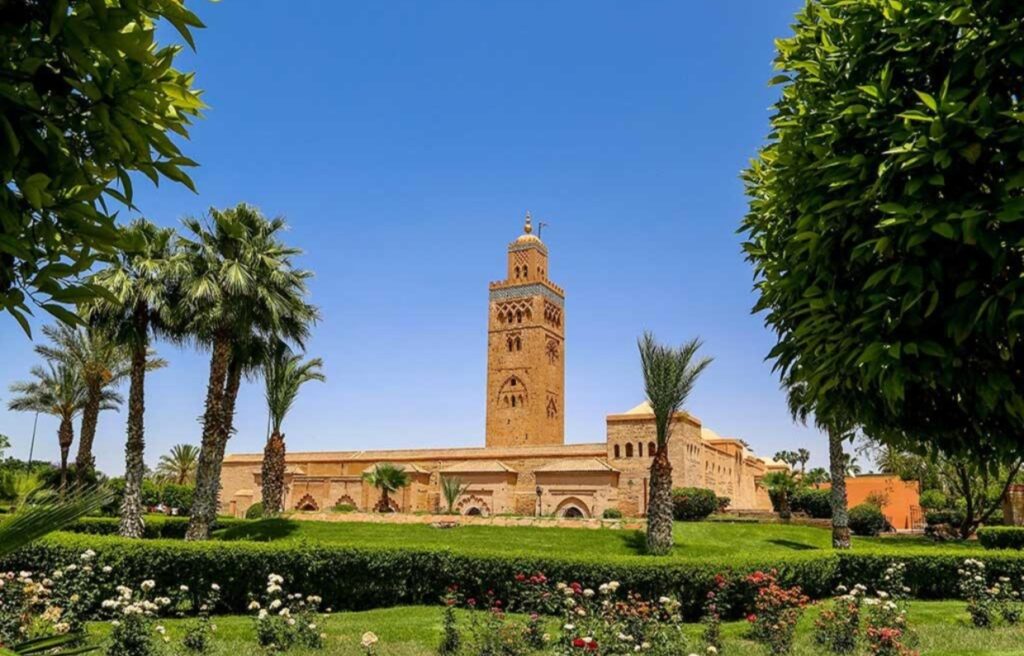
Morocco has become one of North Africa’s most prominent tourism destinations through a combination of long-term planning, international promotion, improved connectivity, investment and a diverse tourism offer. Its strategy brings together historic cities, cultural heritage, beaches, nature, desert landscapes, gastronomy and local crafts into a broad destination experience.
The country’s recent tourism figures show the scale of this development. Morocco recorded 17.4 million tourist arrivals in 2024, an increase of 20% compared with 2023. The figure also exceeded the initial target of 17 million visitors set for 2026. According to Morocco’s government, the 2024 total included 8.8 million foreign tourists and 8.6 million arrivals by Moroccans living abroad.
Morocco’s Tourism Growth in Numbers
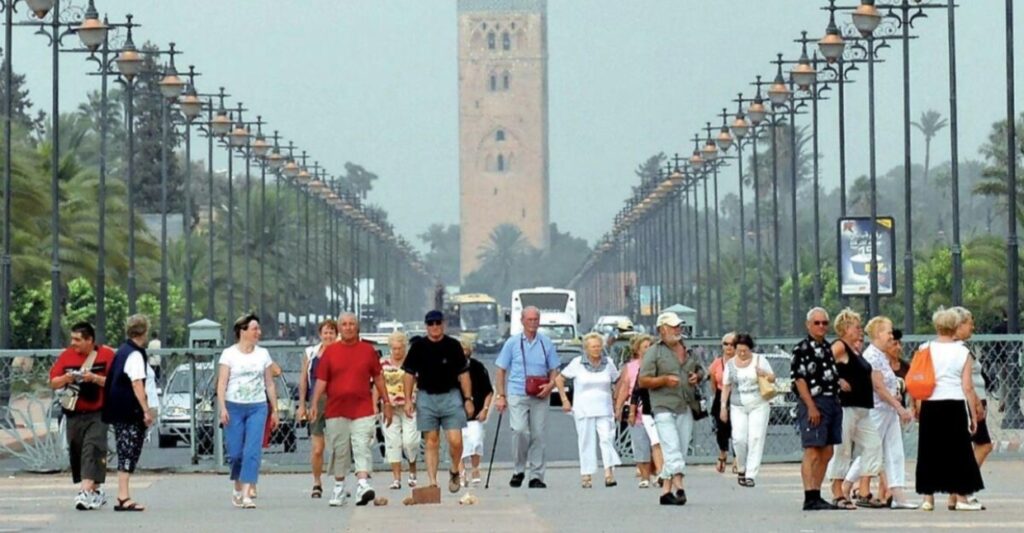
Morocco’s tourism growth can be seen clearly in recent official statistics. In 2024, the country recorded 17.4 million tourist arrivals. Foreign tourist arrivals increased by 23% compared with 2023, while arrivals by Moroccans living abroad increased by 17%.
The 2024 results show how quickly Morocco’s tourism sector has expanded in recent years. However, international tourism statistics can use different definitions and methodologies between countries, so direct comparisons should always take the measurement method and year into account.
A Clear National Tourism Strategy
One important feature of Morocco’s tourism development is its national tourism strategy. The Tourism Roadmap 2023–2026 was officially established in 2023 and set objectives including attracting 17.5 million tourists, creating 200,000 new jobs and generating 120 billion Moroccan dirhams in foreign-exchange earnings by 2026.
The roadmap focuses on the visitor experience and organizes Morocco’s tourism offer around nine thematic sectors and five cross-cutting sectors. It also identifies air connectivity, promotion, investment, entertainment and hotel capacity among the main competitiveness measures.
Strong International Tourism Promotion
Morocco has also developed a broad international tourism promotion strategy. The Moroccan National Tourist Office presents the country through different themes, including culture, nature, beaches, shopping, sport, wellness, gastronomy and heritage. This allows Morocco to promote several types of travel experiences rather than relying on one tourism product.
The official tourism platform also presents a wide selection of destinations, including Marrakech, Fez, Rabat, Casablanca, Tangier, Chefchaouen, Essaouira, Agadir and desert regions. This broad destination portfolio helps present Morocco as a country with different experiences for different types of travelers.
Better Air Connectivity
Air connectivity is another part of Morocco’s tourism strategy. The 2023–2026 Tourism Roadmap identifies increasing air capacity and strengthening domestic and international point-to-point connections as one of its key competitiveness measures.
The Moroccan tourism website also highlights new airline routes and partnerships. Better connectivity can make it easier for international visitors to reach Morocco and can support tourism development across a wider range of destinations.
Investing in Tourism Infrastructure
Tourism growth requires more than marketing. Hotels, transport, entertainment facilities and other visitor services are also important. Morocco’s Tourism Roadmap includes consolidating the hotel offering, upgrading existing facilities and creating additional capacity as one of its key measures.
The roadmap also connects tourism development with investment and employment. By combining tourism promotion with investment measures and public-private cooperation, Morocco has created a national framework designed to expand the sector beyond individual destinations.
A Diverse Tourism Offer
Morocco’s tourism offer is not based on one attraction or one type of traveler. The country promotes historic cities, medinas, cultural heritage, beaches, mountains, rural landscapes, desert destinations, gastronomy, shopping and wellness.
This diversity allows visitors with different interests to find different experiences within the same country. A traveler interested in history can explore medinas and heritage sites, while another may focus on nature, coastal destinations, food, shopping or desert landscapes.
Morocco’s Cultural Heritage as a Tourism Asset
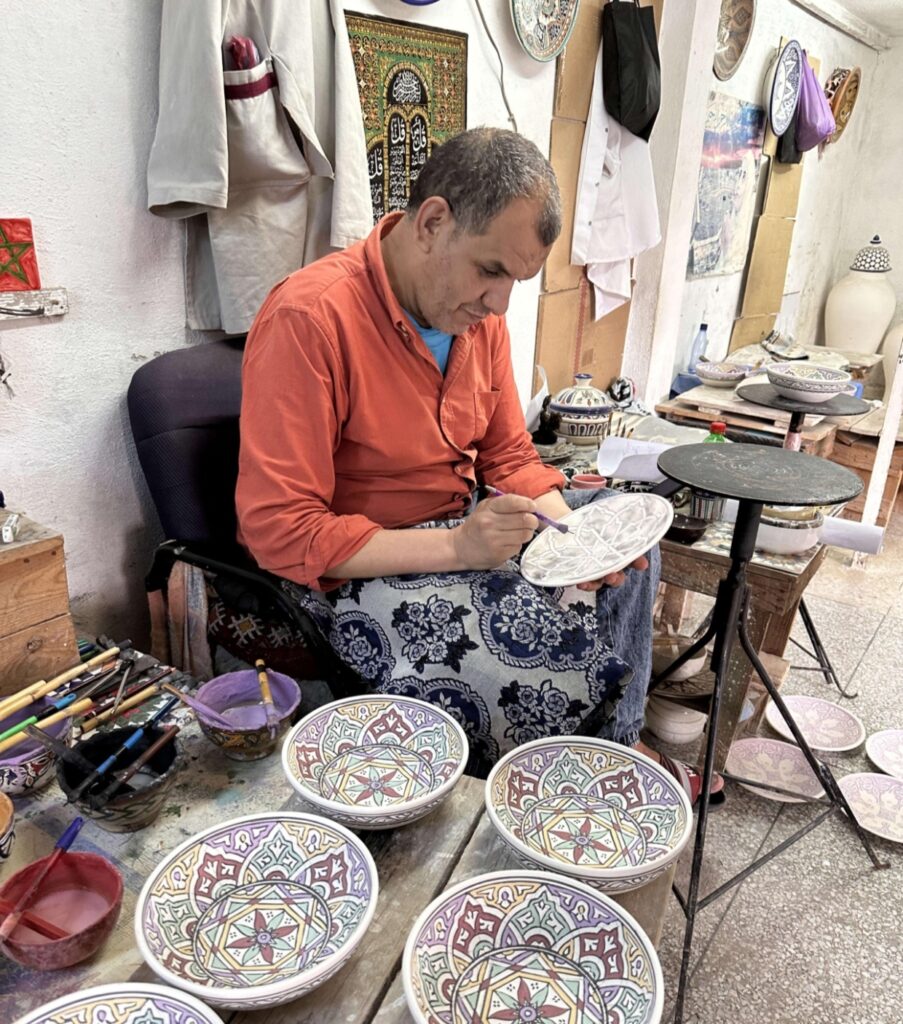
Culture plays an important role in Morocco’s tourism identity. The official tourism platform promotes medinas, historic architecture, traditional crafts, gastronomy, local products and cultural traditions as important parts of the visitor experience.
Morocco’s historic cities provide a particularly strong cultural tourism offer. Marrakech, Fez, Rabat, Meknes, Tetouan and other destinations are promoted for their architecture, medinas, history and cultural heritage.
Cities, Coast, Mountains and Desert
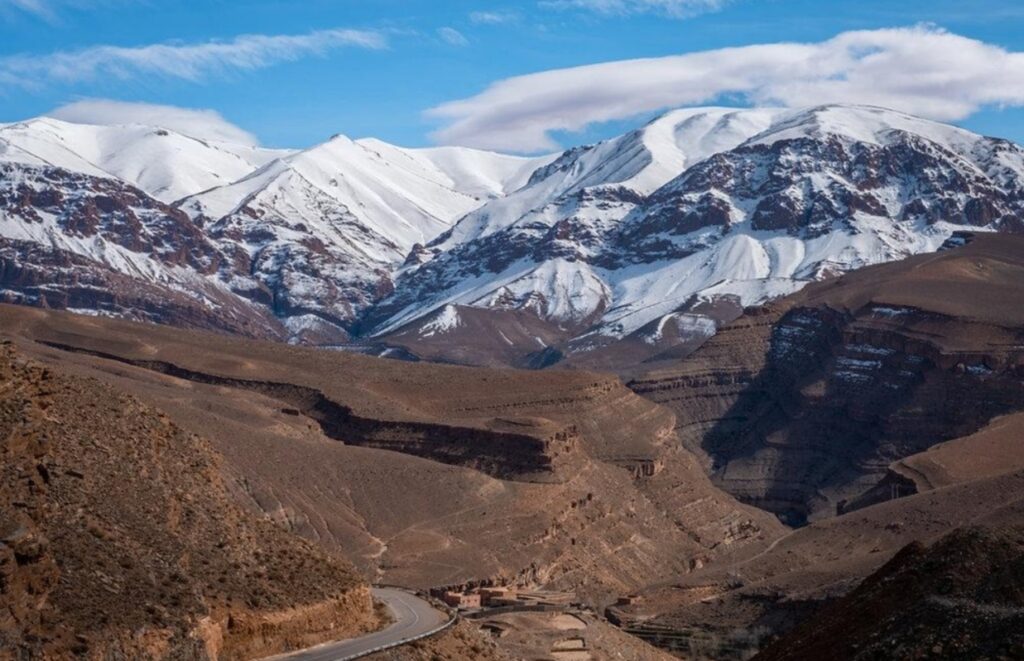
Geographical diversity is another important part of Morocco’s tourism offer. The country has Mediterranean and Atlantic coastlines, mountain ranges, plains and desert landscapes. The Moroccan National Tourist Office presents these different environments as part of the country’s tourism identity.
The official destination platform groups places into categories such as nature and rural heritage, beaches and leisure, medinas and beaches, and cultural heritage. Destinations include Chefchaouen, the Errachidia-Midelt-Merzouga region, Agadir, Dakhla, Tangier, Essaouira, Rabat, Fez and Marrakech.
Desert Tourism as Part of the National Offer
Morocco has also developed desert tourism as part of its broader destination offer. The official tourism office promotes areas such as Merzouga, Zagora and Agafay, combining desert landscapes with accommodation, local culture and outdoor experiences.
This gives Morocco another tourism environment alongside its cities, mountains and coastline. The combination of different landscapes allows the country to offer varied travel experiences within a relatively compact tourism market.
The Role of Investment and Public-Private Cooperation
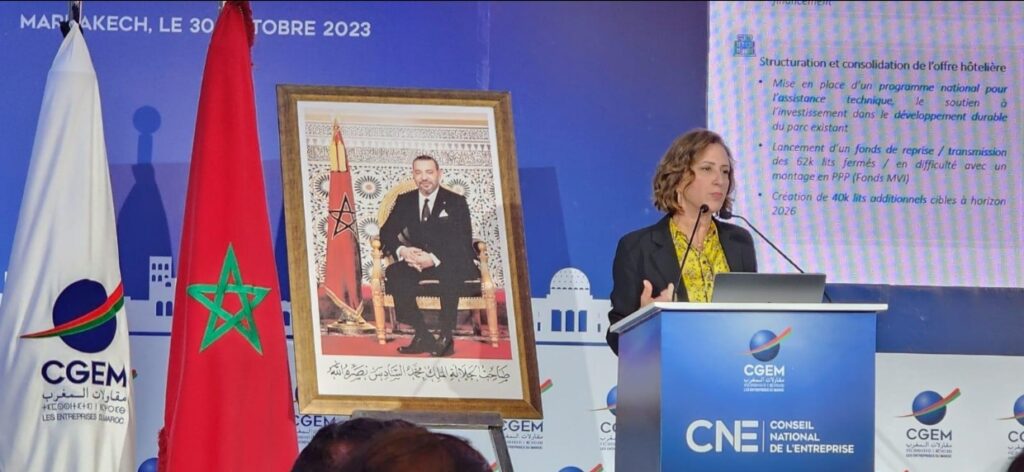
Morocco’s Tourism Roadmap was developed with consultation from private-sector stakeholders and places importance on cooperation between public institutions and tourism businesses. Its objectives include attracting investment, improving tourism infrastructure and developing new tourism experiences.
This approach treats tourism as a broader economic sector rather than simply a promotional activity. Hotels, airlines, tour operators, restaurants, attractions, local producers and other businesses all contribute to the tourism ecosystem.
Responding to Changing Traveler Interests
Tourism markets change over time, and Morocco’s strategy increasingly emphasizes experiences and different visitor interests. The official roadmap covers several tourism sectors while also highlighting gastronomy, festivals, handicrafts and other elements that can enrich the visitor experience.
The official tourism website reflects this approach by presenting culture, nature, beaches, shopping, sport, wellness and gastronomy as different ways to experience Morocco.
Morocco’s Tourism Development in the North African Context
Morocco’s tourism development is part of a wider North African tourism landscape that includes countries with different tourism models, resources and market conditions. Morocco’s recent growth should therefore be understood through its own tourism policies, infrastructure, products and international connections rather than through a simple comparison with neighboring countries.
Its 2023–2026 Tourism Roadmap, destination promotion, connectivity strategy, investment framework and diversified tourism offer provide a clear framework for understanding how Morocco has expanded its tourism sector.
Challenges Morocco Still Faces
Rapid tourism growth also creates challenges. Increasing visitor numbers requires continued investment in accommodation, transport, infrastructure, human resources and destination management. Sustainable development is also important because tourism depends on cultural heritage, natural landscapes and local communities.
The challenge is therefore not only to attract more visitors, but also to maintain service quality and manage tourism growth responsibly. Protecting the cultural and natural resources that attract travelers remains an important part of long-term tourism development.
What Morocco’s Experience Shows
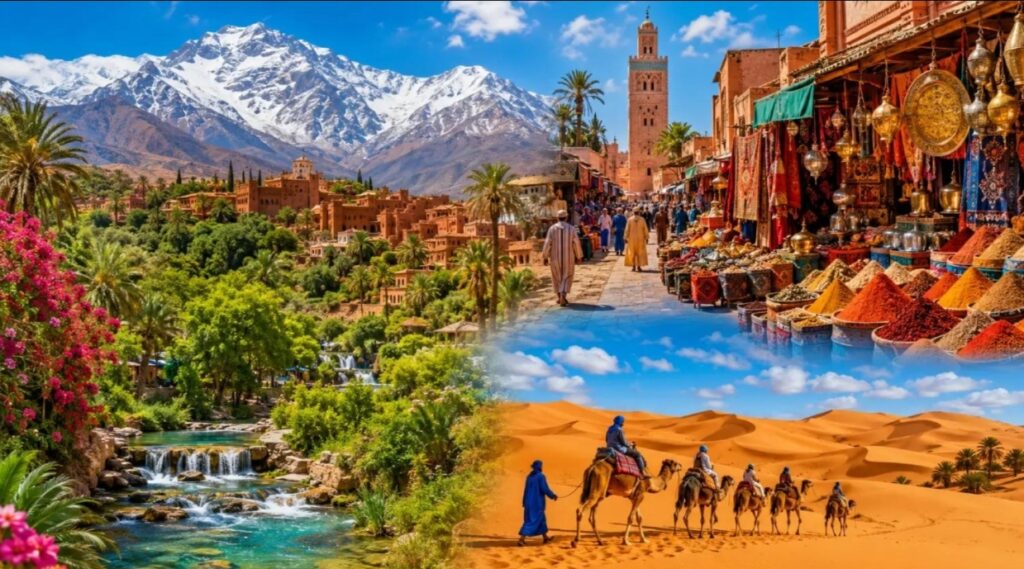
Morocco’s tourism development demonstrates the importance of combining several elements rather than relying on one attraction. Tourism strategy, international promotion, air connectivity, investment, cultural heritage and a diverse range of experiences have all been incorporated into the country’s tourism planning.
The country’s 2024 tourism results show substantial growth in visitor arrivals. At the same time, continued development will depend on maintaining quality, expanding infrastructure responsibly and protecting the cultural and environmental resources that form an important part of Morocco’s tourism offer.
Frequently Asked Questions
Why has Morocco become a major tourism destination in North Africa?
Morocco has developed a broad tourism strategy that combines international promotion, air connectivity, infrastructure investment, cultural heritage and a diverse range of tourism experiences. Its 2023–2026 Tourism Roadmap specifically identifies these areas as part of the country’s tourism development plan.
How many tourists visited Morocco in 2024?
Morocco recorded 17.4 million tourist arrivals in 2024, according to the Moroccan government. The figure represented a 20% increase compared with 2023. The total included 8.8 million foreign tourists and 8.6 million arrivals by Moroccans living abroad.
What attracts tourists to Morocco?
Morocco offers a combination of historic cities, cultural heritage, traditional crafts, gastronomy, beaches, mountains, rural landscapes and desert destinations. The official Moroccan tourism office promotes these different experiences across its destination and travel categories.
What is Morocco’s Tourism Roadmap for 2026?
The Tourism Roadmap 2023–2026 set objectives including attracting 17.5 million tourists, creating 200,000 new jobs and generating 120 billion Moroccan dirhams in foreign-exchange earnings by 2026.
Does Morocco depend on one type of tourism?
No. Morocco’s official tourism strategy covers several thematic sectors, including cultural tourism, city breaks, beaches, nature, desert and oasis experiences. The wider tourism offer also includes gastronomy, festivals, handicrafts, shopping, sport and wellness.
Conclusion
Morocco’s development as a major tourism destination in North Africa has been supported by a combination of strategic planning, international promotion, connectivity, investment and a diversified tourism offer. The country’s 17.4 million tourist arrivals in 2024 provide a clear measure of the scale it has reached.
Rather than relying on a single attraction, Morocco has developed a tourism offer built around different experiences, from historic cities and cultural heritage to beaches, nature, gastronomy and desert landscapes. Its future tourism development will depend on how effectively it can continue expanding while maintaining quality and protecting its natural and cultural resources.
Related Travel Guides
• Best Time to Visit Morocco: Weather, Crowds & Travel Seasons
• Best Hotels in Morocco: Top Places to Stay for Every Budget
• Traditional Moroccan Food: 7 Dishes You Must Try
• Moroccan Traditions and Customs: A Journey Through Culture and Heritage
• UNESCO World Heritage Sites in Morocco: Complete Travel Guide