
Introduction
Morocco is one of North Africa’s richest destinations for history, architecture, and cultural tourism. Its nine UNESCO World Heritage Sites reflect centuries of Amazigh, Arab-Muslim, Andalusian, Mediterranean, and European influences.
From the ancient Roman ruins of Volubilis to the maze-like Medina of Fez and the famous earthen architecture of Ait-Ben-Haddou, these sites reveal a different side of Morocco beyond its beaches,
you are planning a cultural trip, visiting several of Morocco’s UNESCO sites can be one of the best ways to understand the country’s history.
1. Medina of Fez
The Medina of Fez is one of Morocco’s most important historic urban areas and was inscribed on the UNESCO World Heritage List in 1981.
Its narrow streets, traditional houses, mosques, madrasas, markets, and workshops create an extraordinary medieval atmosphere.
Highlights
Al Quaraouiyine Mosque and UniversityBou Inania MadrasaTraditional souksHistoric gatesArtisan workshops
Why Visit?Fez is ideal for travelers who want to experience Morocco’s traditional urban culture and architecture.
2. Medina of Marrakesh
The Medina of Marrakesh was inscribed in 1985 and remains one of Morocco’s most famous cultural destinations.
The historic quarter surrounds famous landmarks and lively public spaces, combining traditional Moroccan architecture with centuries-old markets.
Highlights
Jemaa el-FnaaKoutoubia MosqueSouksBahia PalaceHistoric city walls
Why Visit?
Marrakesh offers a vibrant combination of architecture, markets, food, crafts, and Moroccan traditions.
3. Ksar of Ait-Ben-Haddou
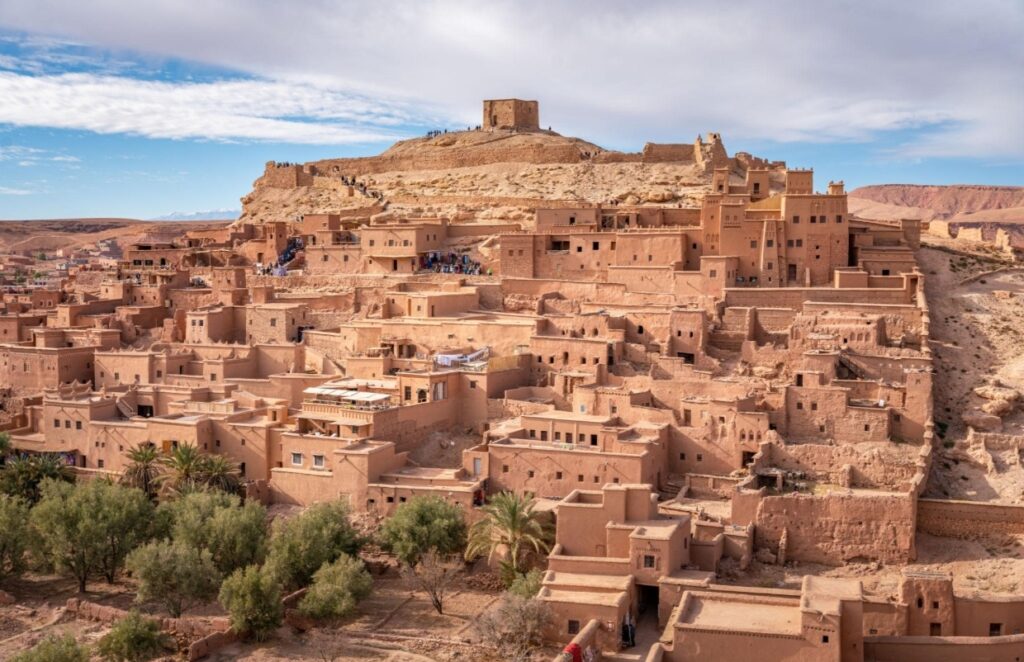
Ait-Ben-Haddou is one of Morocco’s most recognizable heritage sites. The fortified settlement, or ksar, is famous for its earthen architecture and dramatic location.
It was added to the UNESCO World Heritage List in 1987.
Why Visit?
Its towers, walls, narrow passages, and surrounding landscape make it particularly spectacular for photography.
4. Historic City of Meknes
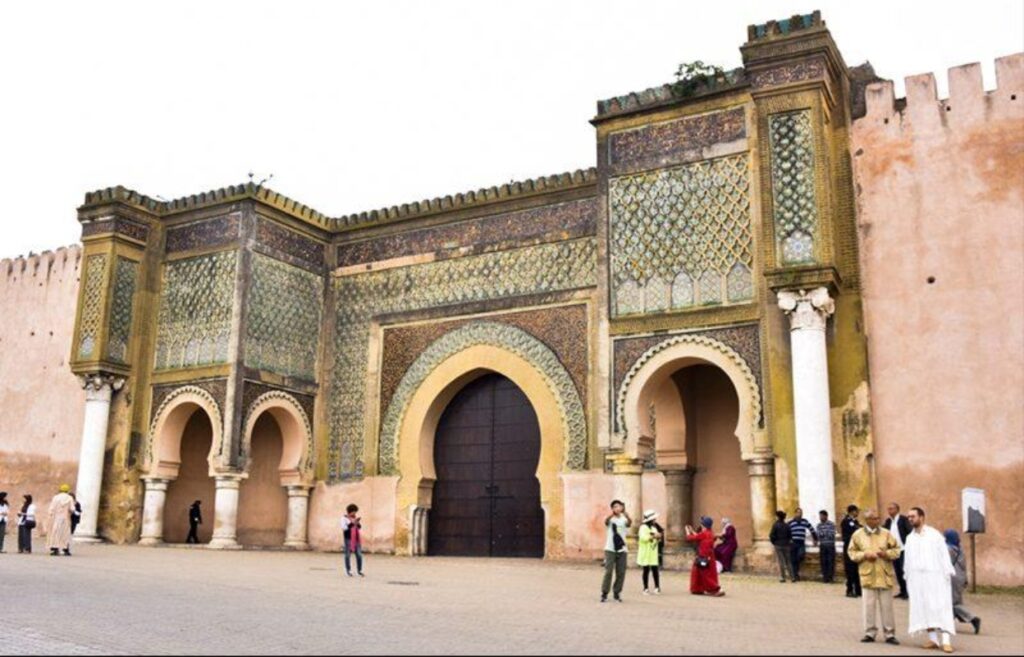
Meknes became an imperial capital under Sultan Moulay Ismaïl and is known for its monumental gates, walls, palaces, and historic quarters.
Highlights
Bab MansourHistoric wallsRoyal granariesMedinaImperial architecture
5. Archaeological Site of Volubilis
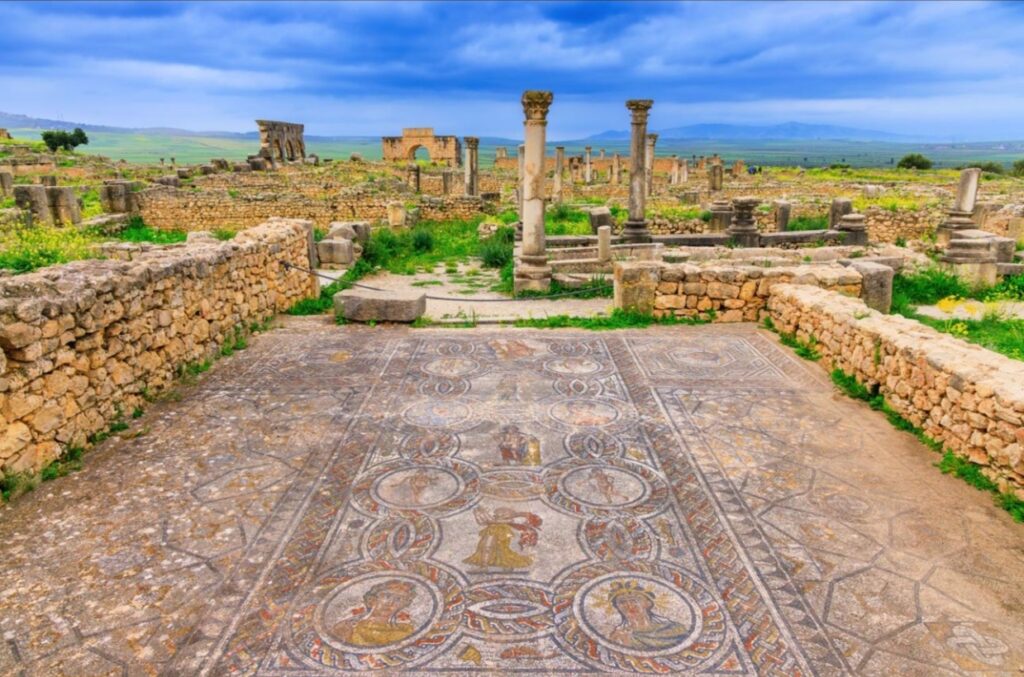
Volubilis is one of Morocco’s most important archaeological sites.
The ancient city contains impressive Roman remains, including mosaics, temples, arches, and streets. UNESCO added Volubilis to the World Heritage List in 1997.
Why Visit?
It is one of the best places in Morocco to discover the country’s Roman and ancient Mediterranean heritage.
6. Medina of Tétouan
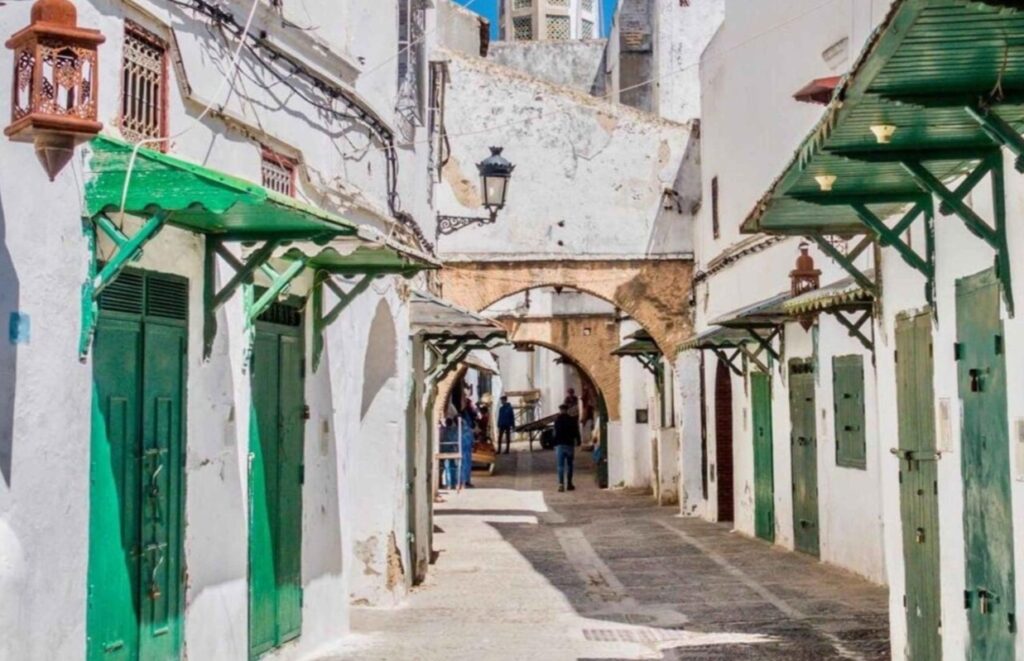
The Medina of Tétouan, historically known as Titawin, was inscribed in 1997.
Its architecture reflects strong Andalusian influences and the city’s historic connections with southern Spain.
Why Visit?
Tétouan provides a different cultural experience from the larger tourist centers of Fez and Marrakech.
7. Medina of Essaouira
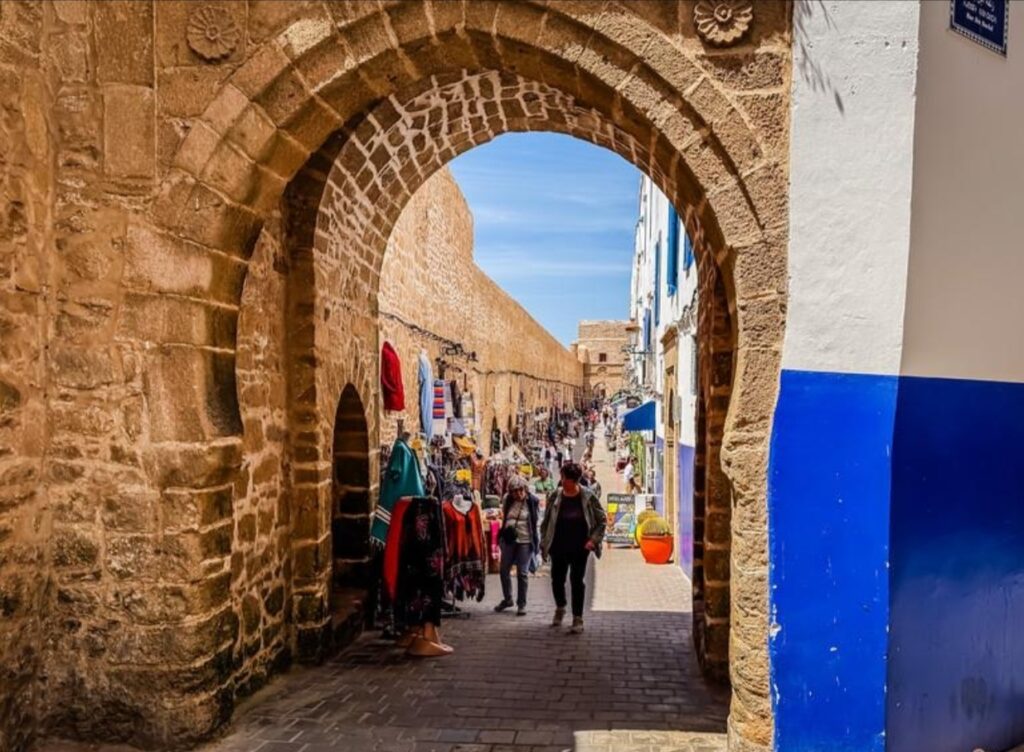
The Medina of Essaouira, formerly Mogador, was inscribed in 2001.
Located on Morocco’s Atlantic coast, the historic city combines traditional Moroccan architecture with strong European and maritime influences.
Highlights
Historic medinaSkala de la VilleAtlantic harborTraditional marketsHistoric ramparts
8. Portuguese City of Mazagan — El Jadida
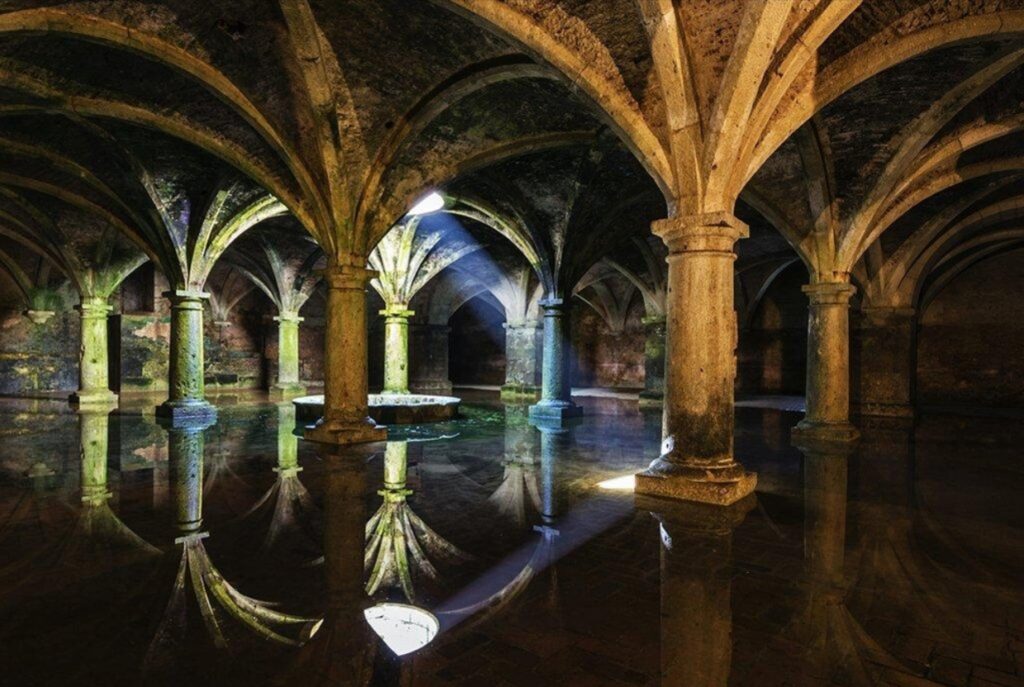
The Portuguese City of Mazagan, now part of El Jadida, was inscribed in 2004.
The fortified coastal settlement preserves important examples of Portuguese military and architectural heritage in Morocco.
Why Visit?
It is an excellent stop for travelers interested in Morocco’s Atlantic history and European architectural influences.
9. Rabat, Modern Capital and Historic City
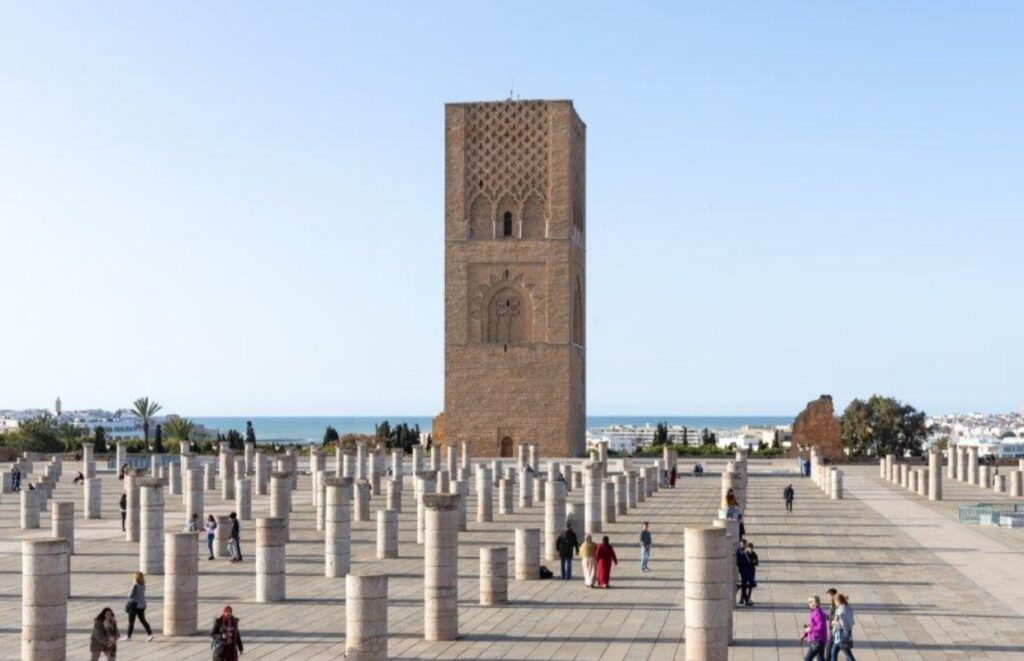
Rabat is unusual because its UNESCO property combines historic parts of the city with the modern capital developed during the French Protectorate.
UNESCO inscribed Rabat, Modern Capital and Historic City: a Shared Heritage in 2012.
The site includes historic areas such as the Kasbah of the Udayas, the Medina, Almohad ramparts, Chellah, and the Hassan Mosque and Mausoleum area.
Why Visit?
Rabat is particularly interesting for seeing how Morocco’s historic heritage and modern urban development exist together.
Best Time to Visit Morocco’s UNESCO Sites
For most heritage trips, spring and autumn are excellent choices.
Best Months
• March
• April
• May
• September
• October
• November
These months generally offer comfortable conditions for walking through medinas and exploring archaeological sites.
How to Plan a UNESCO Trip in Morocco
A practical route can combine several sites without excessive backtracking.
For example:
Fez → Meknes → Volubilis → Marrakech → Ait-Ben-Haddou → Essaouira → Rabat → El Jadida
You do not need to visit all nine sites on one trip. Choosing four or five based on your interests can create a much more relaxed itinerary.
Best for Ancient History
Volubilis
Best for Traditional Architecture
Fez
Best for Desert Landscapes
Ait-Ben-Haddou
Best for Coastal Heritage
Essaouira
Best for a Mix of Historic and Modern Morocco
Rabat
Frequently Asked Questions
How many UNESCO World Heritage Sites are in Morocco?
Morocco currently has nine properties inscribed on the UNESCO World Heritage List.
What is Morocco’s most famous UNESCO site?
The Medinas of Fez and Marrakech and Ait-Ben-Haddou are among Morocco’s most internationally recognized heritage destinations.
Which UNESCO site is best for Roman ruins?
Volubilis is the top choice for Roman archaeology.
Which UNESCO site is best for traditional Moroccan architecture?
The Medina of Fez is one of the strongest choices for experiencing historic Moroccan urban architecture.
Can I visit several UNESCO sites on one trip?
Yes. Fez, Meknes, and Volubilis can be combined relatively easily, while Marrakech, Ait-Ben-Haddou, Essaouira, Rabat, and El Jadida can be incorporated into longer itineraries.
Conclusion
Morocco’s nine UNESCO World Heritage Sites offer an extraordinary journey through the country’s history and cultural diversity. From the ancient ruins of Volubilis to the historic medinas of Fez, Marrakech, and Tétouan, every site reveals a different part of Morocco’s story.
For a first cultural trip, Fez, Volubilis, Ait-Ben-Haddou, Marrakech, and Rabat make an excellent starting point. Travelers with more time can add Essaouira, Meknes, Tétouan, and El Jadida to experience an even broader picture of Morocco’s heritage.
Related Travel Guides
• How Much Does It Cost to Travel to Morocco for One Week?
• Best Hotels in Morocco: Top Places to Stay for Every Budget
• Morocco Travel Guide: Discover the Kingdom of Wonders
• Best Things to Do in Marrakech: 25 Must-See Attractions and Experiences