
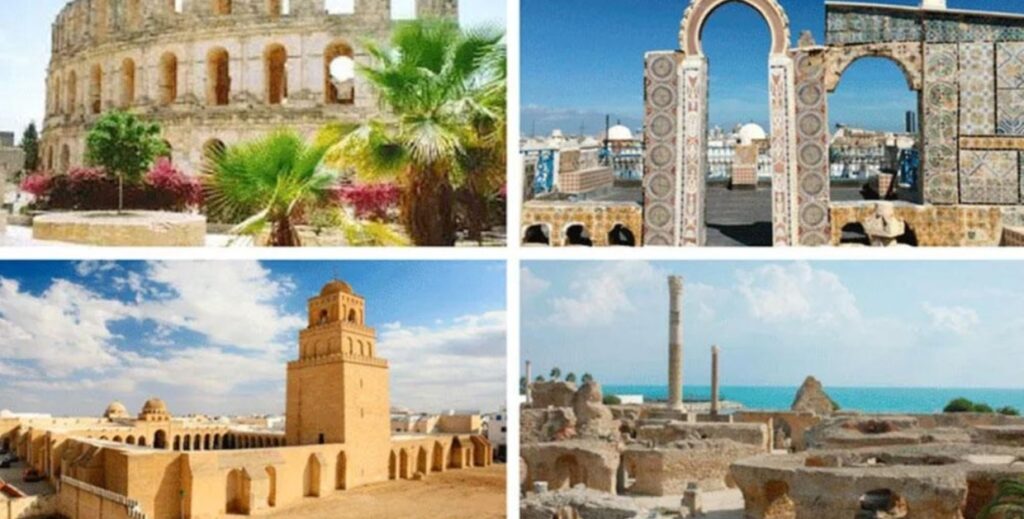
Introduction
history stretches across thousands of years. Phoenicians, Romans, Byzantines, Arabs, and other civilizations have all left their mark on the country, creating an extraordinary collection of archaeological sites, historic cities, and natural landscapes.
Today, Tunisia is home to nine UNESCO World Heritage Sites, offering travelers an impressive variety of experiences. You can explore ancient Roman monuments in the morning, walk through a centuries-old Islamic medina in the afternoon, and discover Mediterranean archaeological remains or protected natural landscapes the next day.
For travelers interested in history and culture, Tunisia’s UNESCO sites provide an excellent way to explore the country beyond its beaches and resorts.
This guide introduces the country’s UNESCO World Heritage Sites and explains what makes each destination worth visiting.
Tunisia UNESCO Cost 2026: Entry Fees in TND & USD
All prices updated for 2026.
- Carthage entry fee: 12 TND ($3.8) + 8 TND ($2.5) museum
- El Jem Amphitheatre entry: 12 TND ($3.8)
- Medina of Tunis entry: Free, guide 30 TND ($9.5)
- Kairouan Great Mosque entry: 10 TND ($3.2)
- Dougga Roman ruins entry: 10 TND ($3.2)
- Tunisia UNESCO total: 8 sites, all cultural
- Best time to visit UNESCO Tunisia: March to May, October to November 2026
What Are UNESCO World Heritage Sites?
UNESCO World Heritage Sites are places considered to have outstanding universal value to humanity.
They can be recognized for their:
• Historical importance
• Archaeological value
• Architecture
• Cultural traditions
• Natural significance
Tunisia’s UNESCO sites cover both cultural and natural heritage, making the country particularly interesting for travelers who want to combine history, architecture, and nature.
1. Medina of Tunis
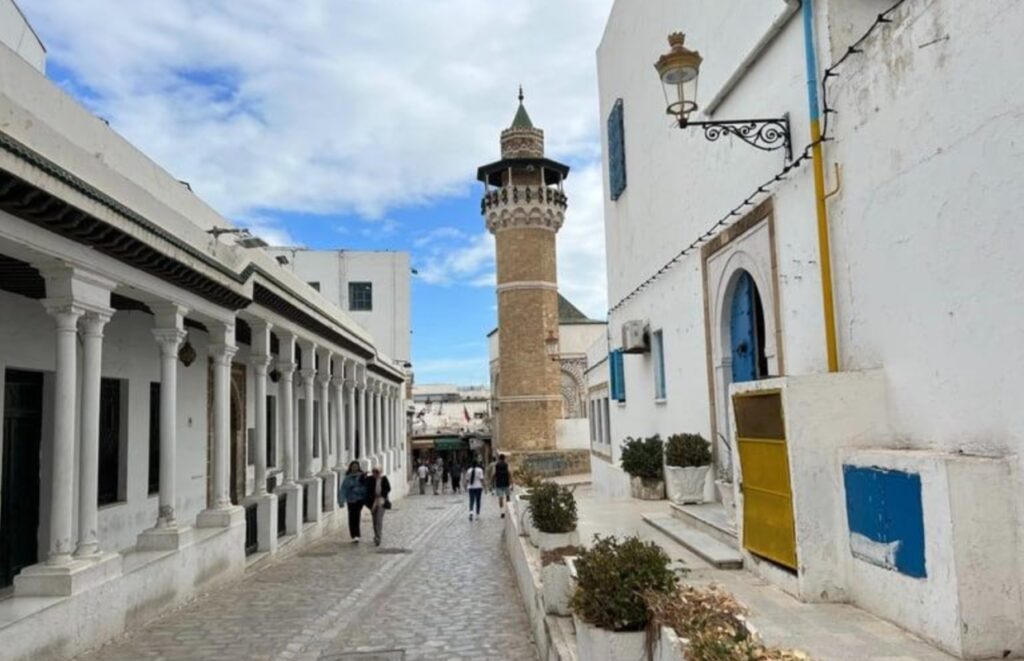
The Medina of Tunis is the historic heart of Tunisia’s capital.
Founded in the 7th century, the Medina developed into an important political, religious, and commercial center. Its narrow streets are filled with traditional houses, mosques, souks, palaces, and historic monuments.
Highlights
• Zitouna Mosque
• Traditional souks
• Dar Hussein
• Historic palaces
• Traditional Tunisian architecture
Why Visit?
The Medina is more than an archaeological attraction. It remains a lively part of Tunis where visitors can experience traditional architecture, crafts, shopping, and local life.
2. Archaeological Site of Carthage
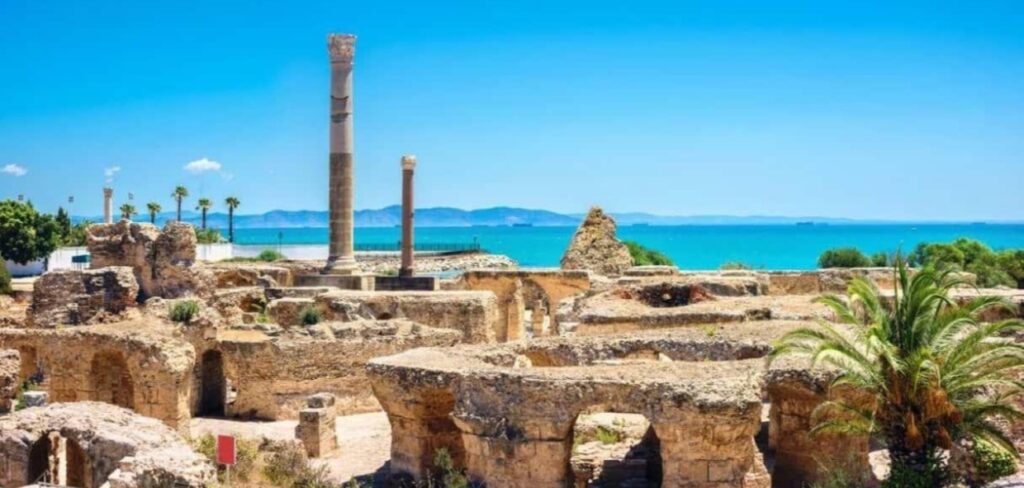
Carthage is one of the most famous archaeological destinations in Tunisia.
The ancient city was founded by the Phoenicians and eventually became one of the most powerful cities in the Mediterranean. It later became an important Roman center.
Today, the archaeological site contains remains from several periods of history.
Highlights
• Roman Baths
• Ancient Theatre
• Punic ports
• Roman villas
Antonine Baths
Why Visit?
Carthage is ideal for travelers fascinated by ancient Mediterranean history. Its location overlooking the sea also makes the experience particularly memorable.
3. Amphitheatre of El Jem
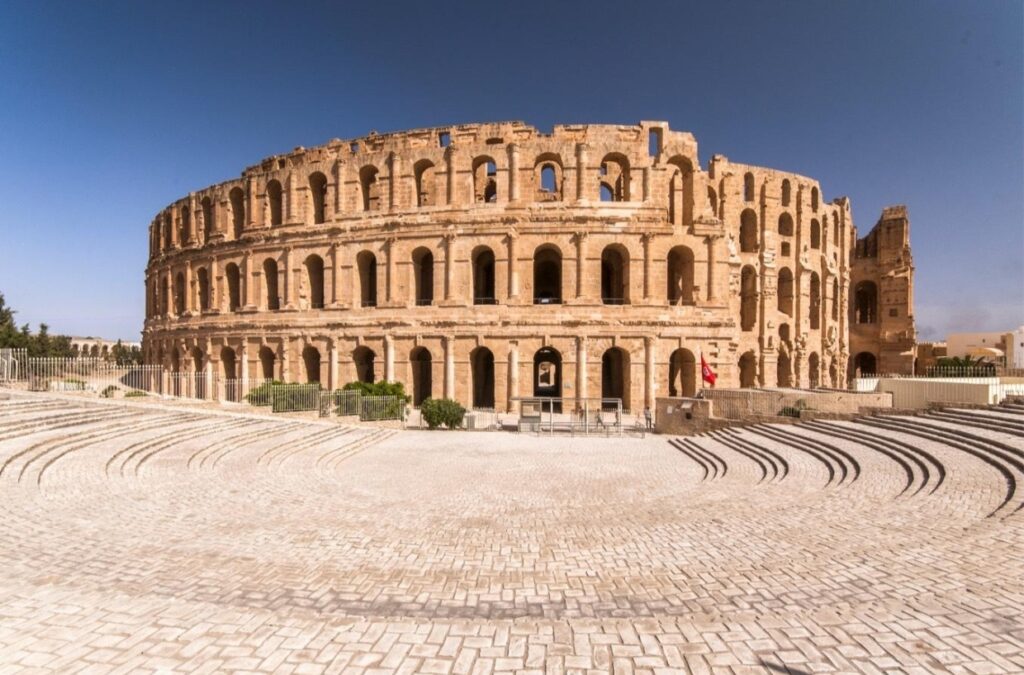
The Amphitheatre of El Jem is one of Tunisia’s most spectacular Roman monuments.
Built during the Roman period, the enormous amphitheatre could accommodate tens of thousands of spectators and demonstrates the wealth and importance of the ancient city of Thysdrus.
Highlights
5 Underground passages
• Arena
• Three levels of archesInterior corridors
Why Visit?
Monumental Roman architecture
El Jem is one of the best-preserved Roman amphitheatres in the world and is often considered a must-see attraction for anyone traveling through central Tunisia.
4. Archaeological Site of Dougga
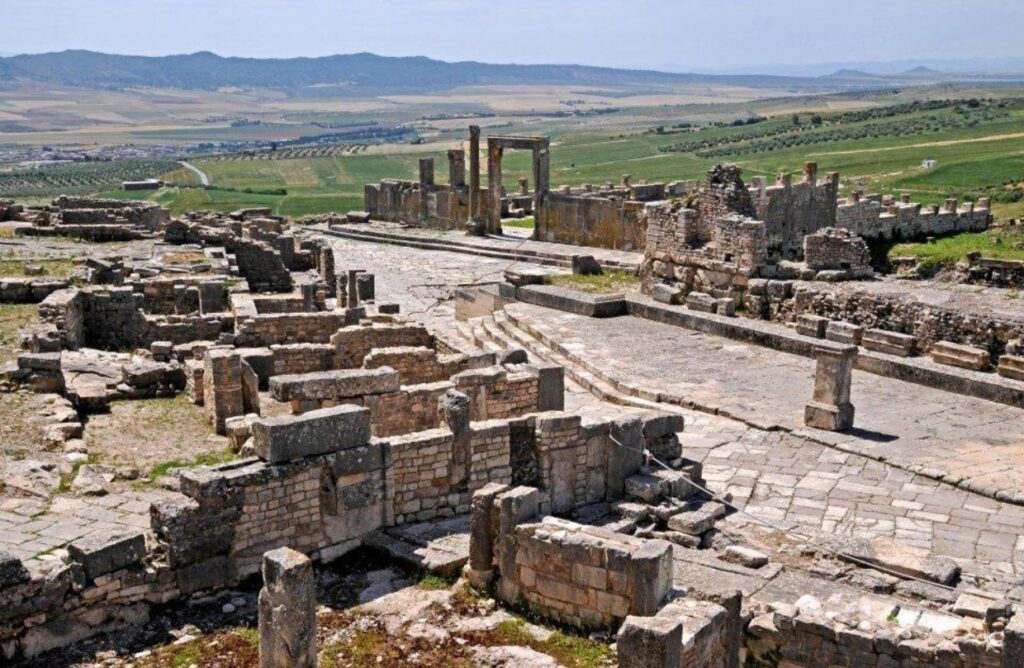
Located in northern Tunisia, Dougga is another extraordinary Roman archaeological site.
The ancient city was originally known as Thugga and developed under several civilizations before becoming an important Roman town.
Its location on a hillside provides impressive views over the surrounding countryside.
Highlights
• Capitol
• Roman Theatre
• Temple of Saturn
• Temple of Mercury
• Ancient streets
Libyco-Punic monumentsWhy Visit?
Dougga is particularly impressive because visitors can explore a large ancient city with many structures still standing.
5. Kairouan
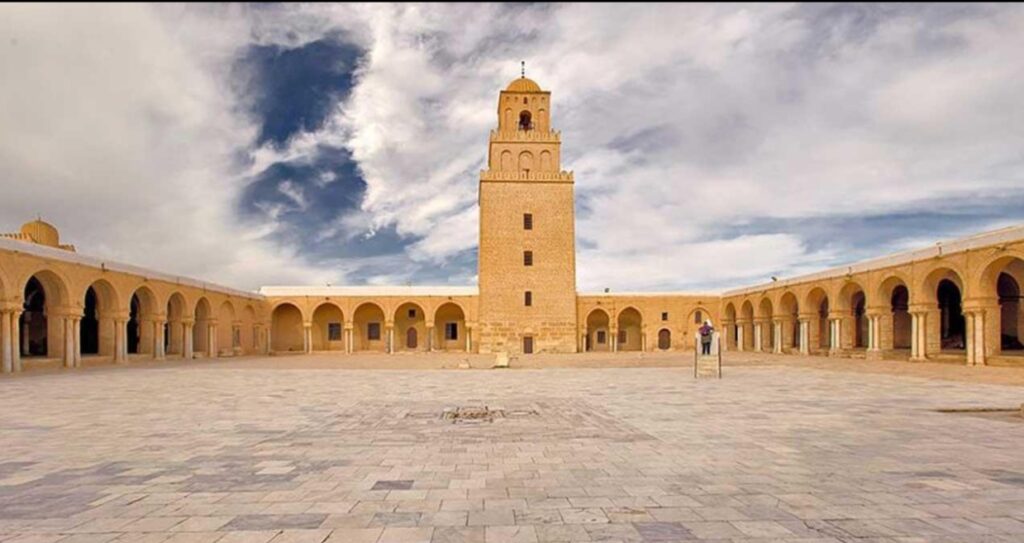
Kairouan is one of the most important historic cities in Tunisia and a major center of Islamic culture in North Africa.
Founded in the 7th century, it became an important religious and intellectual center.
Highlights
• Great Mosque of Kairouan
• Medina
• Aghlabid Basins
• Sidi Sahab Mausoleum
• Traditional architecture
Why Visit?
Kairouan offers a completely different experience from Tunisia’s Roman archaeological sites. Its Islamic architecture and religious history make it one of the country’s most important cultural destinations.
6. Ichkeul National Park
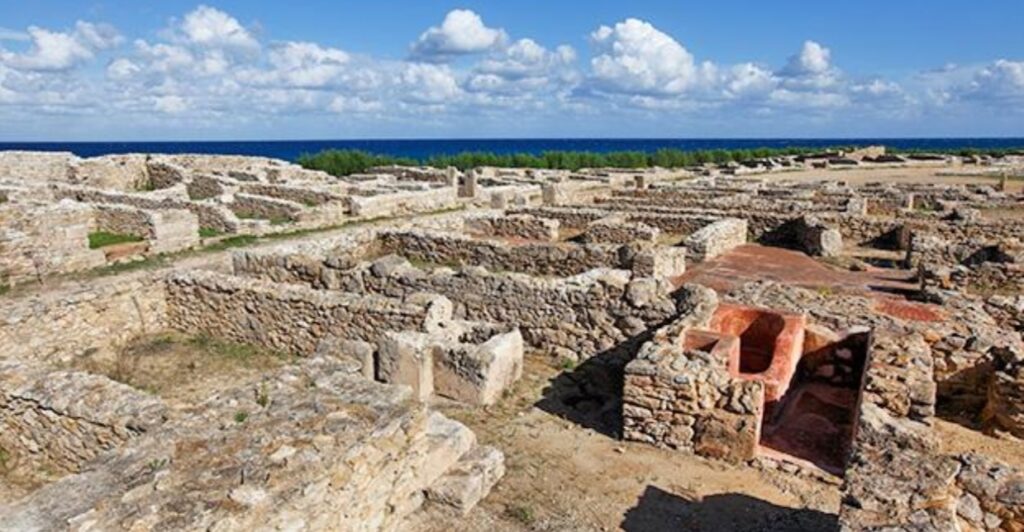
Not all of Tunisia’s UNESCO heritage is archaeological.
Ichkeul National Park is a natural World Heritage Site and an important wetland ecosystem in northern Tunisia.
The park includes Lake Ichkeul and surrounding wetlands that provide an important habitat for migratory birds.
Why Visit?
Nature lovers and birdwatchers can enjoy a completely different side of Tunisia here.
The park demonstrates that Tunisia’s heritage extends beyond ancient monuments to include important natural environments.
7. Punic Town of Kerkouane and Its Necropolis
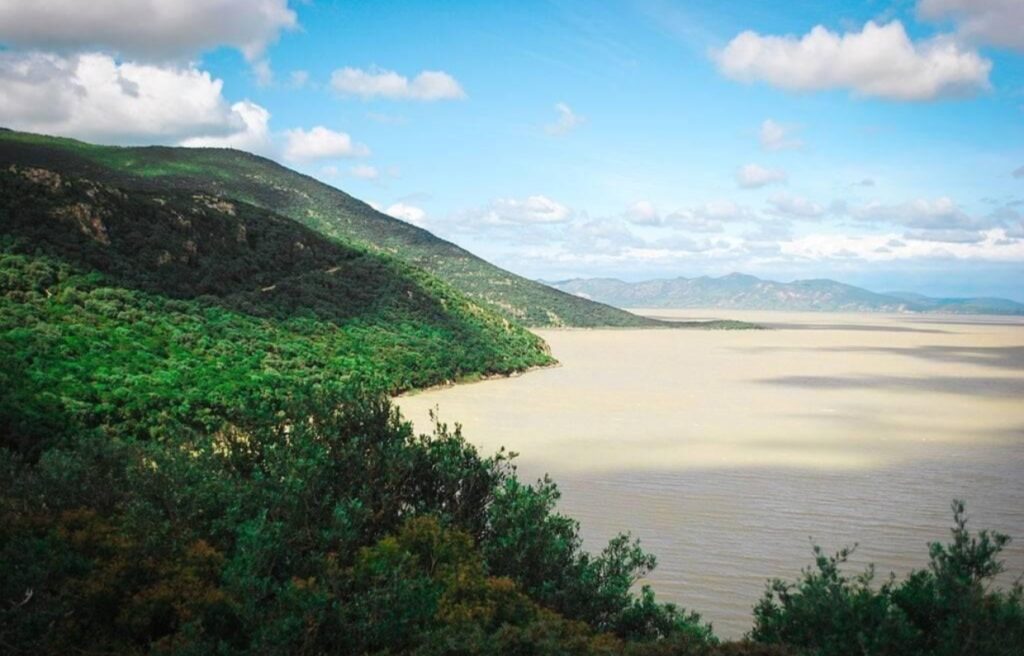
The archaeological remains around Kerkouane also include its ancient necropolis, providing additional insight into Punic burial traditions and the organization of the settlement.
The site is particularly valuable because it preserves evidence of a Punic town without extensive Roman reconstruction.
What Can You Discover?
• Residential remains
• Religious structures
• Burial areas
• Ancient streets
• Punic construction techniques
For travelers interested in ancient North African civilizations, this is one of Tunisia’s most fascinating archaeological destinations.
8. Historic Centre and Traditional Heritage of Tunis
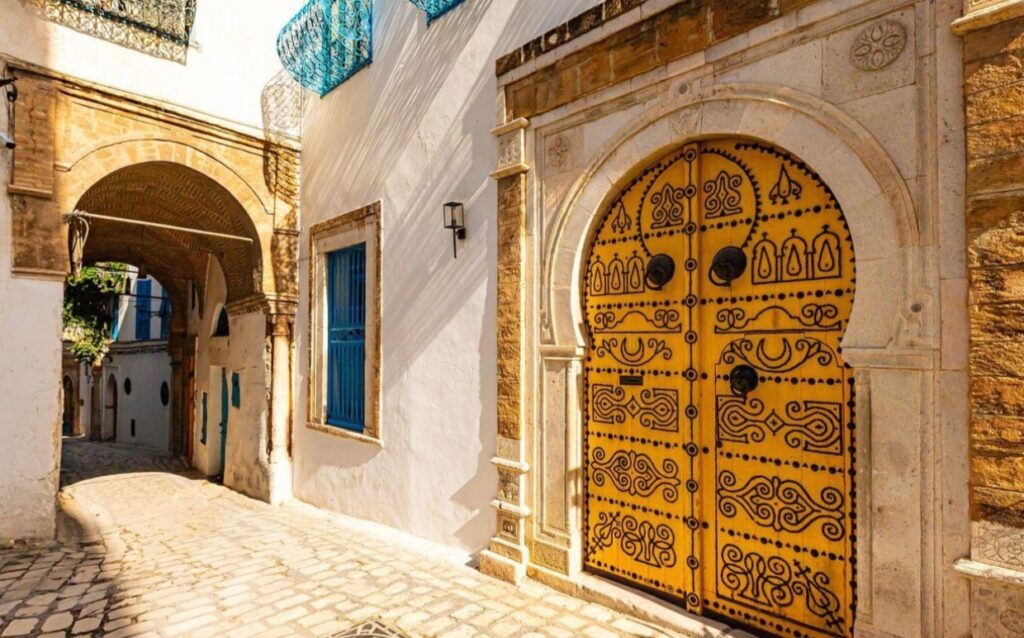
Tunisia’s heritage extends beyond individual monuments. The historic urban environment of Tunis preserves traditional architecture, markets, religious buildings, and public spaces that demonstrate the city’s long cultural development.
Exploring these areas on foot allows visitors to experience the relationship between architecture, commerce, religion, and everyday life.
Best Time to Visit Tunisia’s UNESCO Sites
The best time to explore Tunisia’s historical sites is generally spring and autumn.
Spring
March through May offers:
• Comfortable temperatures
• Green landscapes
• Good conditions for sightseeing
• Pleasant weather for walking
Autumn
September through November is also excellent, particularly for archaeological sites where you may spend several hours outdoors.
Summer can be very hot, especially around inland Roman sites such as El Jem and Dougga.
Tips for Visiting UNESCO Sites in Tunisia
• Start outdoor sightseeing early during warmer months.
• Carry water and sun protection.
• Wear comfortable shoes at archaeological sites.
• Allow enough time for large sites such as Carthage and Dougga.
• Consider hiring a local guide for major archaeological sites.
• Respect monuments and avoid climbing on ancient structures.
• Keep some Tunisian dinars available for transportation and smaller purchases.
Frequently Asked Questions
How many UNESCO World Heritage Sites are in Tunisia?
Tunisia has nine UNESCO World Heritage Sites.
What is the most famous UNESCO site in Tunisia?
The ancient archaeological site of Carthage and the Amphitheatre of El Jem are among the country’s best-known UNESCO attractions.
Which UNESCO site is best for Roman history?
El Jem and Dougga are excellent choices for travelers interested in Roman architecture and archaeology.
Which UNESCO site is best for Islamic history?
Kairouan and the Medina of Tunis are excellent destinations for exploring Tunisia’s Islamic heritage.
Is there a natural UNESCO World Heritage Site in Tunisia?
Yes. Ichkeul National Park represents Tunisia’s natural heritage and is particularly important for migratory birds.
Conclusion
Tunisia’s UNESCO World Heritage Sites reveal the extraordinary diversity of the country’s history and landscapes. From the ancient power of Carthage and the monumental architecture of El Jem to the Islamic heritage of Kairouan and the natural environment of Ichkeul National Park, each destination offers a different perspective on Tunisia.For travelers who want to go beyond beaches and resorts, these sites provide an opportunity to discover the civilizations, traditions, architecture, and natural environments that have shaped Tunisia over thousands of years.
Related Travel Guides
• Tourism in Tunisia: Discover the Jewel of North Africa
• Best Hotels in Tunisia: Top Places to Stay for Every Budget
• Tunisia Itinerary: The Perfect 7-Day Travel Guide
• Best Things to Do in Tunis: 25 Must-See Attractions and Experiences