
Introduction
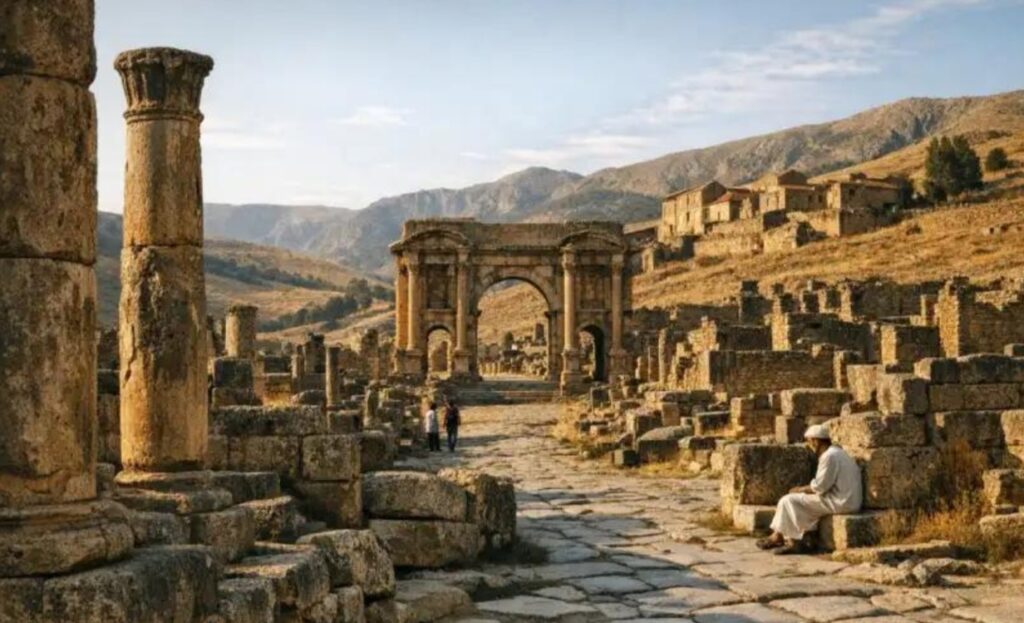
Algeria is home to some of Africa’s most extraordinary historical and natural treasures. Across the country, ancient Roman cities, medieval fortresses, spectacular desert landscapes, and centuries-old cultural settlements have earned international recognition as UNESCO World Heritage Sites.
Whether you are planning your first trip to Algeria or looking for cultural destinations beyond the usual tourist routes, this guide introduces every UNESCO World Heritage Site in Algeria and explains why each one deserves a place on your itinera
Algeria UNESCO Cost 2026: Fees in DZD & USD
All prices updated for 2026.
- Tassili n’Ajjer entry fee: 2000 DZD ($14.8) foreigner, guide mandatory 3000 DZD ($22)
- Tipasa Roman ruins entry: 500 DZD ($3.7)
- Djemila Roman ruins entry: 500 DZD ($3.7)
- Casbah of Algiers entry: Free, guide 1500 DZD ($11)
- M’Zab Valley entry: 300 DZD ($2.2)
- Algeria 【entity-UNESCO¦canonical_name=UNESCO】 sites total: 7 sites, 6 cultural + 1 mixed
- Best time to visit UNESCO sites Algeria: October to April 2026
What Are UNESCO World Heritage Sites?
UNESCO World Heritage Sites are places recognized for their outstanding cultural or natural value. They are protected to preserve their historical importance and ensure future generations can continue to enjoy them.
Algeria’s UNESCO sites showcase Roman civilization, Islamic heritage, prehistoric rock art, and unique desert landscapes.
1. Casbah of Algiers
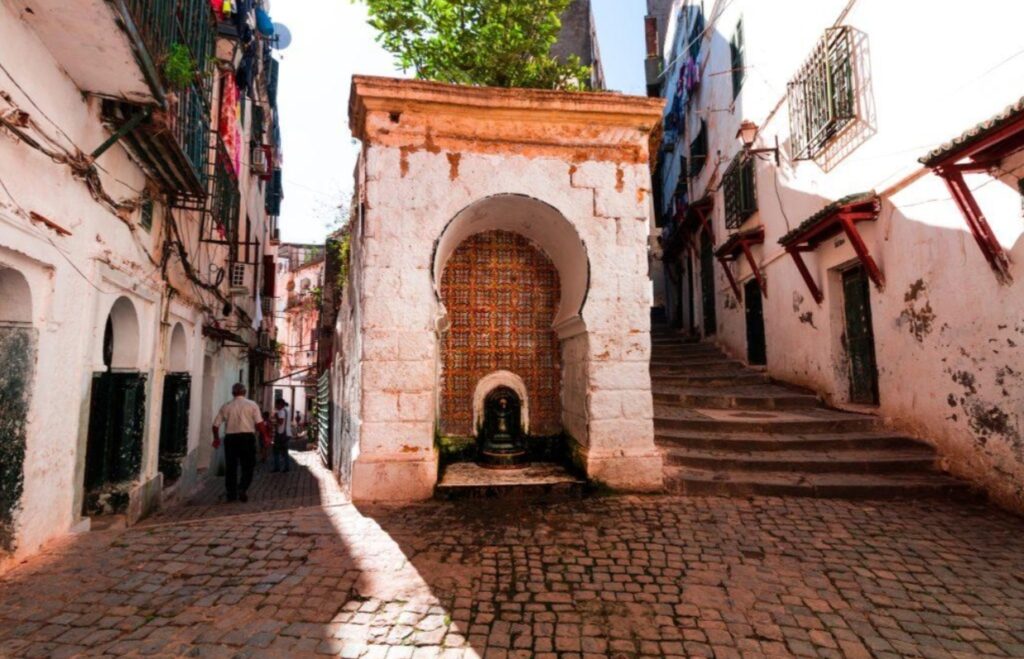
The Casbah of Algiers is one of the country’s most famous landmarks and the historical heart of the capital.
Built during the Ottoman period, its narrow streets, traditional houses, historic mosques, and old palaces create one of North Africa’s most beautiful historic districts.
Highlights
Ketchaoua MosqueOttoman palacesTraditional architectureHistoric streetsLocal craft shops
Why Visit?
The Casbah offers visitors a chance to experience authentic Algerian history while enjoying spectacular views over the Mediterranean Sea.
2. Djémila
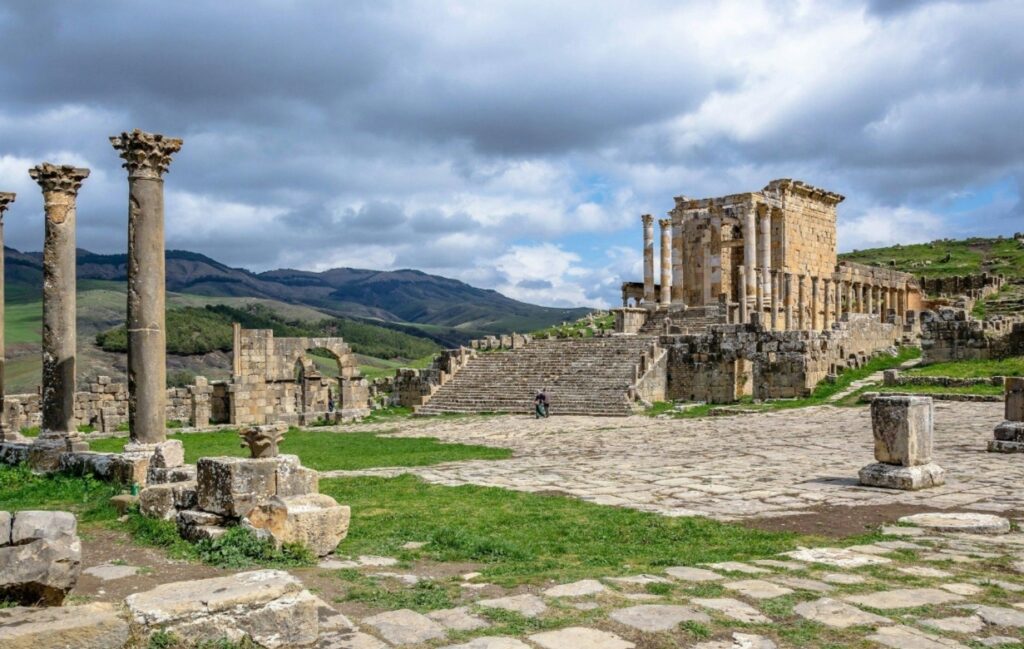
Djémila, formerly known as Cuicul, contains one of the finest Roman archaeological sites in North Africa.Its mountain setting makes it different from most Roman cities, while its exceptionally preserved monuments attract visitors from around the world.
Highlights
• Roman Forum
• Triumphal Arch
• Ancient Theatre
• Christian Basilica
• Roman mosaics
Why Visit?
Djémila combines impressive Roman ruins with beautiful natural scenery, making it one of Algeria’s most photogenic destinations.
3. Timgad
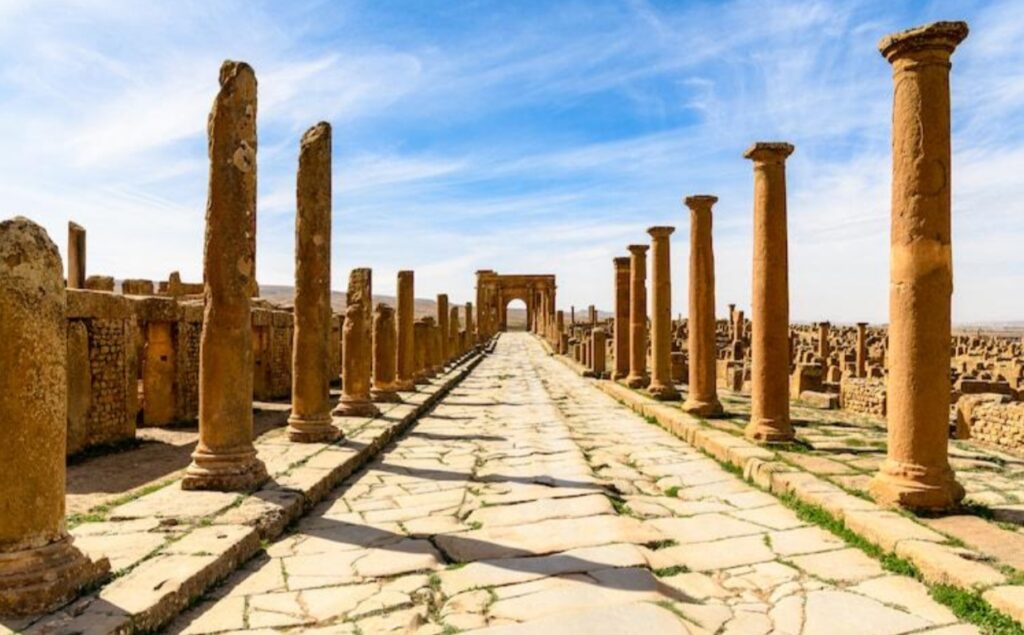
Founded by Emperor Trajan around AD 100, Timgad is often called the “Pompeii of Africa.”The city follows the classic Roman grid plan and remains one of the best-preserved examples of Roman urban planning.
Highlights
• Arch of Trajan
• Roman Theatre
• Library
• Public Baths
• Forum
Why Visit?
Walking through Timgad offers an incredible opportunity to experience daily life in a Roman city nearly two thousand years ago.
4. Tassili n’Ajjer
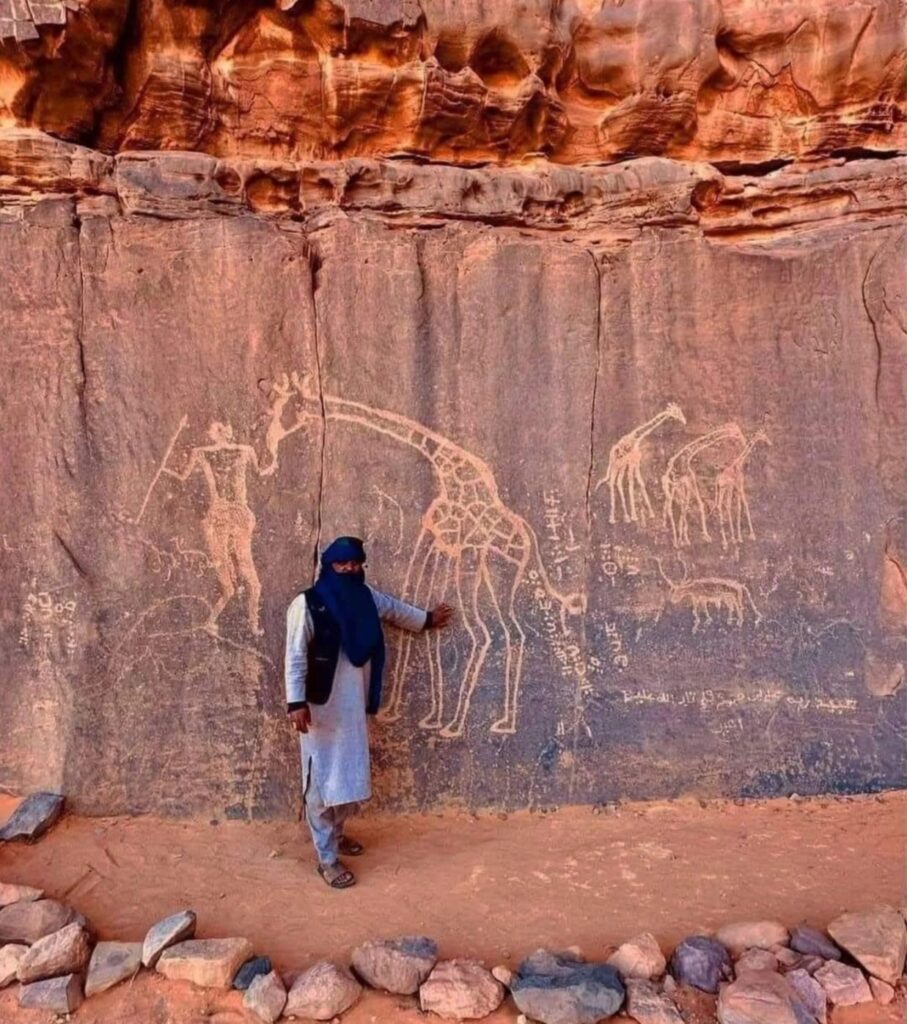
Located in southeastern Algeria, Tassili n’Ajjer is famous for its spectacular sandstone formations and prehistoric rock art.
Thousands of paintings and engravings reveal that the Sahara was once home to rivers, forests, elephants, giraffes, and early human communities.
Highlights
• Rock paintings
• Sandstone arches
• Desert canyons
• Unique landscapes
Why Visit?
It is one of the world’s most important prehistoric open-air museums and a paradise for adventure travelers.
5. M’Zab Valley
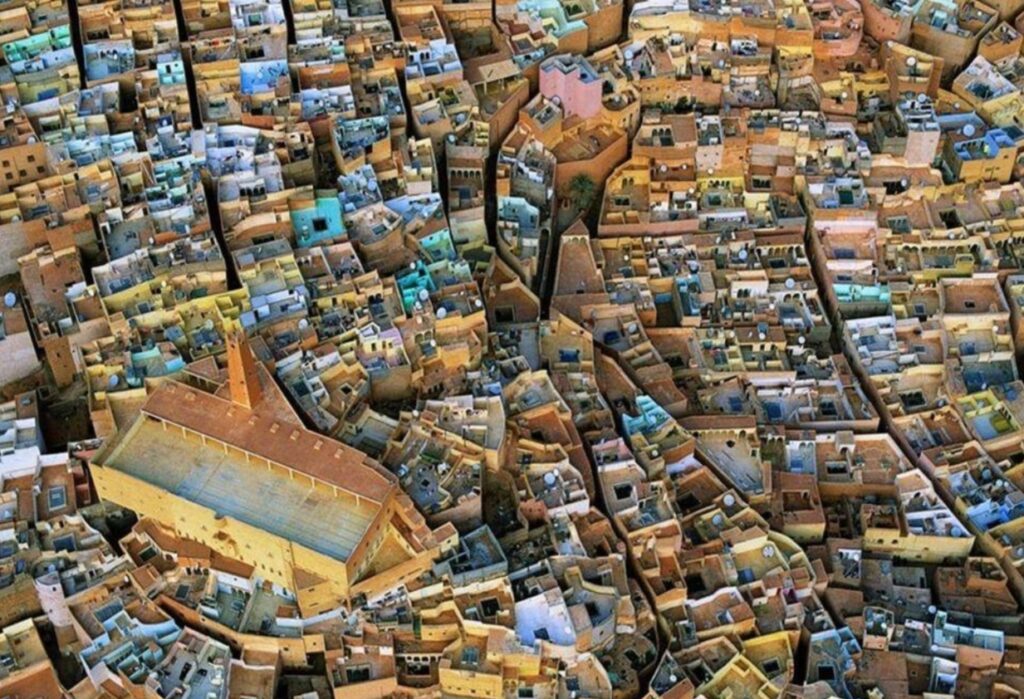
The M’Zab Valley consists of five fortified towns built by the Mozabite community during the 11th century.Its unique urban design perfectly adapts to the harsh Sahara climate while preserving centuries-old traditions.
Highlights
• Ghardaïa
• Beni Isguen
• Traditional Mozabite architecture
• Historic mosques
Why Visit?
Visitors experience one of Algeria’s most authentic cultural regions, where traditional lifestyles continue today.
6. Tipasa
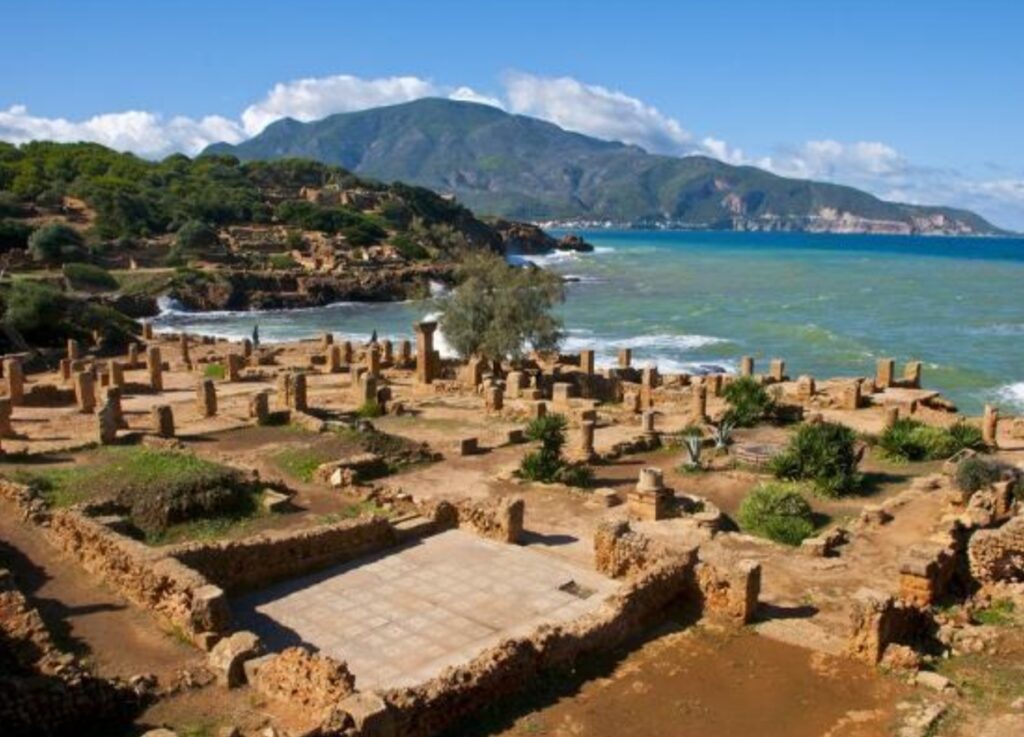
Situated along the Mediterranean coast, Tipasa combines Roman ruins with stunning sea views.
Originally founded by the Phoenicians and later expanded by the Romans, Tipasa became one of the empire’s most important coastal cities.
Highlights
• Roman amphitheatre
• Ancient basilicas
• Roman villas
• Coastal archaeological remains
Why Visit?
Few archaeological sites in the world combine ancient history with Mediterranean scenery as beautifully as Tipasa.
7. Qal’at Beni Hammad
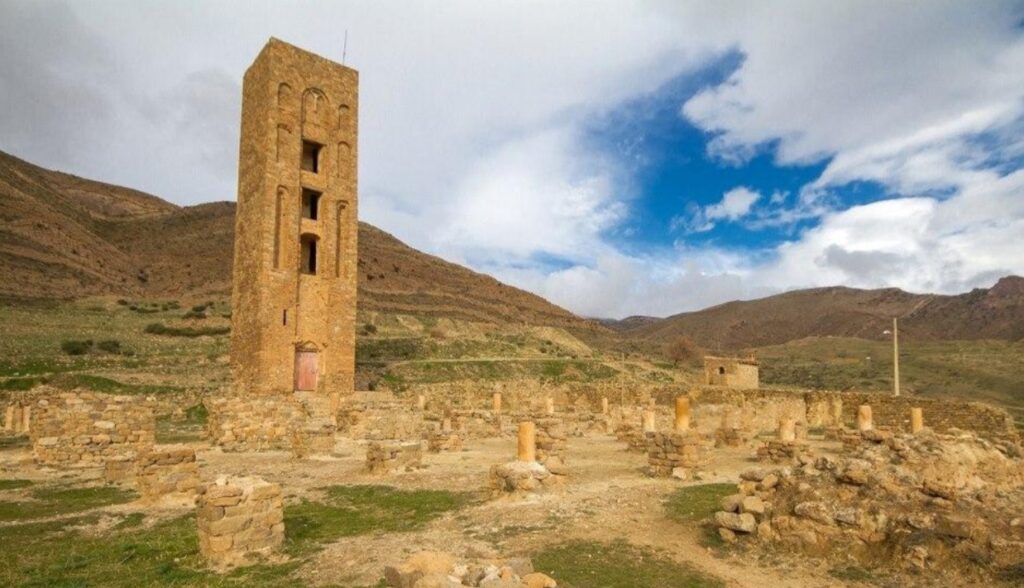
Built during the 11th century, Qal’at Beni Hammad served as the first capital of the Hammadid dynasty.
Although much of the city now lies in ruins, its impressive remains demonstrate the importance of medieval Islamic architecture in North Africa.
Highlights
• Great Mosque
• Palace ruins
• Defensive walls
• Archaeological remains
Why Visit?
It provides a fascinating glimpse into Algeria’s medieval Islamic history.
Best Time to Visit Algeria’s UNESCO SitesThe best months to visit are:
• October
• November
• December
• January
• February
• March
• April
These months offer pleasant temperatures for sightseeing, especially in desert regions.
Travel Tips
• Wear comfortable walking shoes.
• Carry water during archaeological visits.
• Respect local customs and heritage regulations.
• Hire local guides when possible.
• Start early during warmer months.
Frequently Asked Questions
How many UNESCO World Heritage
Sites are there in Algeria?
here are seven UNESCO World Heritage Sites in Algeria.
Which UNESCO site is the most famous?
The Casbah of Algiers is the country’s best-known UNESCO site.
Which sites showcase Roman history?
Djémila, Timgad, and Tipasa are Algeria’s most important Roman archaeological sites.
Which UNESCO site is located in the Sahara?
Tassili n’Ajjer is located in southeastern Algeria and is famous for prehistoric rock art.
How many days should I plan?
A trip of 10–14 days allows travelers to visit most UNESCO sites comfortably.
Conclusion
Algeria’s UNESCO World Heritage Sites reveal the country’s extraordinary cultural diversity and rich history. From Roman cities and Ottoman architecture to prehistoric desert art and medieval Islamic settlements, these remarkable destinations provide unforgettable travel experiences for anyone interested in history, archaeology, or nature. Exploring these protected sites is one of the best ways to discover the true heritage of Algeria.
Related Travel Guides
• Algeria Travel Guide: Best Places to Visit, Things to Do & Travel Tips
• Best Time to Visit Algeria: Complete Seasonal Travel Guide
• Algeria Itinerary: The Perfect 7-Day Travel Guide
• Currency in Algeria: Complete Guide for Travelers
• Best Hotels in Algeria: Complete Travel Accommodation Guide