
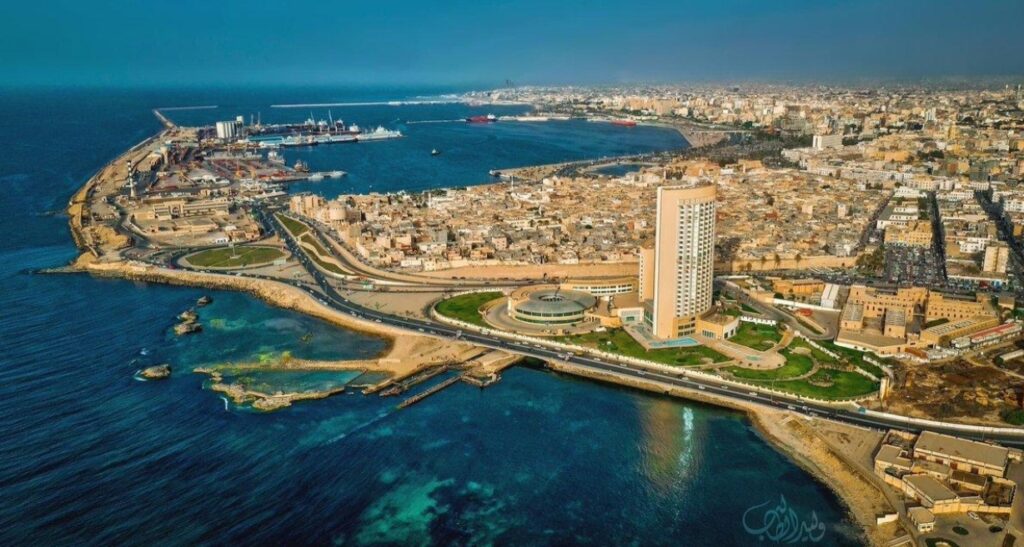
Tripoli, the capital of Libya, is one of North Africa’s oldest cities. Overlooking the Mediterranean Sea, it combines centuries of history with lively markets, Ottoman architecture, Roman remains, and a beautiful waterfront. Whether you’re interested in culture, history, or authentic local experiences, Tripoli offers plenty to discover.
Tripoli Attractions Cost 2026: Prices in LYD & USD
All prices updated for 2026.
- Red Castle (Assaraya al-Hamra) Museum: from 5 LYD ($1) locals, 10 LYD ($2) foreigners
- Medina of Tripoli: free entry, guided tour from 30 LYD ($6)
- Martyrs Square: free entry
- Arch of Marcus Aurelius: free entry, located in old city
- Tripoli Beach (Corniche): free entry, chair from 10 LYD ($2)
- Camel market: free to visit, tea from 3 LYD
- Total daily budget in Tripoli: from 100 LYD ($20) to 200 LYD ($40) including transport and food 2026
Why Visit Tripoli?
Tripoli is worth visiting for:
• Historic old town
• Ottoman architecture
• Roman heritage
• Mediterranean coastline
• Traditional souks
• Museums
• Local cuisine
• Friendly atmosphere
Best Time to Visit
The best months are:
• March
• April
• May
• October
• November
These months offer pleasant temperatures for walking and sightseeing.
1. Explore the Old City (Medina)
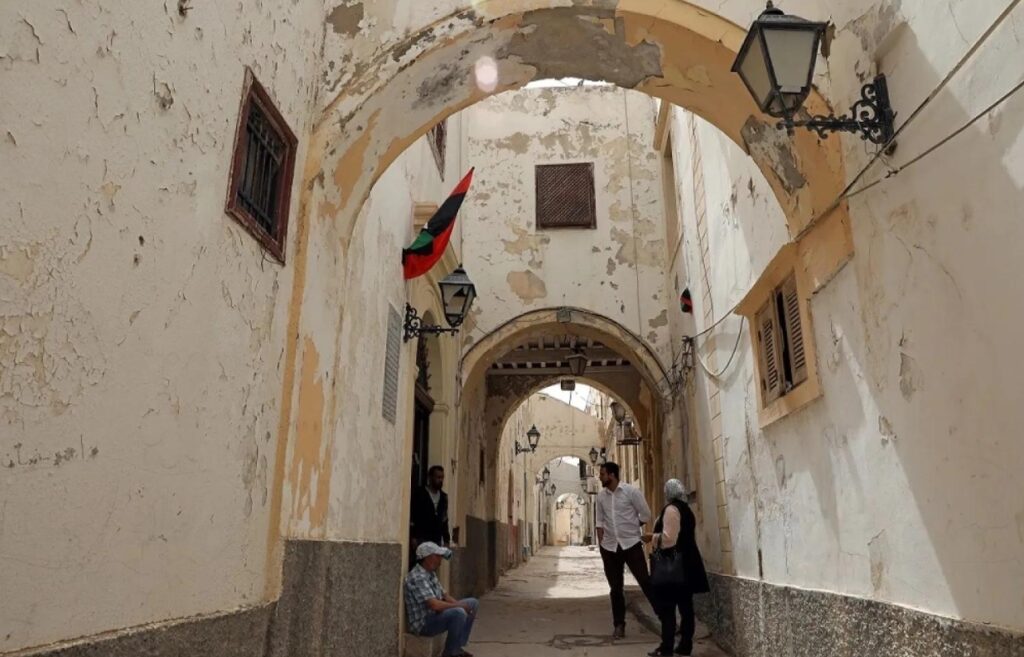
The historic Medina is the heart of Tripoli and one of the city’s greatest attractions.
Visitors can enjoy:
• Narrow alleys
• Historic gates
• Traditional houses
• Local cafés
• Artisan workshops
2. Visit the Red Castle (Assaraya Alhamra)
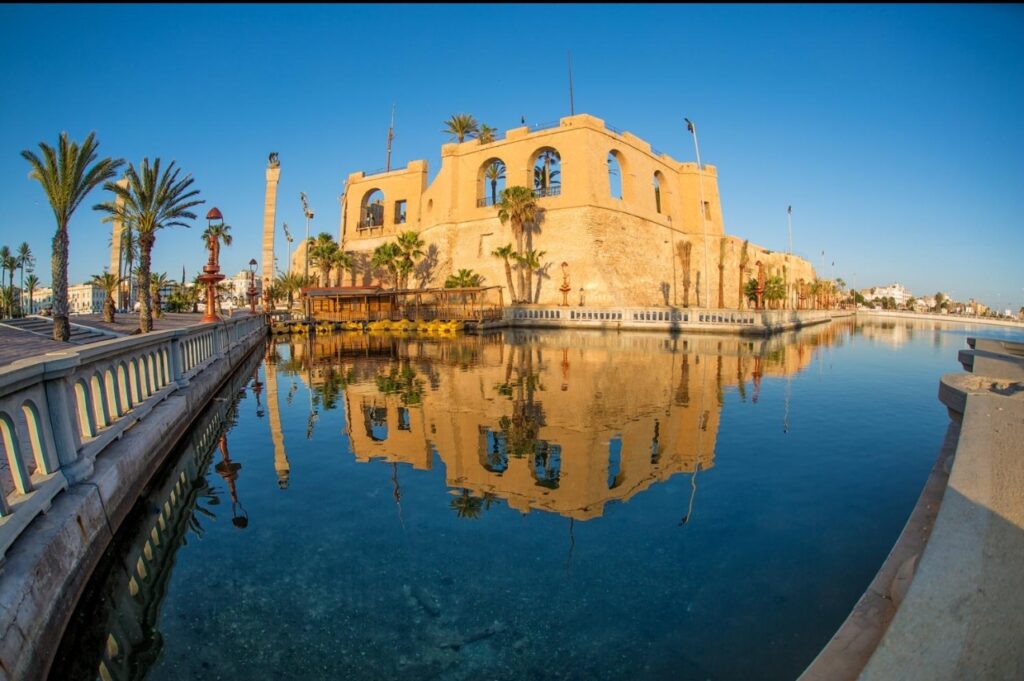
The Red Castle dominates Tripoli’s waterfront and is one of Libya’s most recognizable landmarks.
Inside you’ll discover:
• Historic courtyards
• Ancient walls
• Beautiful architecture
• Archaeological collections
3. Walk Around Martyrs’ Square
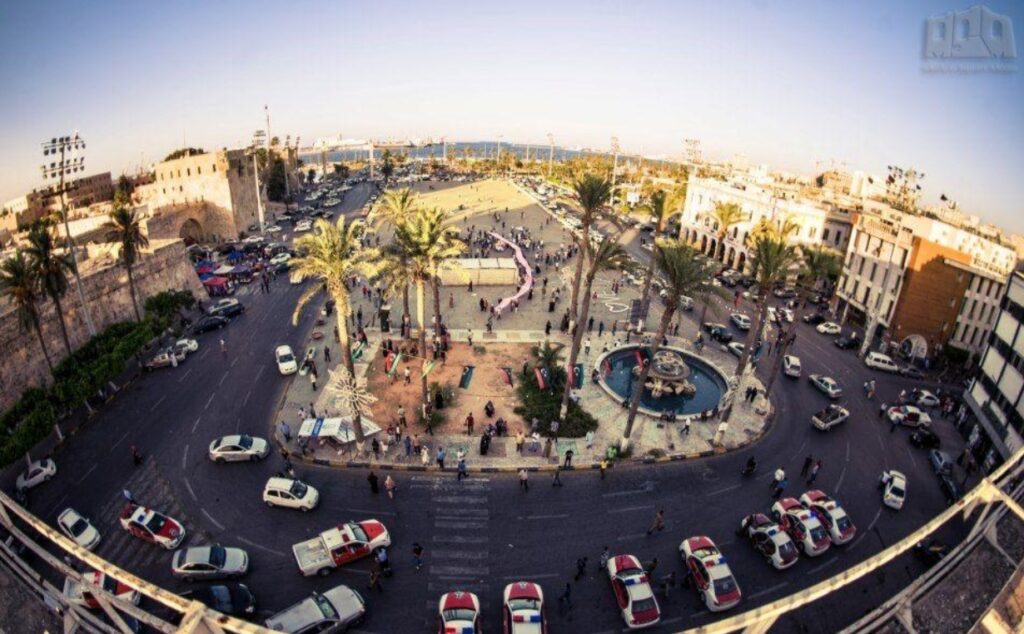
Located in the city center, Martyrs’ Square is a popular meeting place surrounded by historic buildings and cafés.
4. Discover the Tripoli Souks
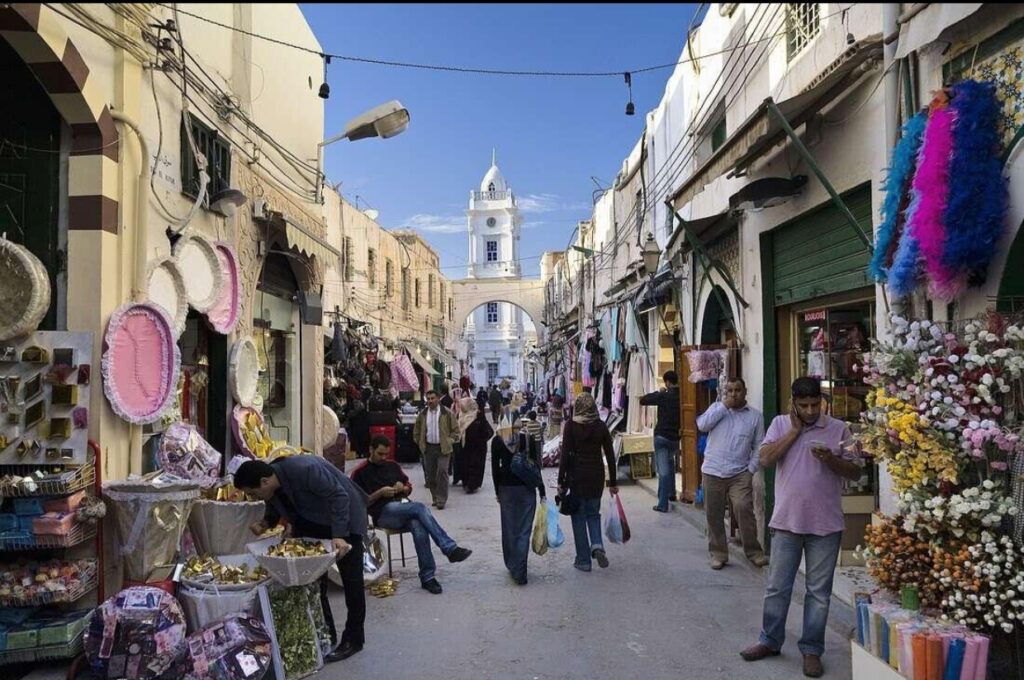
Traditional markets remain one of the best places to experience everyday Libyan life.
Popular products include:
• Handmade carpets
• Silver jewelry
• Leather goods
• Traditional clothing
• Local spices
5. Visit Gurgi Mosque
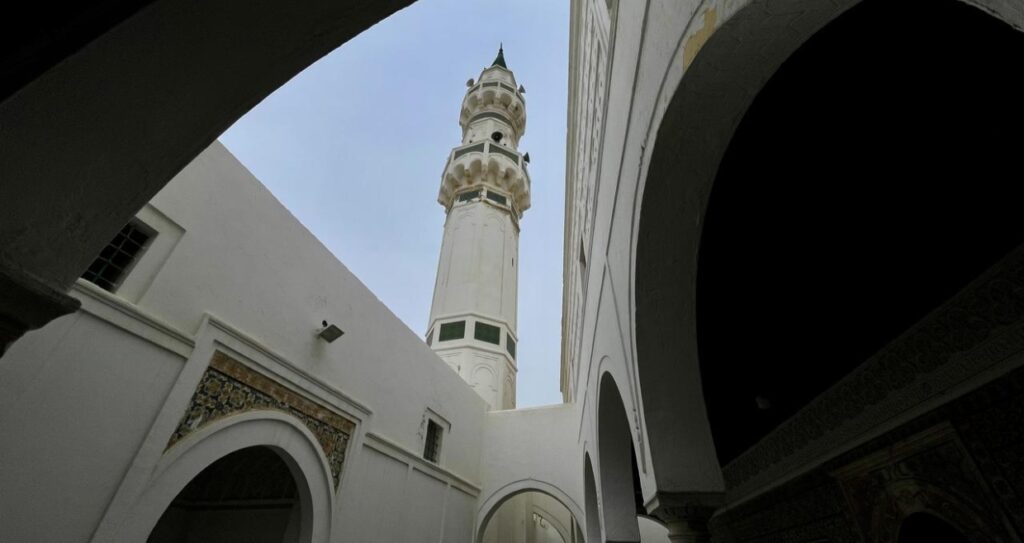
Built during the Ottoman period, Gurgi Mosque is famous for its beautiful marble decorations and elegant architecture.
6. Explore the Arch of Marcus Aurelius
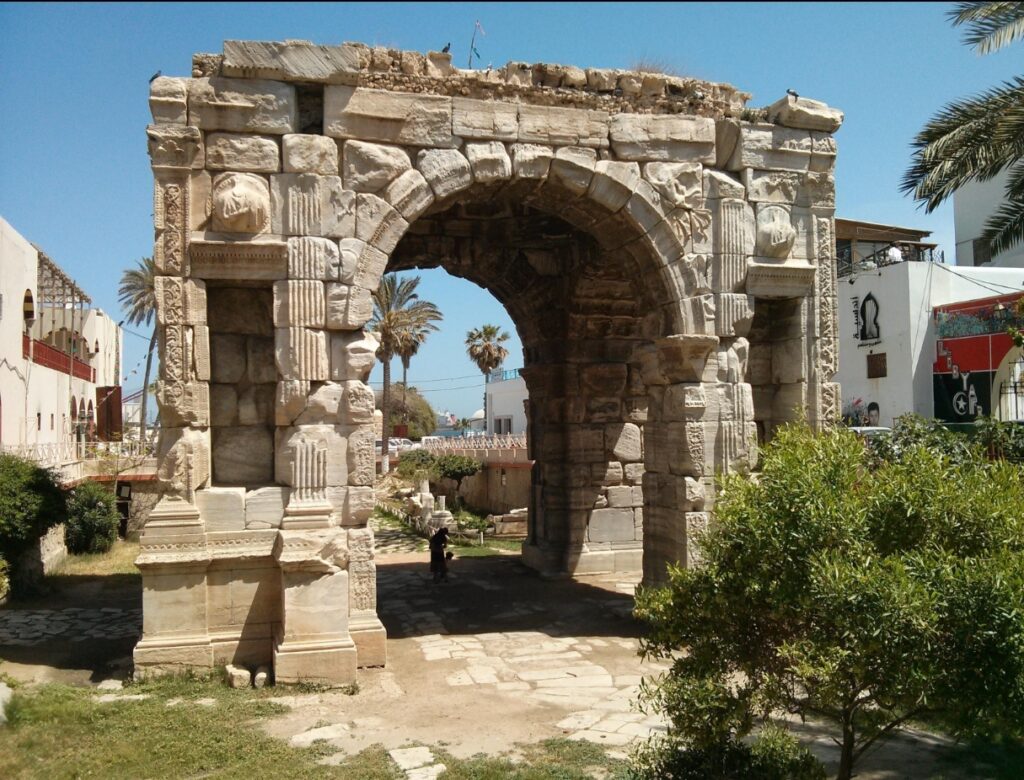
This Roman triumphal arch, dating back to the 2nd century AD, remains one of Tripoli’s most important archaeological monuments.
7. Enjoy the Mediterranean Corniche
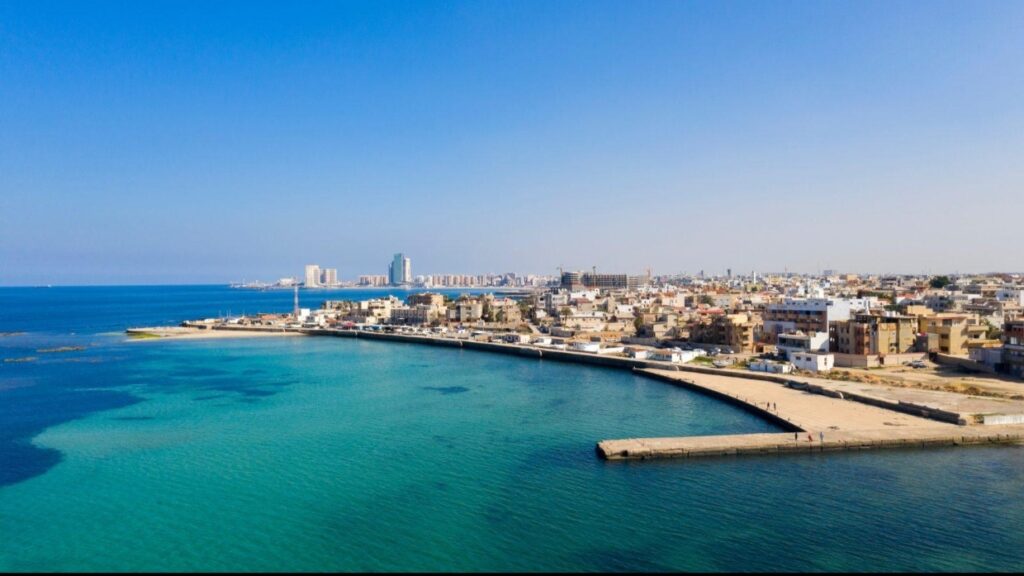
The coastal promenade offers pleasant walks with views over the Mediterranean Sea.
8. Visit the National Museum
Located inside the Red Castle complex, the museum presents thousands of years of Libyan history.
Highlights include:
• Phoenician artifacts
• Roman sculptures
• Islamic art
• Traditional costumes
9. Experience Traditional Libyan Cuisine
Tripoli offers many authentic restaurants where visitors can enjoy:
• Couscous
• Bazeen
• Shorba
• Grilled lamb
• Fresh seafood
10. Visit the Ottoman Clock Tower
One of the city’s lesser-known historical landmarks, reflecting Tripoli’s Ottoman heritage.
11. Discover Traditional Cafés
Relax with Libyan tea or Arabic coffee while watching daily life unfold in the old town.
12. Explore Historic City Gates
Several ancient gates still mark the entrances to the Medina and showcase different periods of Tripoli’s history.
13. Shop for Handmade Crafts
Tripoli is an excellent place to purchase authentic handcrafted souvenirs made by local artisans.
14. Visit Local Art Galleries
Several galleries display paintings, sculptures, and contemporary Libyan artwork.
15. Photograph the Old Streets
The Medina’s colorful doors, stone buildings, and historic architecture make it a paradise for photographers.
16. Enjoy Fresh Seafood
Being located on the Mediterranean, Tripoli offers excellent seafood restaurants serving freshly caught fish every day.
17. Visit Small Museums
Several cultural museums throughout the city help visitors better understand Libya’s rich heritage.
18. Watch Sunset by the Sea
Evening walks along the coast provide spectacular Mediterranean sunsets.
19. Learn About Libyan History
Tripoli has been ruled by Phoenicians, Romans, Byzantines, Arabs, Ottomans, Italians, and modern Libya—making it one of North Africa’s most historically layered cities.
20. Experience Local Hospitality
One of Tripoli’s greatest attractions is its welcoming people, who are often eager to share their culture and traditions with visitors.
Suggested 2-Day Itinerary
Day 1
• Medina
• Red Castle
• National Museum
• Martyrs’ Square
• Souks
Day 2
• Arch of Marcus Aurelius
• Gurgi Mosque
• Corniche
• Local restaurants
• Sunset by the Mediterranean
Travel Tips
• Dress modestly when visiting religious sites.
• Carry cash for traditional markets.
• Wear comfortable walking shoes.
• Visit attractions early to avoid midday heat.
• Always respect local customs.
Frequently Asked QuestionsIs
Tripoli worth visiting?
Yes. It offers a fascinating mix of history, culture, and Mediterranean scenery.
How many days should I spend in Tripoli?
Two to three days are enough to explore the city’s main attractions.
What is the most famous landmark?
The Red Castle (Assaraya Alhamra) is the city’s most iconic landmark.
Is Tripoli expensive?
Compared with many Mediterranean capitals, Tripoli is generally affordable.
What should I not miss?
• Medina of Tripoli
• Red Castle
• Martyrs’ Square
• Arch of Marcus Aurelius
• Traditional Souks
• Mediterranean Corniche
Conclusion
Tripoli is a city where thousands of years of history meet the beauty of the Mediterranean. From wandering through its ancient Medina and exploring the impressive Red Castle to enjoying authentic Libyan cuisine and relaxing along the Corniche, the Libyan capital offers visitors a memorable cultural experience. Whether you’re passionate about archaeology, architecture, or local traditions, Tripoli is a destination that deserves far more attention from international travelers.