
Introduction
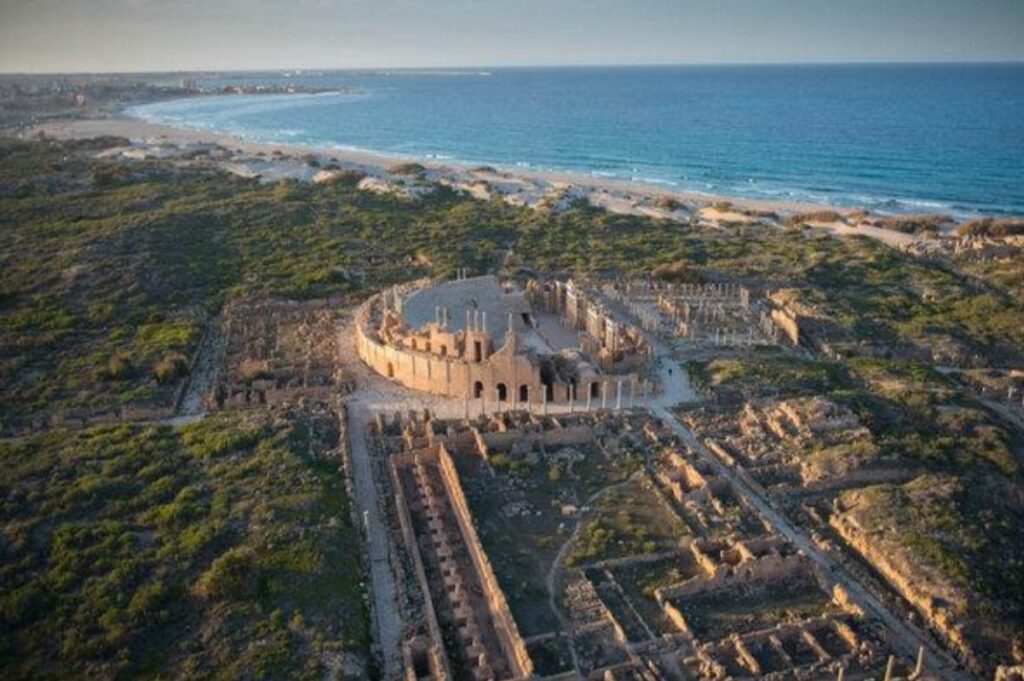
Leptis Magna is one of the most spectacular Roman archaeological sites in the world. Located on Libya’s Mediterranean coast about 130 km east of Tripoli, this UNESCO World Heritage Site offers travelers a chance to walk through remarkably preserved temples, theaters, markets, and triumphal arches that date back nearly 2,000 years.
Leptis Magna Costs 2026: Budget in LYD & USD
Leptis Magna daily budget 150 LYD ($30) budget, 350 LYD ($70) mid-range.
Guide required: 200 LYD ($40) day, permit 50 LYD ($10), car Tripoli-Leptis 150 LYD ($30) 1h, hotel Khoms 3* 200 LYD ($40), 5* 500 LYD ($100).
Entry: Leptis Magna 30 LYD ($6), museum included, Sabratha 20 LYD.
Food: Couscous Libyan 30 LYD ($6), grilled lamb 50 LYD, tea free.
Transport: Need private driver, no public bus. Tripoli-Khoms taxi shared 25 LYD.
Daily total: 150 LYD ($30) cheapest Roman city vs Rome 150 EUR. Libya cheap but logistics expensive.
Why Visit Leptis Magna?
Leptis Magna was once one of the wealthiest cities in the Roman Empire. Founded by the Phoenicians and later expanded under Roman rule, it reached its golden age during the reign of Emperor Septimius Severus, who was born there.
Today, visitors can admire one of the best-preserved Roman cities anywhere in the world without the crowds found in Italy or Greece.
Top Attractions in Leptis Magna
1. Arch of Septimius Severus
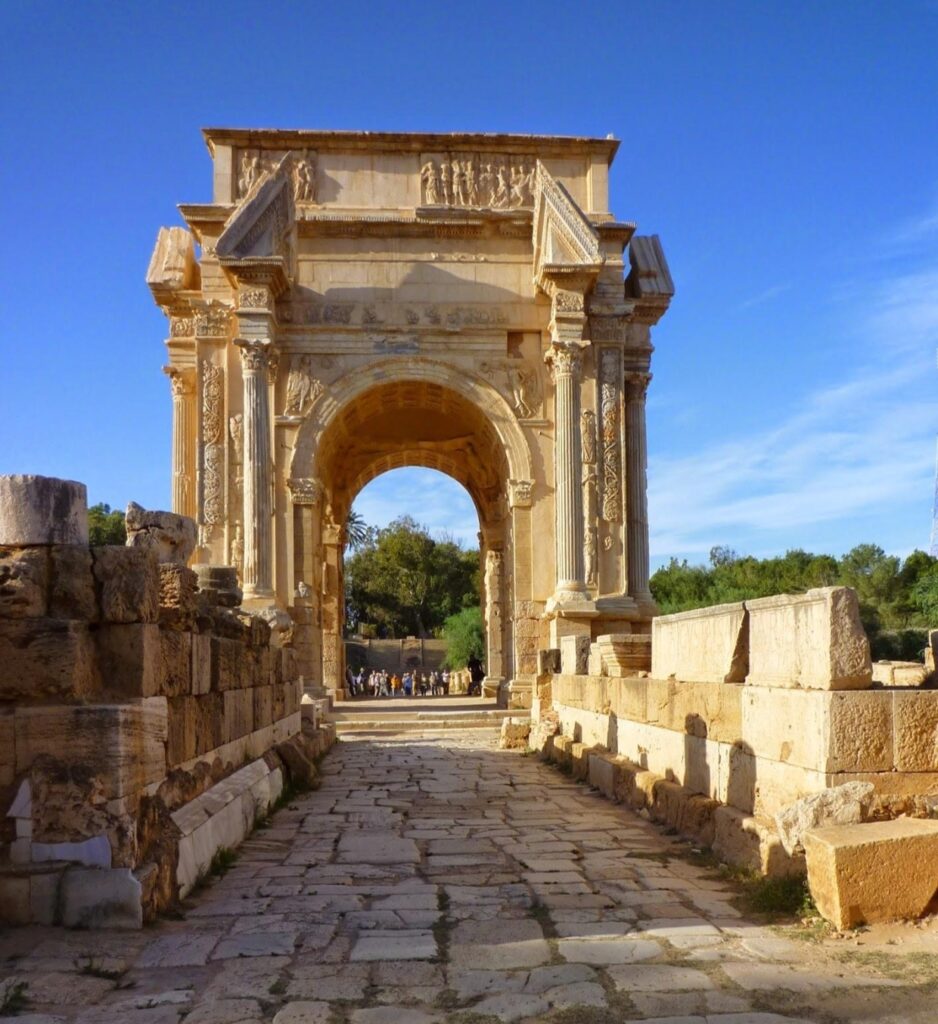
The magnificent marble arch welcomes visitors at the heart of the ancient city. Built in AD 203, it celebrates Emperor Septimius Severus and remains one of Libya’s most recognizable historical landmarks.
2. Roman Amphitheater
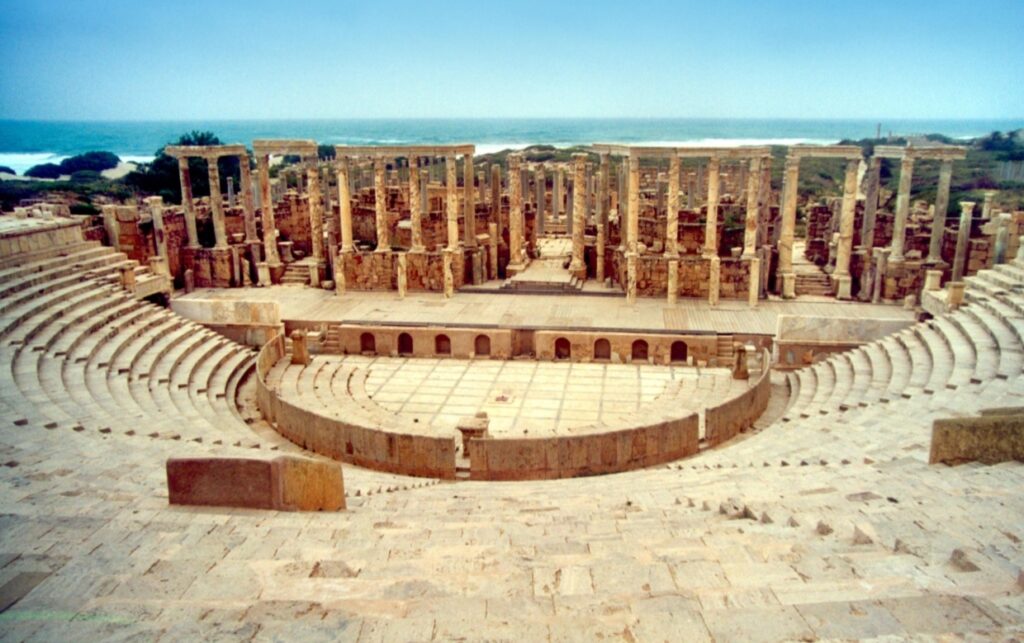
Overlooking the Mediterranean Sea, the amphitheater once hosted dramatic performances for thousands of spectators. The coastal backdrop makes it one of the most beautiful Roman theaters in North Africa.
3. Hadrianic Baths
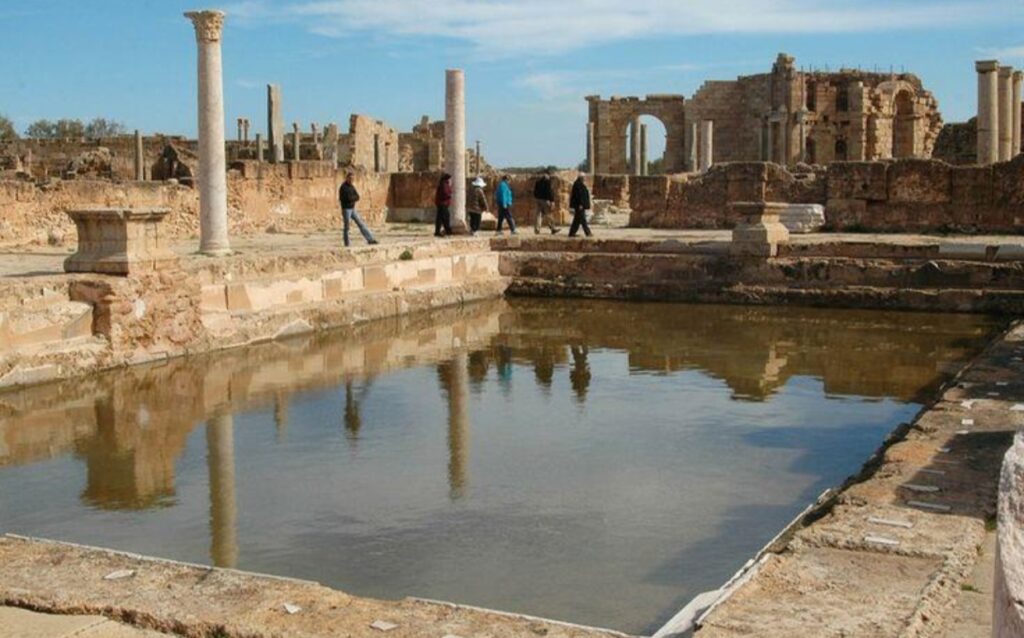
These enormous public baths showcase Roman engineering with impressive vaulted ceilings, bathing rooms, and intricate architecture.
4. The Forum
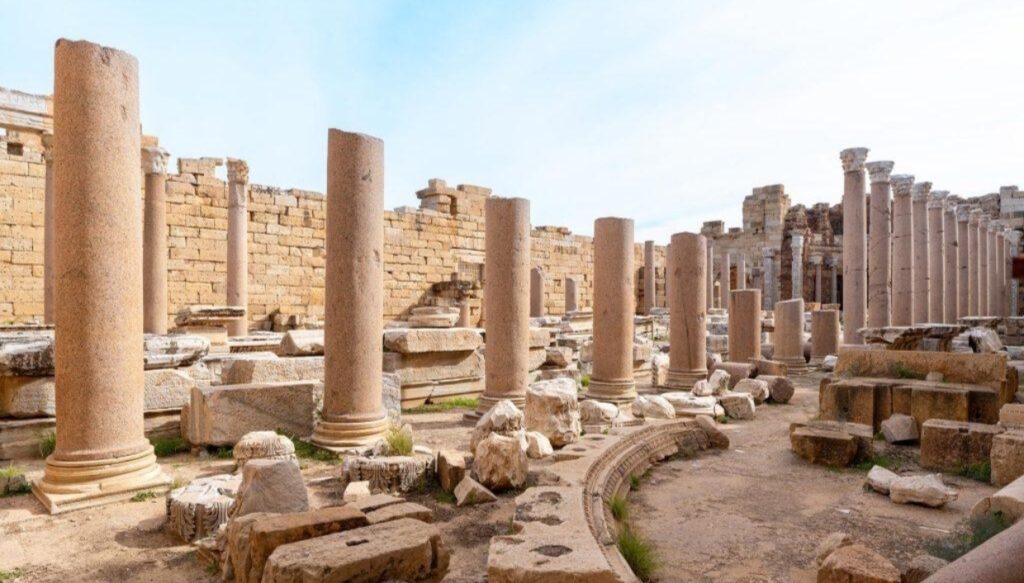
The city’s political and commercial center features grand columns, temples, and public buildings where Roman citizens gathered.
5. Market Square
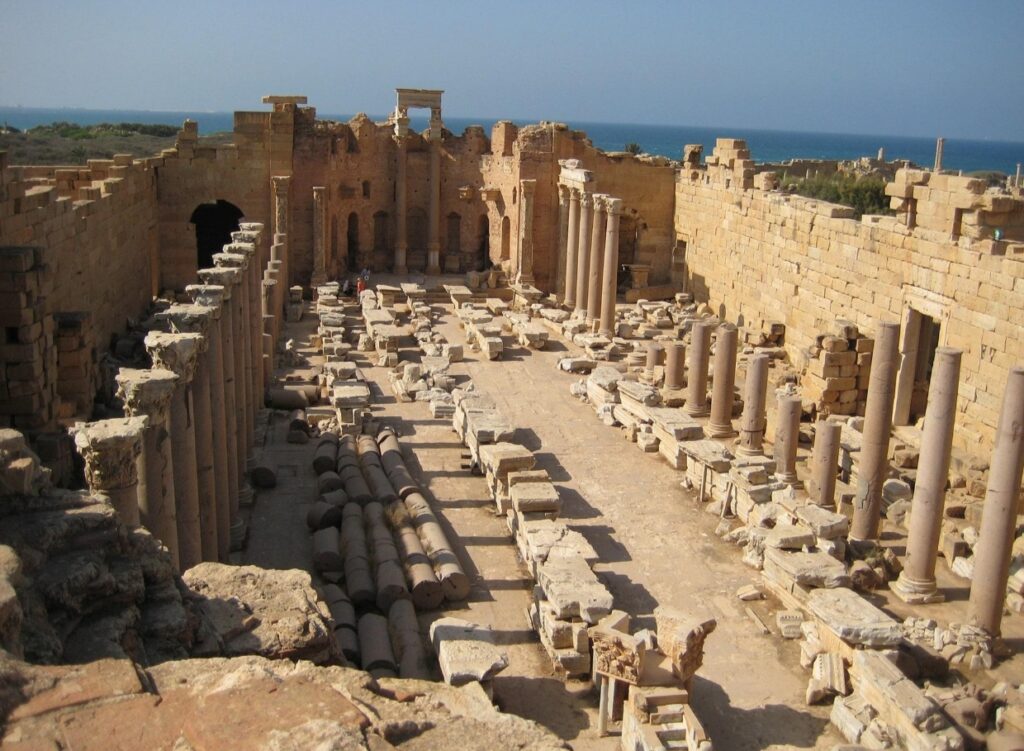
Walk through the ancient marketplace where merchants traded olive oil, spices, grain, and luxury goods arriving from across the Mediterranean.
6. Basilica Severiana
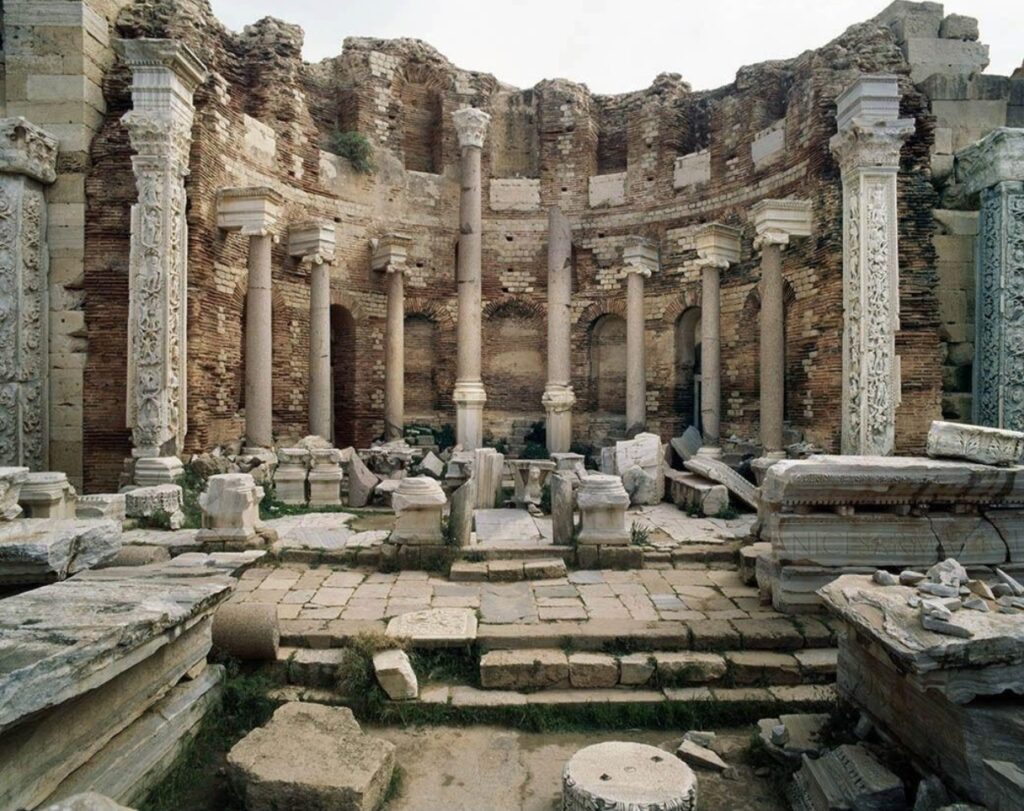
This monumental basilica displays elegant marble columns and detailed carvings that reflect the city’s prosperity.
7. Ancient Harbor
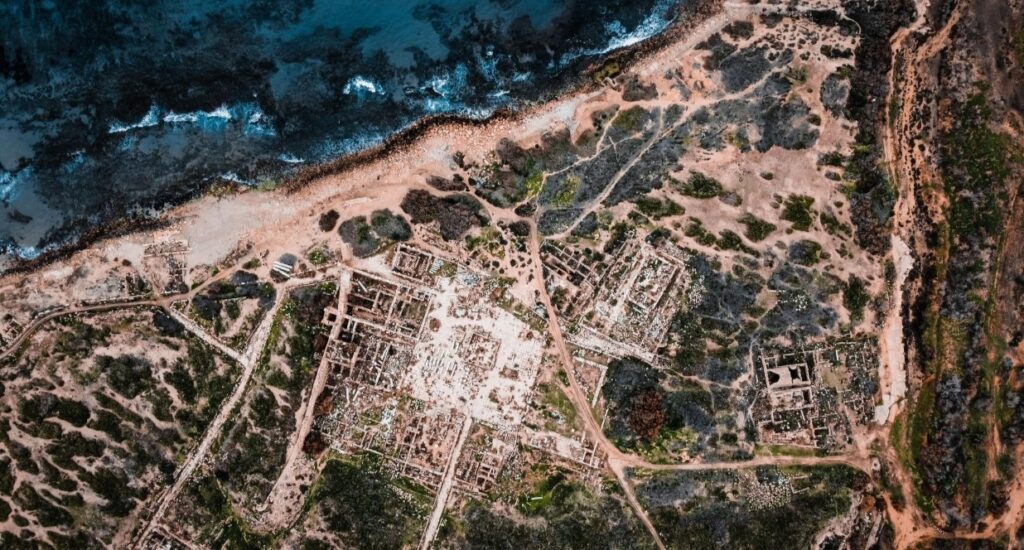
Although partially buried by sand over the centuries, the harbor reminds visitors of Leptis Magna’s importance as a major Mediterranean trading port.
How to Get to Leptis Magna & Safety 2026
From Tripoli: Car 1h 20min 120km east to Al-Khoms, driver 150-200 LYD. No bus direct. Must have guide for foreigners.
Safety 2026: Leptis Magna area safe under control, but need Libyan visa + local sponsor. Western tourists need tour operator. Check UK FCDO.
Best time: October-April 18-25°C perfect, May-September 30-40°C too hot. No shade in ruins.
How long: 1 day from Tripoli enough: 3h ruins + museum. Combine with Sabratha next day. 2 days for both Roman cities.
UNESCO site best preserved Roman city in world, bigger than Pompeii, less crowds – 10 visitors per day only.
Note: Libya tourism reopening 2025-2026, but still need special visa
How to Get There
Leptis Magna is approximately:1
• 30 km from Tripoli
• Around 2 hours by car
Most visitors join organized tours or hire private transportation.
Travel Tips
• Wear comfortable walking shoes.
• Bring water and sun protection.
• Visit early in the morning for cooler temperatures.
• Hire a local guide to better understand the site’s fascinating history.
• Carry your camera—every corner offers incredible photo opportunities.
UNESCO World Heritage Status
Leptis Magna was designated a UNESCO World Heritage Site in 1982 because of its outstanding preservation and historical significance.I
t is widely considered one of the greatest surviving Roman cities outside Italy.
Conclusion
For travelers passionate about archaeology, Roman history, and ancient civilizations, Leptis Magna is a destination unlike any other. Its impressive monuments, seaside setting, and remarkable preservation make it one of North Africa’s most extraordinary historical treasures. Despite being less famous than Pompeii or Ephesus, many historians believe Leptis Magna surpasses them in architectural preservation and grandeur.