
Introduction
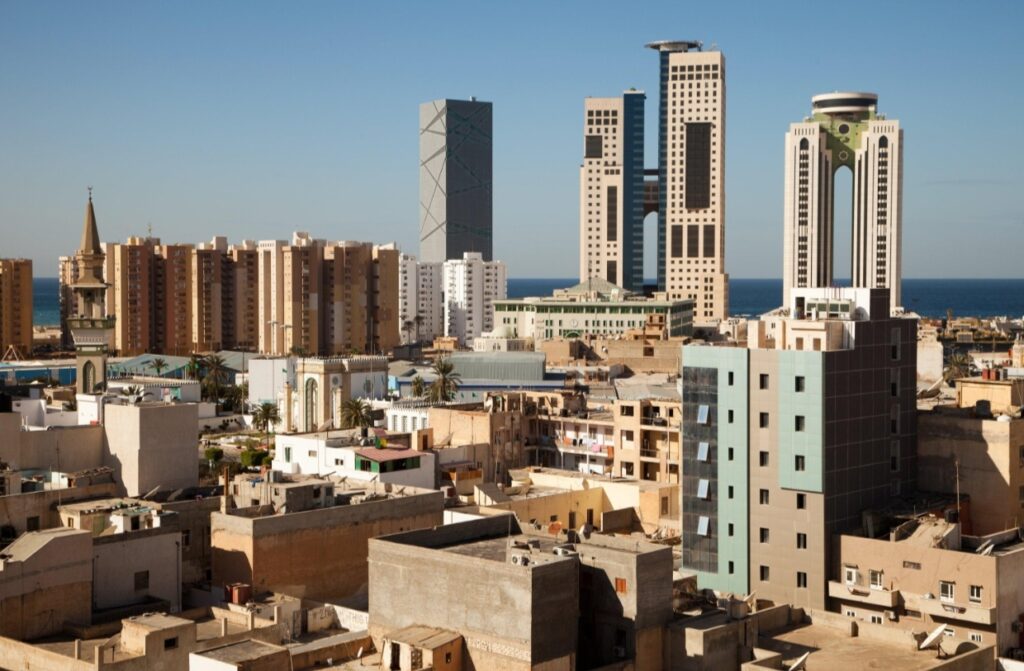
Tripoli, the capital of Libya, is one of North Africa’s oldest and most fascinating cities. Located on the Mediterranean coast, it blends centuries of history with vibrant local culture, traditional markets, and beautiful seaside views. From ancient landmarks to lively streets, Tripoli offers visitors a unique opportunity to experience Libya’s rich heritage.
Why Visit Tripoli?
Tripoli is a city where history meets modern life. Travelers can explore centuries-old architecture, bustling souks, historic mosques, museums, and scenic coastal areas while enjoying authentic Libyan hospitality.
The city is an excellent destination for history lovers, photographers, and anyone interested in discovering the hidden gems of North Africa.
History of Tripoli
Tripoli was founded by the Phoenicians in the 7th century BC and later became part of the Roman, Byzantine, Arab, Ottoman, and Italian civilizations.
Over the centuries, the city has preserved many historical monuments that reflect its diverse cultural influences, making it one of the most historically significant cities in the Mediterranean region.
Top Attractions in Tripoli
Tripoli Old City
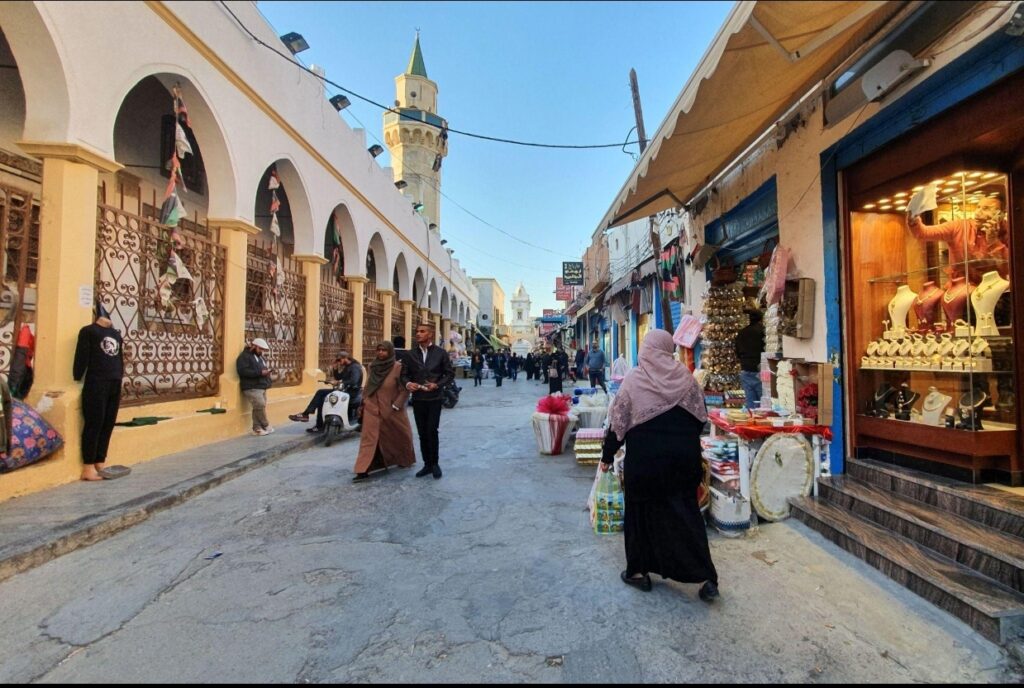
The Old City is the heart of Tripoli and one of its most charming areas. Visitors can wander through narrow streets lined with traditional houses, local cafés, artisan shops, and historic buildings.
Red Castle Museum (Assaraya Alhamra)
One of Tripoli’s most famous landmarks, the Red Castle overlooks the Mediterranean Sea and houses an impressive museum showcasing Libya’s rich history.
Martyrs’ Square
Located in the city center, Martyrs’ Square is an important cultural and historical gathering place surrounded by cafés, government buildings, and local attractions.
Arch of Marcus Aurelius
This remarkably preserved Roman monument dates back to the 2nd century AD and is one of the city’s most important archaeological landmarks.
Tripoli Corniche
The waterfront promenade offers beautiful Mediterranean views, making it a perfect place for relaxing walks, photography, and enjoying the sea breeze.
Local Culture
Local Culture
Cultural traditions remain an important part of daily life, especially during religious festivals and family celebrations.
Traditional Markets (Souks)
The traditional souks are among the city’s highlights. Visitors can shop for:
• Handmade carpets
• Traditional clothing
• Jewelry
• Spices
• Perfumes
• Leather goods
• Handcrafted souvenirs
These markets provide an authentic glimpse into Libyan daily life.
Libyan Cuisine
Tripoli is an excellent place to enjoy authentic Libyan dishes such as:
• Couscous
• Bazin
• Shorba
• Grilled seafood
• Stuffed pastries
• Traditional mint tea
Many local restaurants serve homemade recipes passed down through generations.
Best Time to Visit
The ideal time to visit Tripoli is:
• Spring (March–May)
• Autumn (September–November)
During these seasons, temperatures are pleasant and perfect for sightseeing.
Travel Tips
• Wear comfortable shoes for exploring the Old City.
• Respect local customs and dress modestly when visiting religious sites.
• Carry cash for shopping in traditional markets.
• Visit historical attractions early in the morning to avoid crowds.
Is Tripoli Safe in 2026?
Tripoli is safer for tourists with guided tours in 2026 vs 2020, but still needs precautions:
- Use licensed guide ($40-60/day) mandatory outside Old City
- Stay in Old City / Martyrs Square area, avoid outskirts after 8 PM
- Check gov travel advisory, need security clearance with visa
- 4×4 driver for day trips required
Tripoli Costs 2026 – How Much Per Day?
- Hotel 3: $50-70/night, 4: $90-120
- Guide: $40-60/day (mandatory)
- Red Castle Museum: $5 (30 LYD)
- Arch of Marcus Aurelius: FREE
- Meal couscous/bazin: $5-8, Seafood: $12-15
- Taxi inside city: $3-5, Airport to center: $15-20
- Daily total: $50-80 budget, $120-150 with guide + private car
How to Get to Tripoli + Visa 2026
- Visa: $80-120 e-visa, needs LOI + security clearance 2-4 weeks via agency
- Flights: Tunis-Tripoli $180-250 (Tunisair), Istanbul-Tripoli $300-400, Cairo $200
- Airport: Mitiga (MJI) 8km from center, taxi $15
- No ATM for foreign cards – bring USD cash
FAQ – Tripoli Libya 2026
Is Tripoli safe for tourists 2026?
Safer with licensed guide and in Old City/Martyrs Square daytime. Need security clearance, avoid outskirts night, check travel advisory.
How much does Tripoli cost per day?
$50-80 without guide, $120-150 with guide+car. Hotel $50-70, museum $5, meals $5-15.
Do I need visa for Tripoli Libya?
Yes $80-120, needs LOI + security clearance via agency 2-4 weeks. Guide often required.
Conclusion
Tripoli is a city rich in history, culture, and Mediterranean beauty. Whether you are exploring its ancient monuments, enjoying traditional Libyan cuisine, or wandering through its lively markets, the city offers an unforgettable travel experience